
Randy Savage (Randall Mario Poffo)
American professional wrestler known as 'Macho Man' Randy Savage; flamboyant performer, top star in WWF and WCW, famed for promos, the flying elbow and high-profile feuds. Died 2011; inducted into WWE Hall of Fame in 2015.
Overview
Randy "Macho Man" Savage (born Randall Mario Poffo, November 15, 1952 – May 20, 2011) was an American professional wrestler and pop-culture figure. Over a career that rose to prominence in the 1980s and continued into the 1990s and 2000s, he became one of the most recognizable performers in the business, known for an intense in-ring style, theatrical entrances, colorful robes and a gravelly, passionate speaking voice. He worked for major promotions including the WWF, WCW and later appeared for other organizations.
Image gallery
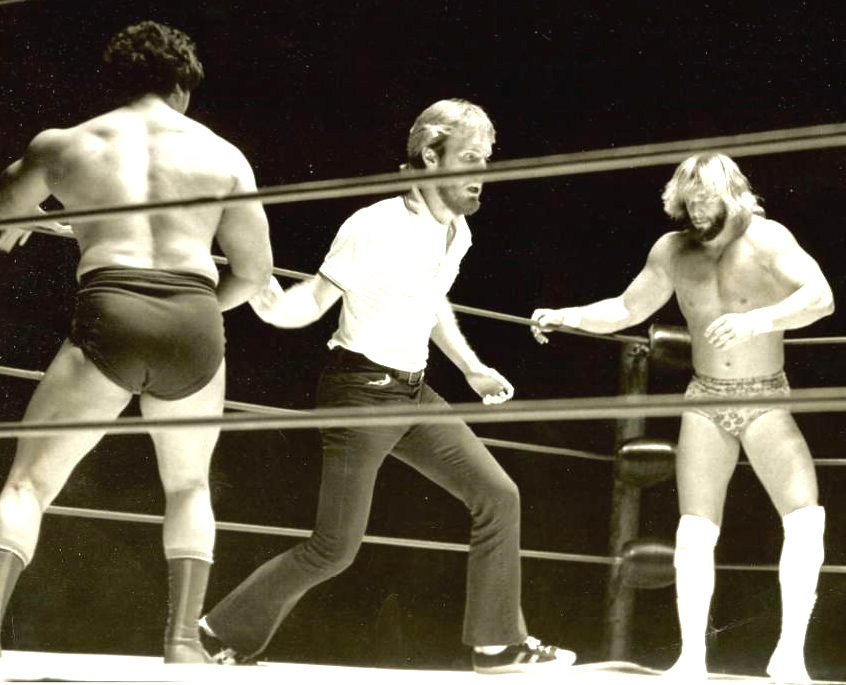
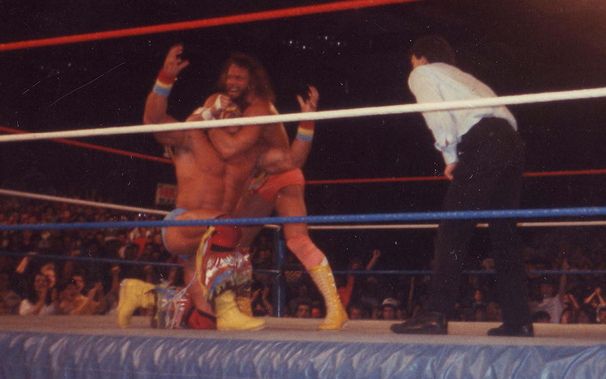
9 Images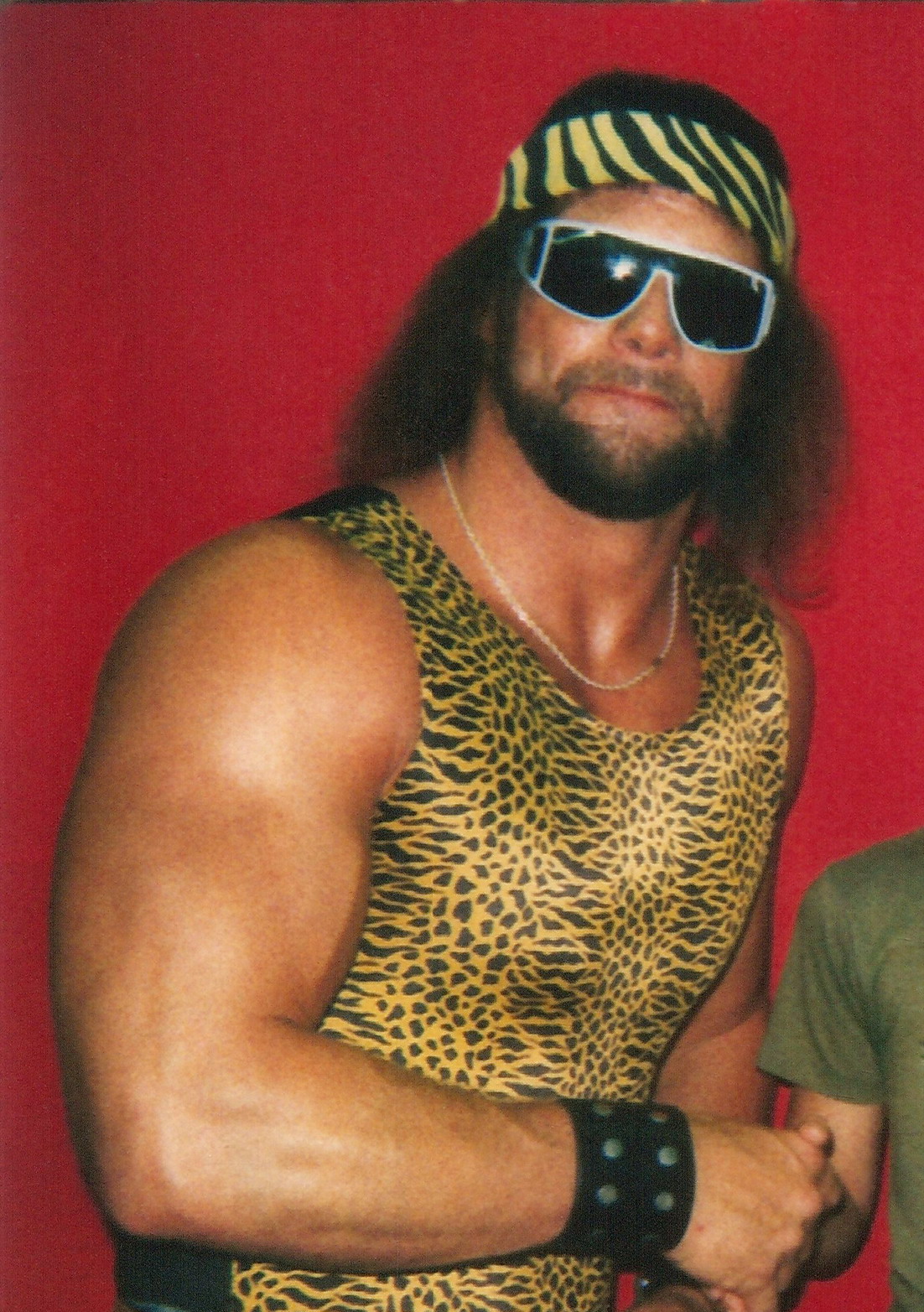




Early life and career development
Born into a wrestling family, Savage was the son of wrestler Angelo Poffo and the brother of Lanny Poffo. He began training and competing in the 1970s, developing a persona built on charisma and athleticism. By the mid-1980s he had adopted the "Macho Man" identity that combined flamboyant costumes, elaborate entrances and memorable catchphrases. His rise coincided with professional wrestling's surge in mainstream popularity.
In-ring style and character
Savage blended high-impact moves with aerial offense uncommon for larger stars of his era. His theatrical presentation included sequined robes, distinctive sunglasses and dynamic video entrance packages. He was a gifted promo cutter, delivering intense, emotion-filled interviews that helped create dramatic storylines and feuds. Fans often recall his signature shout and the line "Oooh yeah!" as hallmarks of his character.
Signature elements and notable matches
- Signature move: the top-rope flying elbow (often used as a finishing maneuver).
- Other repertoire: diving attacks, suplexes and strong striking—performed with a mix of speed and showmanship.
- Key rivalries and matches: his WrestleMania-era series of encounters and long-running programs with other marquee stars of the period cemented his reputation; one of his most widely praised ring outings is the long, dramatic match against Ricky Steamboat, which is frequently cited as a classic example of in-ring storytelling.
Alliances, managers and storylines
Savage was paired for many years with a manager and on-screen partner widely known as Miss Elizabeth, whose involvement added emotional stakes to several storylines. He also formed and later dissolved alliances with major names of the era, including a high-profile on-screen relationship and later conflict with Hulk Hogan that produced headline matches and major pay-per-view moments.
Outside the ring and personal life
Beyond wrestling, Savage dabbled in other media: recording music, appearing in commercials and making guest appearances in television and advertising. He released a rap-influenced record that included songs directed at contemporaries and tributes to peers, demonstrating his interest in crossing into popular culture. He was married to Miss Elizabeth for a time, and his family ties to the sport were often part of his public story. His brother Lanny also worked in the industry and later represented Randy at public events.
Death, legacy and honors
Randy Savage died on May 20, 2011 after suffering a sudden medical event while driving, which caused a fatal car crash in Seminole, Florida. His passing prompted widespread tributes from fans and colleagues. In recognition of his career and influence on the industry, he was posthumously inducted into the WWE Hall of Fame in 2015; the induction was presented by a longtime associate, Hulk Hogan, with family representation by Lanny Poffo.
Notable facts and distinctions
- Savage is remembered for elevating dramatic character work within televised wrestling and helping popularize longer-form, story-driven matches.
- His match quality and presentation influenced later generations of performers who combined athleticism with strong character work.
- He recorded and released music and participated in mainstream advertising, reflecting wrestling's growing crossover appeal during his era.
Randy Savage remains a widely cited figure in professional wrestling history: celebrated for his intensity, in-ring creativity and the vivid persona that made him a household name among fans of multiple generations. References to his career, signature look and memorable matches continue to appear in retrospectives and discussions of wrestling's boom years.
Curt Hennig is one of several peers mentioned in period recordings and tributes tied to Savage's extracurricular projects.
Author
AlegsaOnline.com Randy Savage (Randall Mario Poffo) Leandro Alegsa
URL: https://en.alegsaonline.com/art/129254