
Wular Lake — Major freshwater lake in Jammu and Kashmir
Wular Lake is one of Asia's largest freshwater lakes, located between Sopore and Bandipore in Jammu and Kashmir. Fed by the Jhelum River, it varies seasonally and supports fisheries, birds and flood control.
Wular Lake (also spelt Wullar) is a large freshwater body in the Kashmir Valley of Jammu and Kashmir, situated between the towns of Sopore and Bandipore. Recognised for its seasonal breadth and shallow, marshy margins, the lake plays a central role in the region's hydrology, ecology and local livelihoods.
Image gallery
7 Images
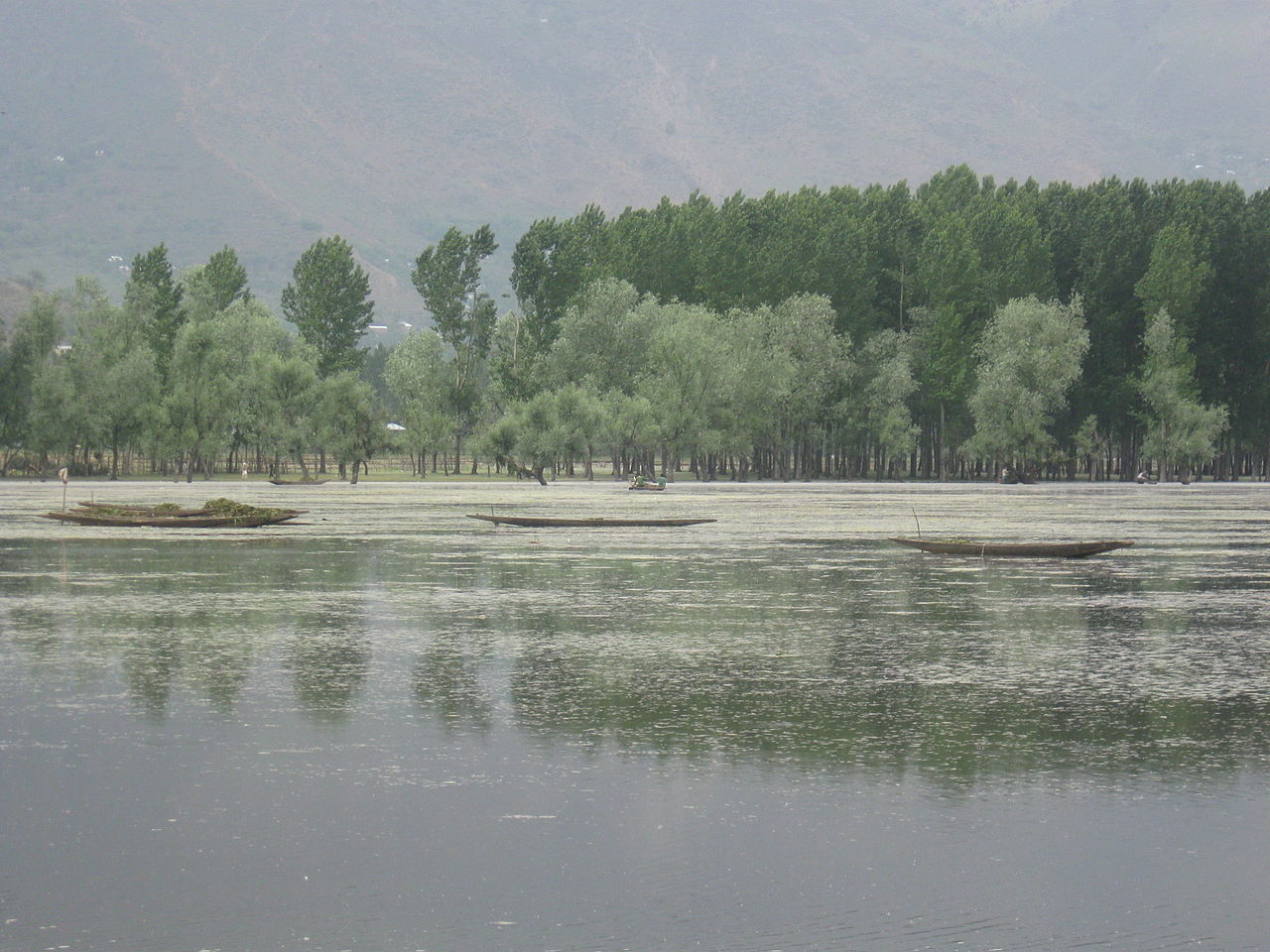
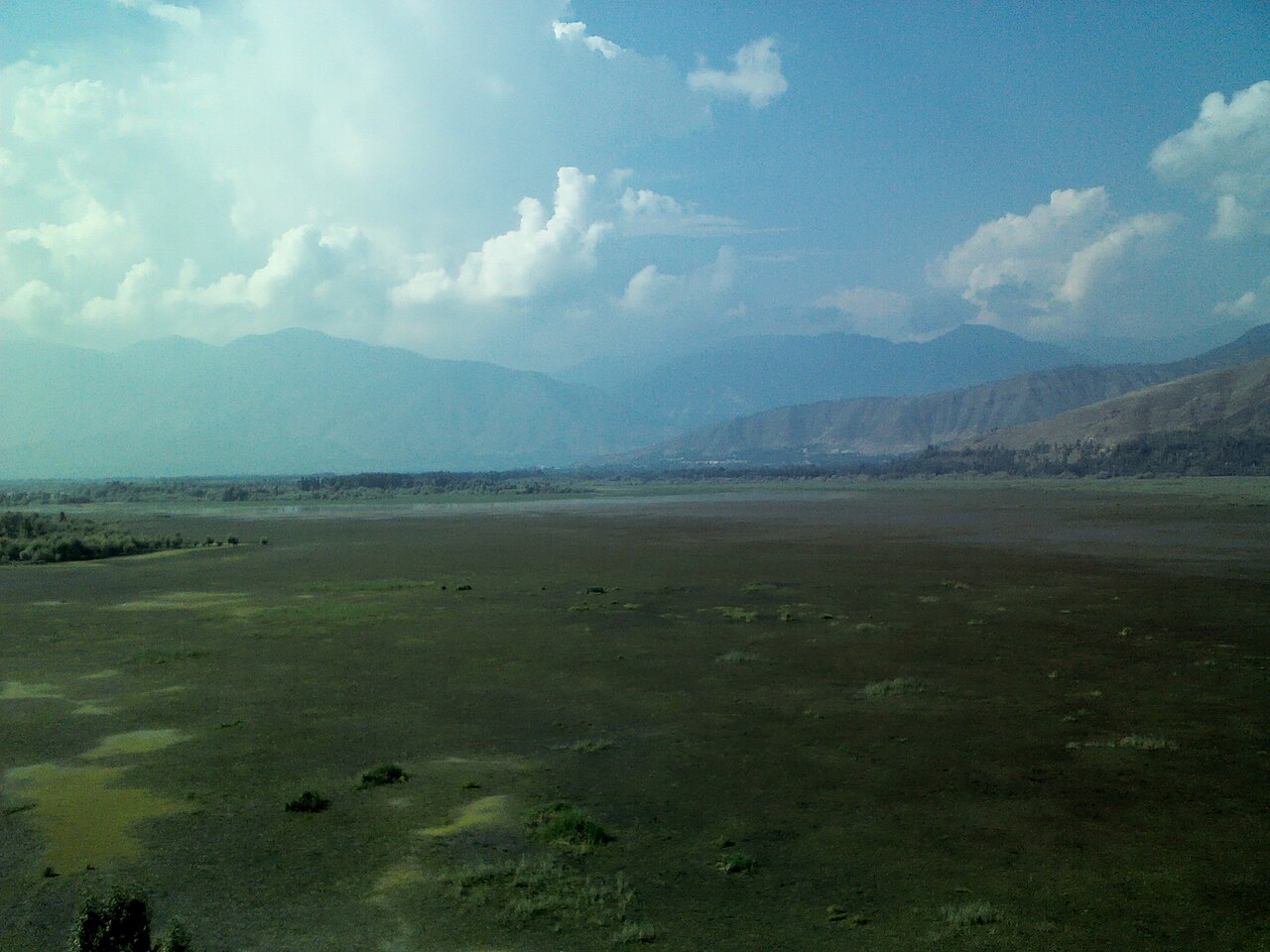


Characteristics
The lake is fed primarily by the Jhelum River and functions as a natural flood reservoir for the valley. Its area changes markedly with seasonal flows and rainfall: estimates commonly cited place the range roughly between 31 and 259 km2 (about 12 to 100 square miles). The waterbody includes open-water expanses, reed beds and adjoining wetlands that support fish, aquatic plants and many migrant and resident waterbirds.
Origin and development
Wular Lake is believed to have formed through subsidence associated with local geological activity rather than by human construction. Geomorphological forces created a basin that collects river inflows and seasonal runoff. Over centuries the lake’s margins and internal channels have shifted in response to sedimentation, human use and river dynamics. For more on the geological context see tectonic activity.
Uses and importance
- Hydrological: the lake moderates floods by absorbing high flows from the river system.
- Economic: local fisheries and reed-based crafts provide livelihoods for surrounding communities.
- Ecological: the wetland habitats support waterfowl, fish and amphibians and act as an important stopover for migratory species.
- Recreational and cultural: the lake is valued for birdwatching, boating and local cultural ties to the water landscape.
Management, projects and threats
Human interventions and proposals—among them navigation and flow-regulation works often referred to collectively as the Tulbul Project—aim to manage water levels and navigation at the lake's outflow. At the same time Wular faces pressures common to large inland wetlands: progressive siltation, encroachment of agriculture and settlements, pollution from runoff, and loss of wetland vegetation. These trends reduce water storage capacity, alter habitats and complicate fisheries and flood management.
Conservation efforts and outlook
Conservation responses are focused on reducing sediment inflow, protecting shoreline wetlands, restoring reed beds and supporting sustainable livelihoods for fishers and reed-harvesters. Successful management requires balancing flood control, local economic needs and biodiversity protection. Because the lake’s area and condition change seasonally and over years, continued monitoring and adaptive approaches are important to maintain Wular's role in the valley landscape.
Related articles
Author
AlegsaOnline.com Wular Lake — Major freshwater lake in Jammu and Kashmir Leandro Alegsa
URL: https://en.alegsaonline.com/art/109269
Sources
- commons.wikimedia.org : Wular Lake
- moef.nic.in : "Slide 1"
- rsis.ramsar.org : "Wular Lake"
- sameerbhat.blogspot.com : "How to kill a lake"