
Wuyi Mountains
A forested mountain range on the Fujian–Jiangxi border in southeastern China, the Wuyi Mountains are a UNESCO World Heritage site known for biodiversity, tea culture and dramatic river gorges.
The Wuyi Mountains (Wuyishan) rise along the northern edge of Fujian province where it meets Jiangxi province in southeastern China. A compact protected area within the range is often cited in travel and conservation literature; the region is best known for its steep ridges, winding rivers and forested valleys. The area combines striking scenery with long human use, and it is recognized by UNESCO for both its natural and cultural significance. Wuyi protected area and its surroundings form a distinct landscape that has been managed for conservation and tourism.
Image gallery
8 Images


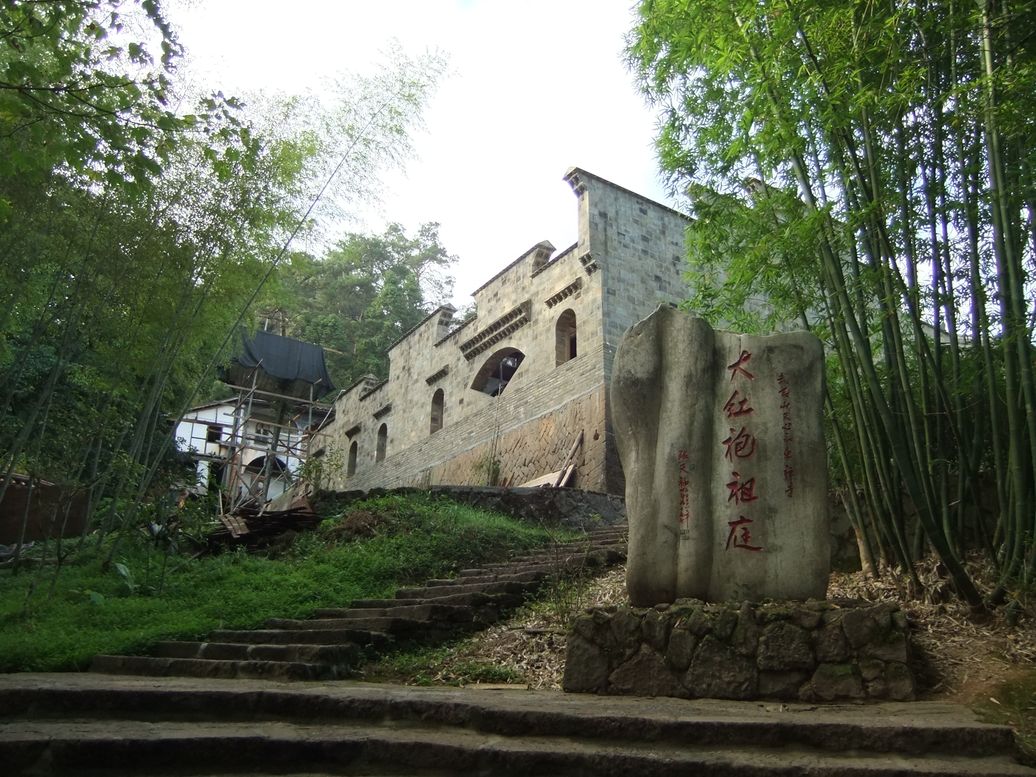
Geography and principal features
The mountains form a discontinuous chain of peaks, cliffs and terraces carved by rivers and streams. Key physical traits include sheer rock faces, deep gorges, karst-like outcrops in places, and a network of tributaries that feed larger rivers. Rivers that wind through the range create scenic meanders and slow-flowing stretches where bamboo rafts are used for sightseeing.
Ecology and biodiversity
Wuyi hosts subtropical evergreen broadleaf forests and a range of habitats across elevation gradients. The area supports a rich variety of plant and animal life, including many species of trees, ferns and orchids, and a number of regionally important or relict species. Conservation initiatives focus on protecting habitat, limiting unsustainable development and maintaining corridors for wildlife.
History, culture and tea
Human presence in Wuyi dates back millennia. The mountains have long been a center for religious practice (Buddhist and Daoist sites), as well as for scholarship and retreat. A defining cultural product of the region is cliff-grown teas — most famously Da Hong Pao — which are tied to local ritual, agriculture and identity. The landscape contains archaeological remains, temples and traditional villages reflecting a layered cultural history.
Uses, tourism and conservation
Visitors come for hiking, river excursions, tea tasting and to see historic temples and viewing platforms. Management balances tourism with protection through zoning, interpretation and research programs. Challenges include controlling visitor pressure, maintaining water quality and supporting sustainable livelihoods for local communities. The mountains lie along the northern border between Fujian and Jiangxi provinces and are often approached from either side. Border region access
Notable facts and distinctions
- Recognized for both natural landscapes and cultural heritage, the Wuyi Mountains are a model of integrated conservation.
- The area’s rivers and cliffs create one of the most photographed and visited scenic systems in southeastern China.
- Local tea varieties and traditional cultivation methods contribute to the region’s global cultural footprint.
Today the Wuyi Mountains remain important for biodiversity conservation, cultural continuity and sustainable tourism, attracting researchers, pilgrims, tea enthusiasts and nature lovers who come to explore its slopes and rivers.
Related articles
Author
AlegsaOnline.com Wuyi Mountains Leandro Alegsa
URL: https://en.alegsaonline.com/art/109291