
Wu Tianming — Chinese film director and producer
Wu Tianming (1939–2014) was a leading Chinese film director and producer, a key figure of the Fourth Generation who promoted artistic innovation and helped launch younger filmmakers from Xi'an Film Studio.
Overview
Wu Tianming was a prominent Chinese film director and producer born in Sanyuan County, Shaanxi province. He emerged after the Cultural Revolution as a central figure of the so-called Fourth Generation of Chinese filmmakers. His career combined creative filmmaking with institutional leadership: he made films that explored ordinary lives and also used his managerial positions to support new talent.
Image gallery
1 Image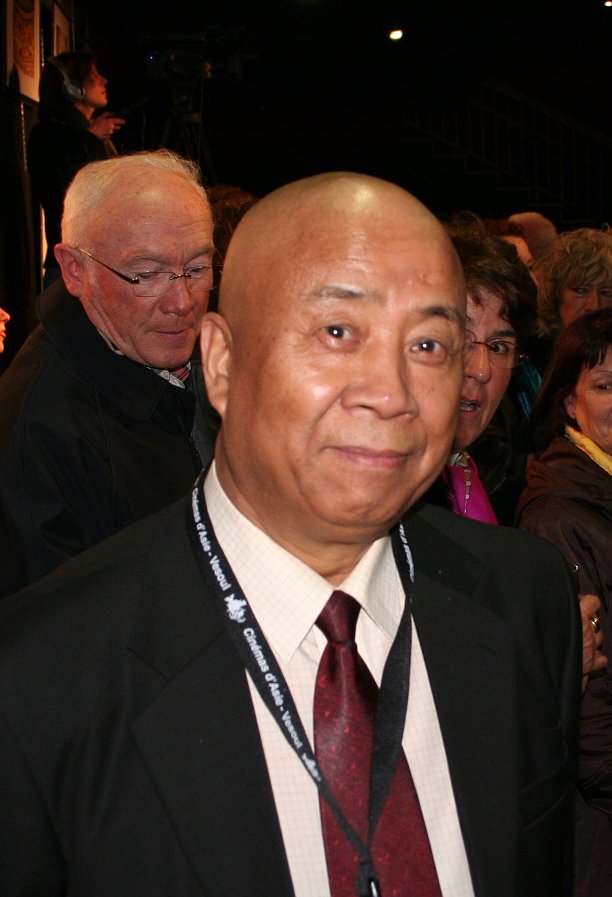
Career and leadership
In the 1980s Wu took on administrative responsibilities at the regional studio based in Xi'an and became known for creating opportunities for a new wave of filmmakers. As head of the studio he argued for greater artistic freedom and helped younger directors gain access to production resources. His tenure is often cited as an important bridge between established practices and the more experimental work that followed.
Artistic themes and style
Wu's films are noted for their humanist emphasis: attention to daily struggles, moral complexity, and an interest in rural or small‑town life. Rather than spectacle, his work favored restrained performances, carefully observed details, and narratives that foreground ordinary characters facing social or personal change. These qualities helped his films resonate with audiences at home and with international festival programmers.
Notable works and legacy
Among his best known films are works that received attention beyond China for their storytelling and emotional clarity. He is also remembered for championing younger practitioners who later became internationally recognized. Wu's dual role as an artist and studio executive meant his influence extended beyond his own filmography into the direction of Chinese cinema in the 1980s and 1990s.
Distinctive facts and influence
- He is frequently associated with the Fourth Generation of Chinese directors, a group defined by their formative experience around the Cultural Revolution and their careers in the late 1970s–1980s.
- Wu combined creative work with studio leadership, making him an important mentor and gatekeeper for new filmmakers emerging from regional studios.
- His films and decisions as an executive contributed to the international visibility of Chinese cinema in the late 20th century.
Death and remembrance
Wu Tianming died of a heart attack on 4 March 2014 at the age of 74. His passing was noted in Chinese and international press and prompted reflections on his role both as a director and as a supporter of younger generations of filmmakers. For further reading on his life and films see regional film histories and retrospectives from institutions associated with Xi'an and Shaanxi cultural life: studio history, Shaanxi cultural sources, and contemporary obituaries and memorials noting his death.
Related articles
Author
AlegsaOnline.com Wu Tianming — Chinese film director and producer Leandro Alegsa
URL: https://en.alegsaonline.com/art/109261
Sources
- culture.ifeng.com : "著名导演吴天明因心肌梗塞去世 享年75岁"