
Bertha Calloway: Omaha historian and community activist
Bertha Calloway (1925–2017) was an influential Omaha community activist, historian and museum founder who preserved and promoted the history of African Americans in the Great Plains.
Bertha Calloway was an American community activist, historian and cultural organizer whose work centered on preserving and promoting African American history in the Great Plains. Born in Omaha, Nebraska in 1925, Calloway combined local activism with historical work to create institutions and programs that recorded and honored the experiences of Black people in the region.
Image gallery
1 Image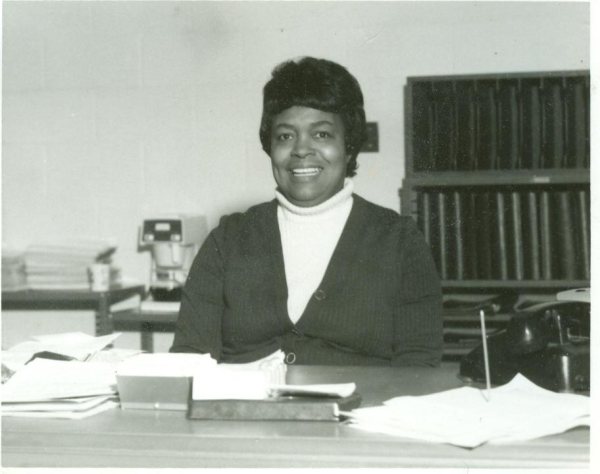
Work and institutions
Calloway founded the Negro History Society and later established the Great Plains Black History Museum. These organizations were created to collect artifacts, documents and oral histories that mainstream institutions had often overlooked. The museum served as a repository for photographs, personal papers, and community records and provided a public venue for exhibitions, lectures and educational programs aimed at students and general audiences.
Approach and activities
Her approach combined scholarship, community organizing and public history. Calloway organized exhibits, public talks and walking tours that connected people to local sites of African American heritage. She worked with volunteers, researchers and donors to build collections and to sustain programming that emphasized local stories within the larger national context of civil rights and migration.
Impact and recognition
Calloway’s efforts helped ensure that regional Black history received greater visibility and preservation. Over decades she received recognition from civic groups, cultural organizations and historians for her community stewardship and educational outreach. Her activities strengthened local cultural institutions and inspired similar preservation efforts elsewhere.
Legacy and remembrance
Bertha Calloway is remembered both for founding institutions and for mentoring community members in the work of historical preservation. Her archives and the museum’s collections continue to be used by researchers, teachers and community members interested in the African American experience on the Great Plains. She died in Omaha on November 25, 2017 from pneumonia, leaving a legacy of sustained public history work and community-based cultural preservation.
Notable aspects
- Founder of local historical organizations focused on Black history.
- Combined grassroots activism with public history practices.
- Created educational programs and exhibits to broaden public understanding.
- Left archival collections that support ongoing research and teaching.
Her life illustrates how community-driven preservation can change how regional histories are recorded and taught, ensuring that previously marginalized stories are preserved for future generations.
Tags
Related articles
Author
AlegsaOnline.com Bertha Calloway: Omaha historian and community activist Leandro Alegsa
URL: https://en.alegsaonline.com/art/10912
Sources
- omahablackmusic.com : "Bertha Calloway"
- omaha.com : Bertha Calloway, founder of Great Plains Black History Museum, dies at 93