
Works Progress Administration (WPA)
A New Deal agency created in 1935 to provide public-works jobs during the Great Depression; it funded large-scale construction and federal arts, theatre and writers’ projects.
Overview
The Works Progress Administration (WPA) was a central relief agency of the United States federal government created in 1935 as part of the New Deal. Its primary aim was to give immediate employment to people who were idle during the Great Depression by funding public-works projects and a wide range of cultural programs. The WPA became one of the largest and best-known efforts to reduce unemployment through government-sponsored jobs.
Image gallery
10 Images




Activities and structure
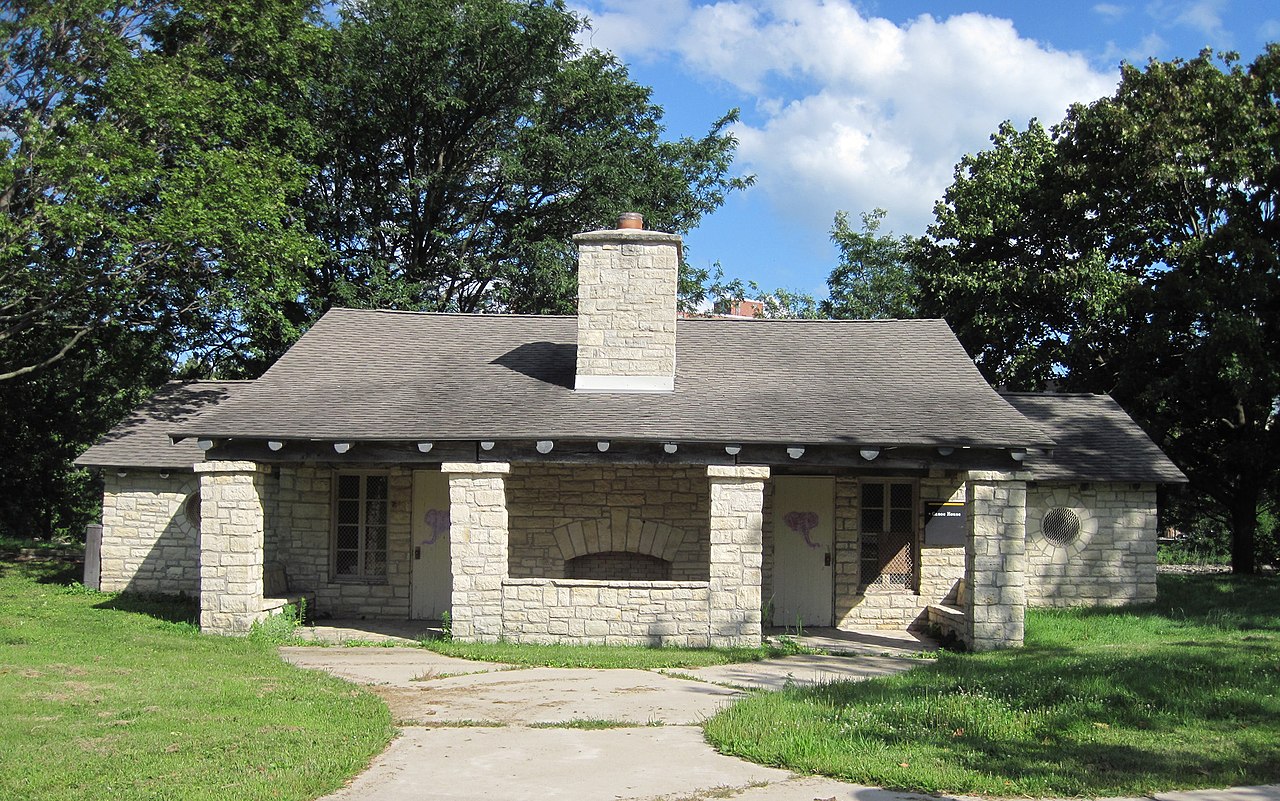
The WPA combined construction and artistic initiatives. On the construction side, it funded highways, bridges, schools, parks, public buildings, and other infrastructure improvements. On the cultural side it supported several programs that employed creative professionals: the Federal Art Project, the Federal Theatre Project, the Federal Writers' Project and the Federal Music Project. These cultural programs commissioned murals and sculptures for public spaces, produced plays (including notable productions such as The Cradle Will Rock), recorded oral histories and compiled guidebooks.
Programs and examples
- Federal Art Project: supported painters, sculptors, and muralists and placed artworks in schools, libraries and post offices (arts initiatives).
- Federal Theatre Project: produced accessible stage works and community performances.
- Federal Writers' Project: documented local histories and collected the Slave Narratives and other oral histories.
- Public works: roads, schools, airports, parks and municipal buildings that remain in use today.
History and leadership
Established during what is often called the "Second New Deal," the WPA was directed by social worker and New Deal administrator Harry Hopkins. It operated through the late 1930s and into the early years of America's mobilization for World War II, when large-scale wartime hiring and changing federal priorities led to its phase-out. Over its lifespan the program provided work to millions and became a major instrument of federal employment policy.
Legacy and significance
The WPA left a tangible legacy in both built infrastructure and cultural records: countless schools, roads, murals and performance records survive as reminders of the program. Its combination of public-works investment and cultural patronage influenced later public employment and arts-support policies. The WPA remains a frequently cited example in debates about government responses to mass unemployment and about the role of public funding in the arts.
Related articles
Author
AlegsaOnline.com Works Progress Administration (WPA) Leandro Alegsa
URL: https://en.alegsaonline.com/art/109067