
XYZ Affair
A 1797–1798 diplomatic scandal between the United States and France that led to an undeclared naval conflict, political divisions at home, and a lasting impact on early American foreign policy.
Overview
The XYZ Affair was a diplomatic incident between the United States and France that emerged in 1797–1798 after French privateers and warships began seizing American merchant vessels. To avoid open war, President John Adams dispatched a three-man commission to Paris to negotiate a resolution. Secret agents of the French foreign minister demanded substantial payments and a loan before formal talks could begin. When details of these demands reached the United States, the anonymous intermediaries were referred to in government papers as "X," "Y," and "Z," giving the episode its familiar name.
Image gallery
8 Images




Background and causes
The late 1790s were shaped by the wars following the French Revolution. The United States sought to remain neutral while maintaining trade with both Britain and France. Tensions rose after the Jay Treaty with Britain and growing French suspicion of American intentions. French naval forces began intercepting American ships in the Atlantic and the Caribbean, claiming reprisals against British commerce favored by U.S. policy.
Diplomatic mission and the demands
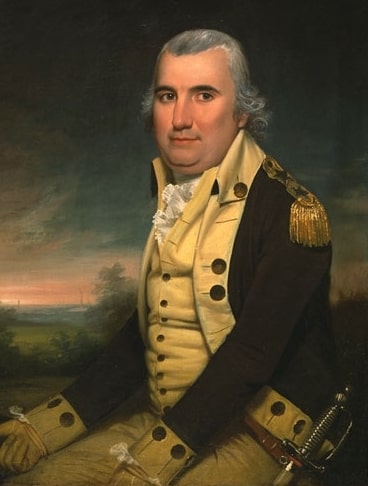
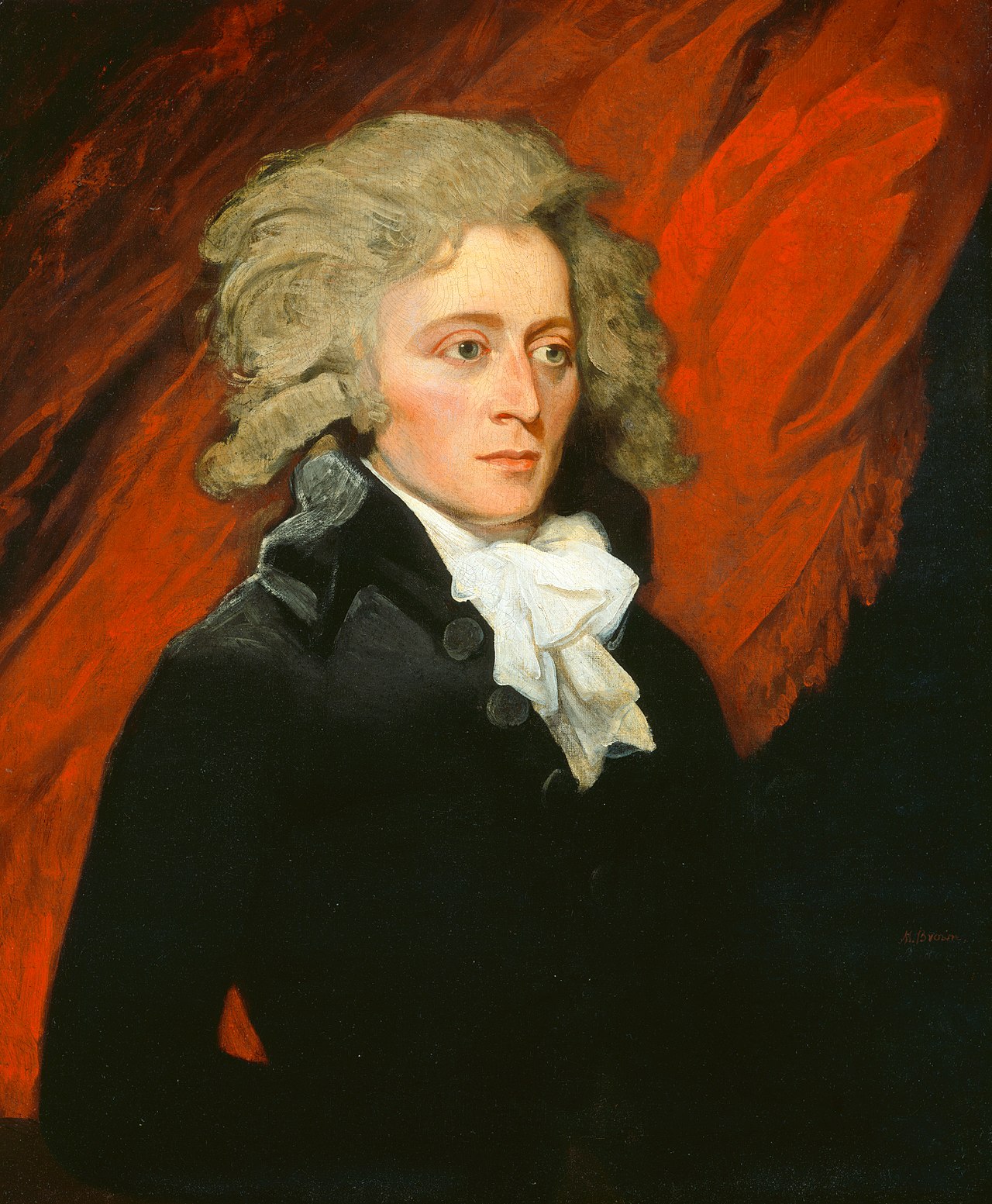
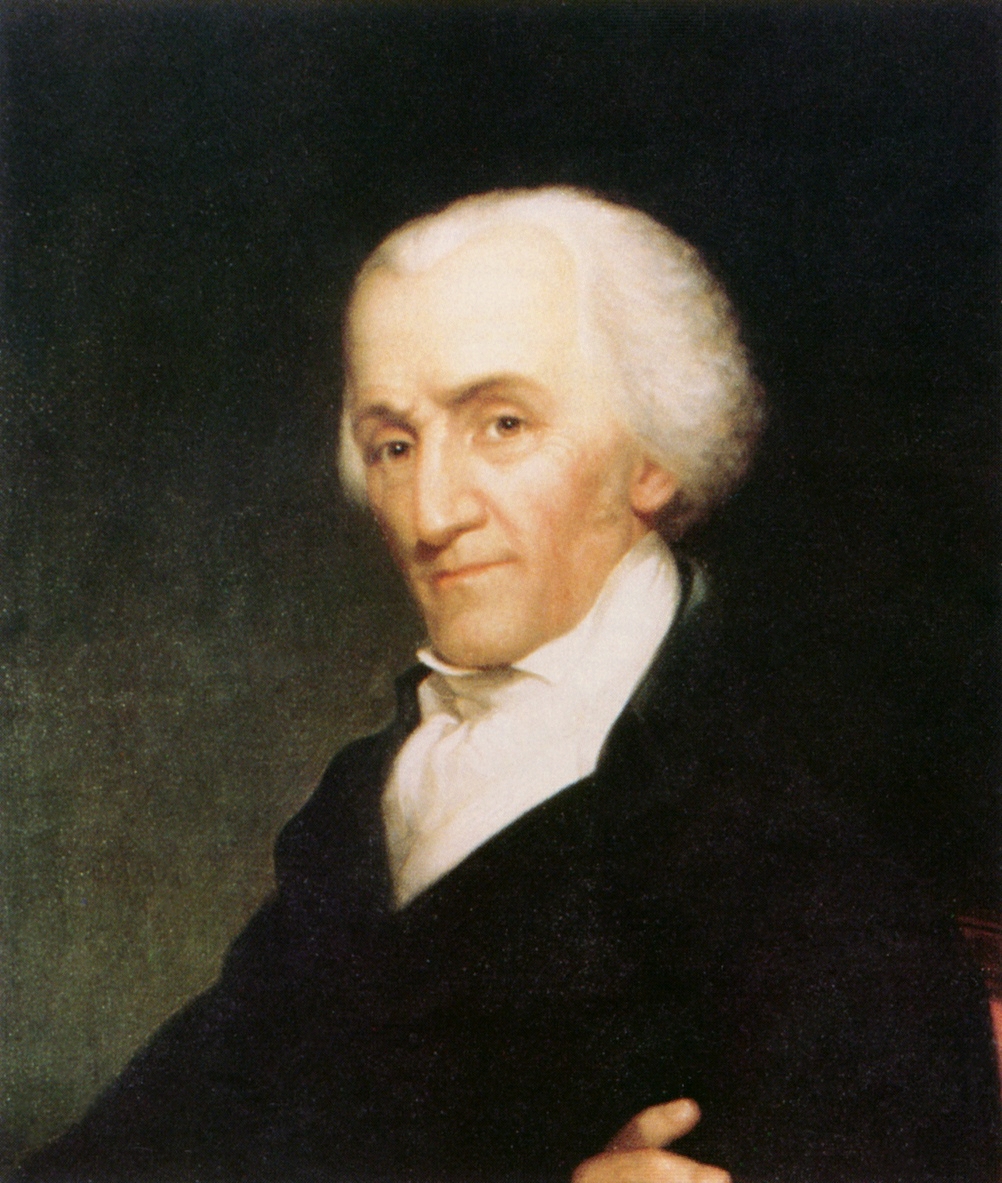
President Adams sent Charles C. Pinckney, John Marshall and Elbridge Gerry to Paris as envoys to obtain assurances and an end to the seizures. Rather than negotiating directly, agents of Foreign Minister Charles-Maurice de Talleyrand indicated that formal discussions would follow only if the United States granted a large loan to France and paid an immediate bribe to Talleyrand's agents. The American envoys refused to accede to such terms.
American reaction and undeclared conflict
When the Adams administration disclosed the episode to Congress in 1798, the three intermediaries were designated by the letters X, Y and Z to protect identities. The revelation provoked public outrage, popular slogans such as "Millions for defense, but not one cent for tribute!", and a political shift toward preparedness. Congress authorized a naval buildup, established the Department of the Navy, and the United States engaged in an undeclared naval confrontation with French vessels known as the Quasi-War (1798–1800).
Consequences and legacy
The crisis weakened pro-French sentiment among many Americans and strengthened the Federalist argument for a strong national government and military. It also placed President Adams in a difficult political position: while supporting increased defense measures, he resisted calls for a formal declaration of war and ultimately pursued a negotiated peace in 1800. The episode underscored challenges faced by a young republic balancing neutrality, commerce, and international pressures.
Key facts and figures
- Main U.S. envoys: Charles C. Pinckney, John Marshall, Elbridge Gerry.
- French foreign minister involved: Charles-Maurice de Talleyrand.
- Popular reaction: calls for military preparedness and rejection of bribery.
- Short-term result: naval hostilities in the Quasi-War and expansion of U.S. naval forces.
Although the XYZ Affair did not produce a formal declaration of war, it had lasting effects on American diplomacy, domestic politics, and the development of national institutions that managed international conflict.
Related articles
Author
AlegsaOnline.com XYZ Affair Leandro Alegsa
URL: https://en.alegsaonline.com/art/109527