
Worcester Cathedral: history, architecture and significance
Worcester Cathedral is the Anglican seat in Worcester, England, known for its long building history (1084–1504), Norman crypt, distinctive chapter house and role in religious, cultural and civic life.
Overview
Worcester Cathedral is an Anglican cathedral situated in the city of Worcester, on a rise above the River Severn. Officially dedicated as The Cathedral Church of Christ and the Blessed Mary the Virgin of Worcester, it is the seat of the Bishop of Worcester and has been a focal point for worship, burial and civic ceremonies for many centuries.
Image gallery
10 Images




Architecture and principal parts
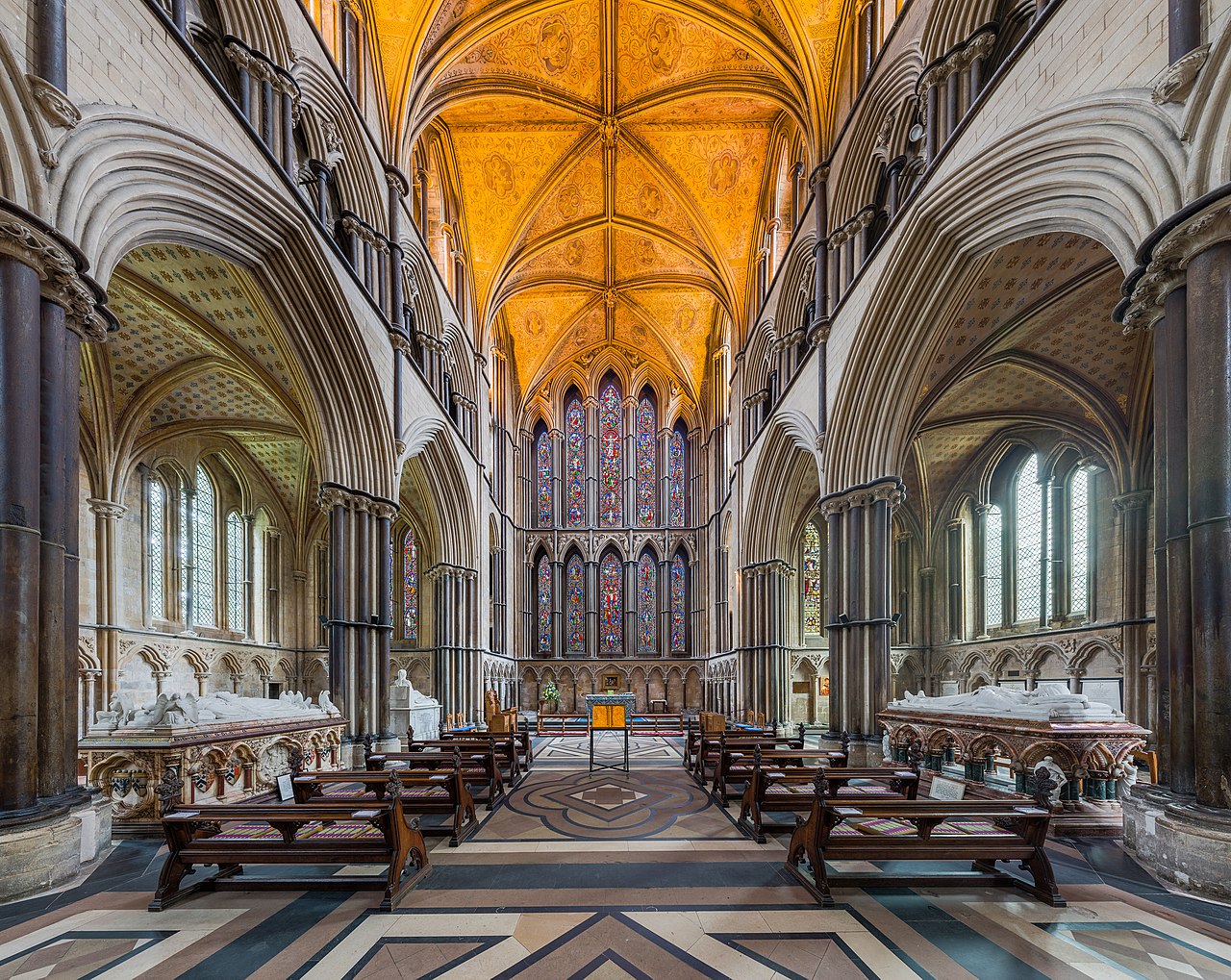
The building reflects nearly four centuries of continuous work, begun in the late 11th century and completed in the early 16th century, so its fabric ranges from Norman masonry to late Perpendicular Gothic. Key elements include a long nave, choir, transepts, cloisters and an extensive crypt. The cathedral is especially noted for its well-preserved Norman crypt and an unusual medieval chapter house that draws architectural interest.
History and development
Construction began shortly after 1084 and proceeded in phases as styles and resources changed. Successive bishops and patrons funded expansions, decorative programs and repairs, producing a building that records transitions in English medieval architecture. Like many great churches, it underwent maintenance and sympathetic restoration in later centuries to address wear and the effects of weather and time.
Notable features
- Norman crypt: an early-surviving subterranean space that is a highlight for visitors and scholars (see crypt).
- Medieval chapter house: an uncommon layout among English cathedrals and a point of interest for students of ecclesiastical design.
- Monuments and tombs: the cathedral contains a number of medieval and later memorials, including notable royal and episcopal burials that mark its historic importance.
- Choir and music: a continuous choral tradition and a large organ support liturgical and concert use.
Uses, cultural role and conservation
Beyond regular daily worship and the diocesan functions of the bishop, Worcester Cathedral hosts concerts, civic events, educational visits and seasonal festivals, forming a hub for both religious life and community culture. Because of its antiquity and architectural value it is protected and cared for through ongoing conservation, research and public engagement to ensure the building remains both a living place of worship and a heritage site.
Visiting and significance
Visitors are drawn by the cathedral's skyline presence above the Severn, its layered historical fabric and its collections of monuments, woodwork and stained glass. The combination of religious function, architectural interest and civic association makes Worcester Cathedral an important example of England's medieval ecclesiastical heritage.
Questions and answers
Q: Where is Worcester Cathedral located?
A: Worcester Cathedral is located in Worcester, England.
Q: What is the official name of Worcester Cathedral?
A: The official name of Worcester Cathedral is The Cathedral Church of Christ and the Blessed Mary the Virgin of Worcester.
Q: Who is the Anglican Bishop of Worcester?
A: The Anglican Bishop of Worcester is seated at Worcester Cathedral.
Q: What is Worcester Cathedral famous for?
A: Worcester Cathedral is famous for its Norman crypt and the unusual chapter house.
Q: When was Worcester Cathedral built?
A: Worcester Cathedral was built between 1084 and 1504.
Q: What are the different kinds of architecture present in Worcester Cathedral?
A: There are many different kinds of architecture present in Worcester Cathedral, from Norman to Perpendicular Gothic.
Q: Where does Worcester Cathedral stand?
A: Worcester Cathedral stands on a bank overlooking the River Severn.
Related articles
Author
AlegsaOnline.com Worcester Cathedral: history, architecture and significance Leandro Alegsa
URL: https://en.alegsaonline.com/art/109021