
Nawal El Saadawi: Egyptian writer, physician and feminist activist
Egyptian physician, psychiatrist, novelist and feminist (1931–2021). Author of dozens of books on gender, religion and politics; a controversial and influential voice in Arab feminist thought.
Overview
Nawal El Saadawi (October 27, 1931 – March 21, 2021) was an Egyptian physician, psychiatrist, novelist and outspoken feminist. Over a career spanning more than half a century she addressed the social, cultural and legal constraints faced by women in Egypt and the wider Arab world. Her writing combined clinical experience, political critique and literary storytelling to challenge traditional gender roles and religious conservatism. For more information see further resources.
Image gallery
4 Images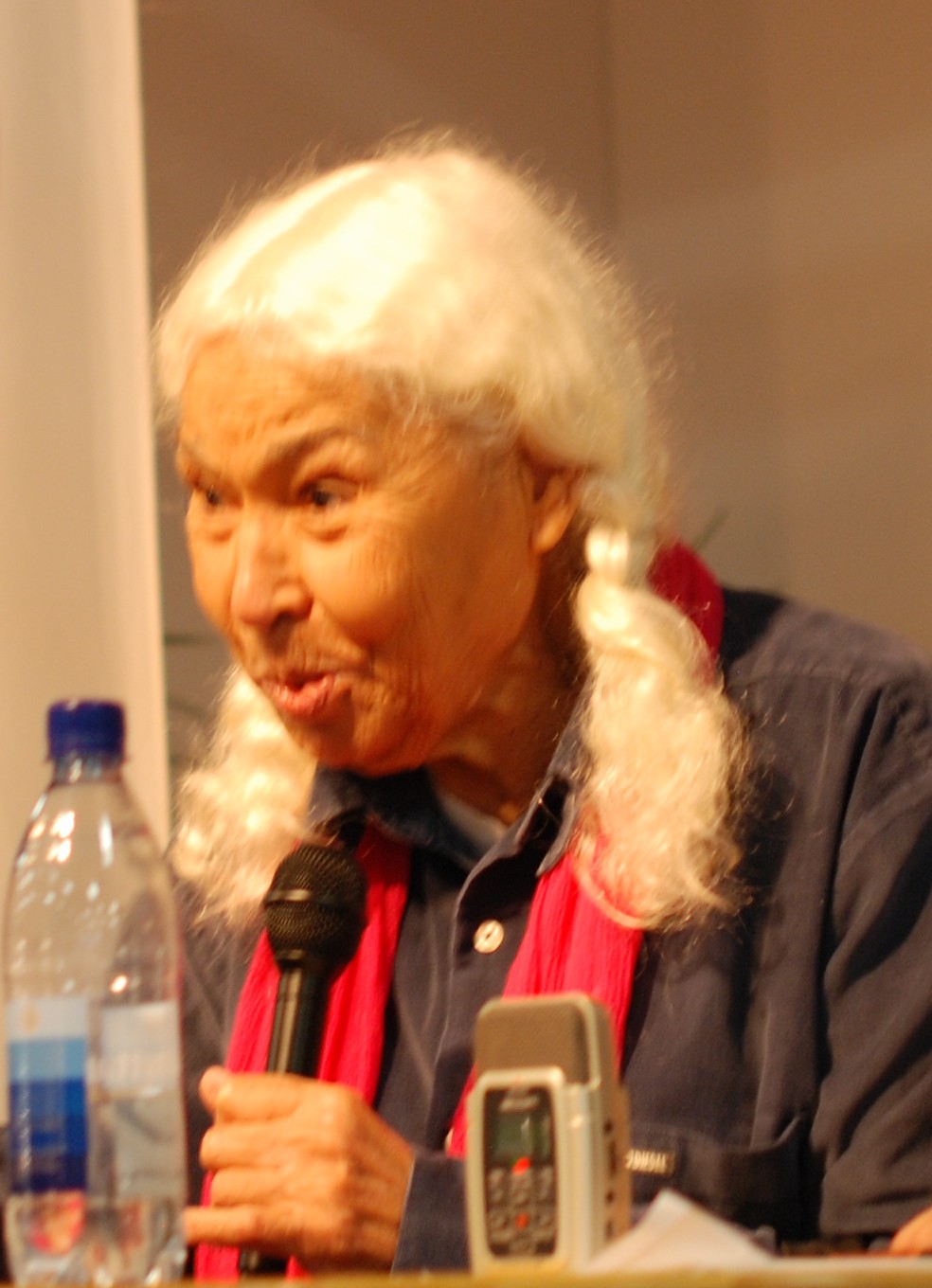


Background and career
El Saadawi trained in medicine and psychiatry and worked in public health before dedicating herself increasingly to writing and activism. Her bibliography is substantial—commonly cited as comprising dozens of books—and includes fiction, memoir and non‑fiction that draw on both clinical practice and personal experience. She used multiple genres to reach different audiences: novels gave voice to individual women, while essays and polemics confronted institutional power.
Major themes and works
Recurring subjects in her work include patriarchal oppression, sexual politics, female genital mutilation, and the intersection of religion and power. Two of her best‑known books, often translated into other languages, are the novel Woman at Point Zero, which portrays a condemned woman's life and resistance, and The Hidden Face of Eve, a collection of essays on women’s lives in Arab societies. She combined storytelling with feminist and leftist critique to argue for bodily autonomy and legal reform.
Controversy and political stance
El Saadawi was a polarizing figure: praised by many for her courage and international impact, and criticized by others who disagreed with her secularist and often Marxist‑influenced positions. Her outspokenness occasionally led to professional repercussions and periods of legal or political pressure. She remained a persistent critic of what she saw as religiously justified social restrictions on women.
Legacy and influence
Her books and public interventions helped galvanize feminist debate across the Arab world and beyond. Writers, activists and scholars cite her as a formative influence on contemporary discussions about gender, law and human rights in the Middle East. Though controversial, her work sparked conversations about practices such as female genital mutilation and about women's access to education, health care and political participation.
Notable facts
- Born in 1931 and died in 2021, she wrote extensively about women’s issues in Egypt and the region.
- Her output included novels, clinical observations and political essays, often translated into multiple languages.
- She blended medical training, literary skills and political critique to address gendered power structures.
Questions and answers
Q: Who was Nawal El Saadawi?
A: Nawal El Saadawi was an Egyptian feminist writer, activist, physician, and psychiatrist.
Q: When was Nawal El Saadawi born?
A: Nawal El Saadawi was born on October 27, 1931.
Q: When did Nawal El Saadawi pass away?
A: Nawal El Saadawi passed away on March 21, 2021.
Q: How many books did Nawal El Saadawi write?
A: Nawal El Saadawi wrote 47 books.
Q: What was the subject of Nawal El Saadawi's books?
A: The subject of Nawal El Saadawi's books was the problems of women in Egypt.
Q: What political ideology did Nawal El Saadawi hold?
A: Nawal El Saadawi was a Marxist.
Q: Was Nawal El Saadawi's work focused specifically on Egypt?
A: Yes, Nawal El Saadawi's work was focused specifically on the problems of women in Egypt.
Author
AlegsaOnline.com Nawal El Saadawi: Egyptian writer, physician and feminist activist Leandro Alegsa
URL: https://en.alegsaonline.com/art/127461