
Wolfson College, University of Oxford
Graduate college of the University of Oxford, founded in 1966 with major donations from the Wolfson and Ford Foundations; noted for its graduate focus, modern architecture and international community.
Overview
Wolfson College is a graduate-only college within the University of Oxford. Established in 1966 with substantial support from the Wolfson Foundation and the Ford Foundation, it was created to provide a modern, research-focused environment for postgraduate students and academic visitors. The college is known for its diverse international membership and emphasis on interdisciplinary study.
Image gallery
10 Images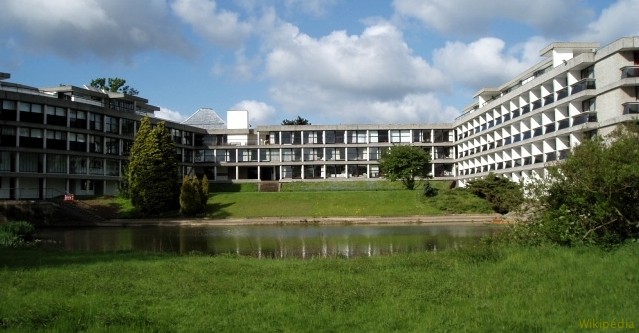




History and development
The college was founded in the mid-20th century during a period of expansion in higher education. Donor support shaped its early growth, enabling purpose-built accommodation and facilities intended for mature and postgraduate study rather than the traditional undergraduate college model. Over time it expanded its buildings and services to meet the changing needs of graduate scholars and established a reputation for being open and outward-facing.
Buildings, facilities and organization
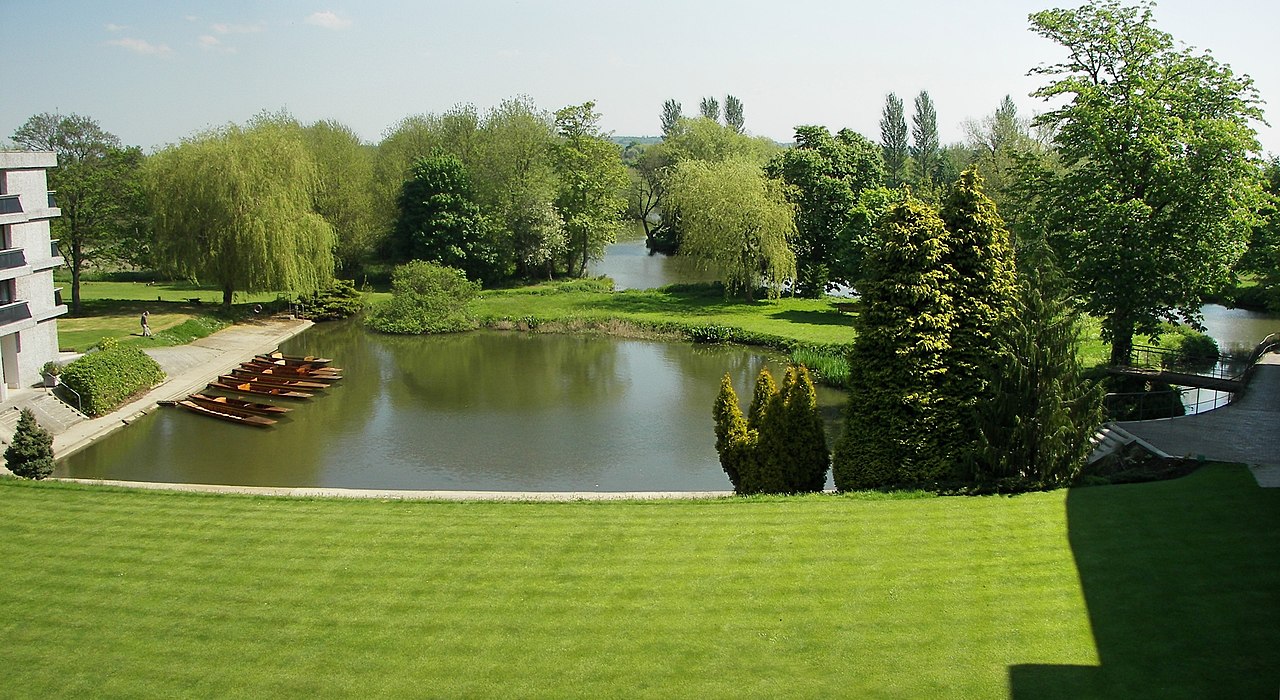
Wolfson combines modern architecture with landscaped grounds and communal spaces designed to encourage interaction between students and fellows. Typical facilities include a college library, seminar and meeting rooms, dining and common rooms, study spaces and residential accommodation for members. Governance is provided by a body of fellows and officers responsible for academic affairs and student welfare.
Academic life and community
The college primarily supports postgraduate taught and research programmes across a wide range of disciplines. Its community includes doctoral candidates, master’s students, visiting researchers and academic staff. Regular seminars, reading groups and social events are organised to promote interdisciplinary exchange and to integrate scholars from different backgrounds and countries.
Notable characteristics
- Graduate focus: exclusively admits postgraduate students and academic visitors.
- International community: significant proportion of members come from outside the UK.
- Modern foundation: founded in 1966 with philanthropic support, reflecting mid-20th-century priorities.
- Interdisciplinary emphasis: fosters connections across fields through seminars and shared facilities.
Related articles
Author
AlegsaOnline.com Wolfson College, University of Oxford Leandro Alegsa
URL: https://en.alegsaonline.com/art/108838
Sources
- wolfson.ox.ac.uk : Wolfson College About Wolfson