
Worcester College, Oxford: history, architecture and academic life
College of the University of Oxford founded on the medieval site of Gloucester College (1283); refounded as Worcester College in 1714 and noted for its historic buildings and gardens.
Worcester College is one of the constituent colleges of the University of Oxford. It occupies a campus with medieval origins and a mixture of buildings from several centuries. Today the college admits undergraduates and graduates across a wide range of subjects and combines teaching, student accommodation and communal life in a long-standing collegiate tradition.
Image gallery
10 Images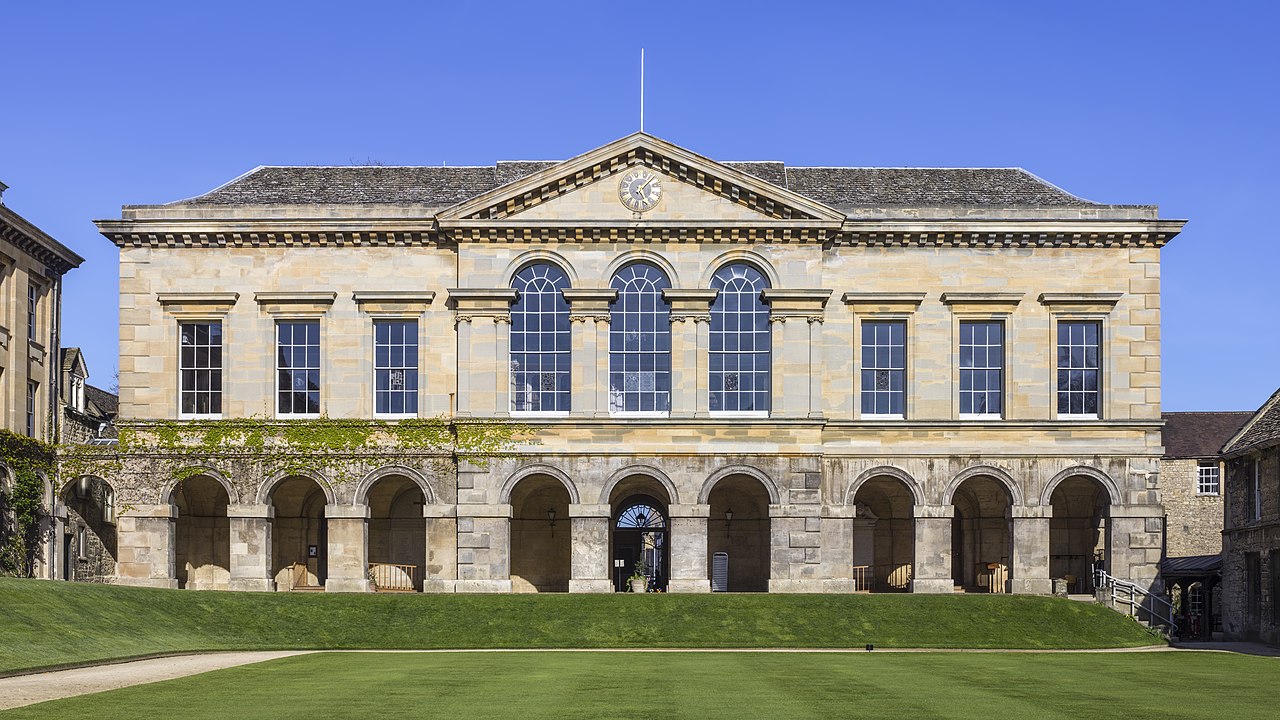




History
The site now occupied by Worcester College began as Gloucester College, established in 1283 as a place where Benedictine monks from several abbeys could study. Over the later medieval period the foundation was used by monks from a number of different houses and developed the characteristic monastic and academic buildings of the era.
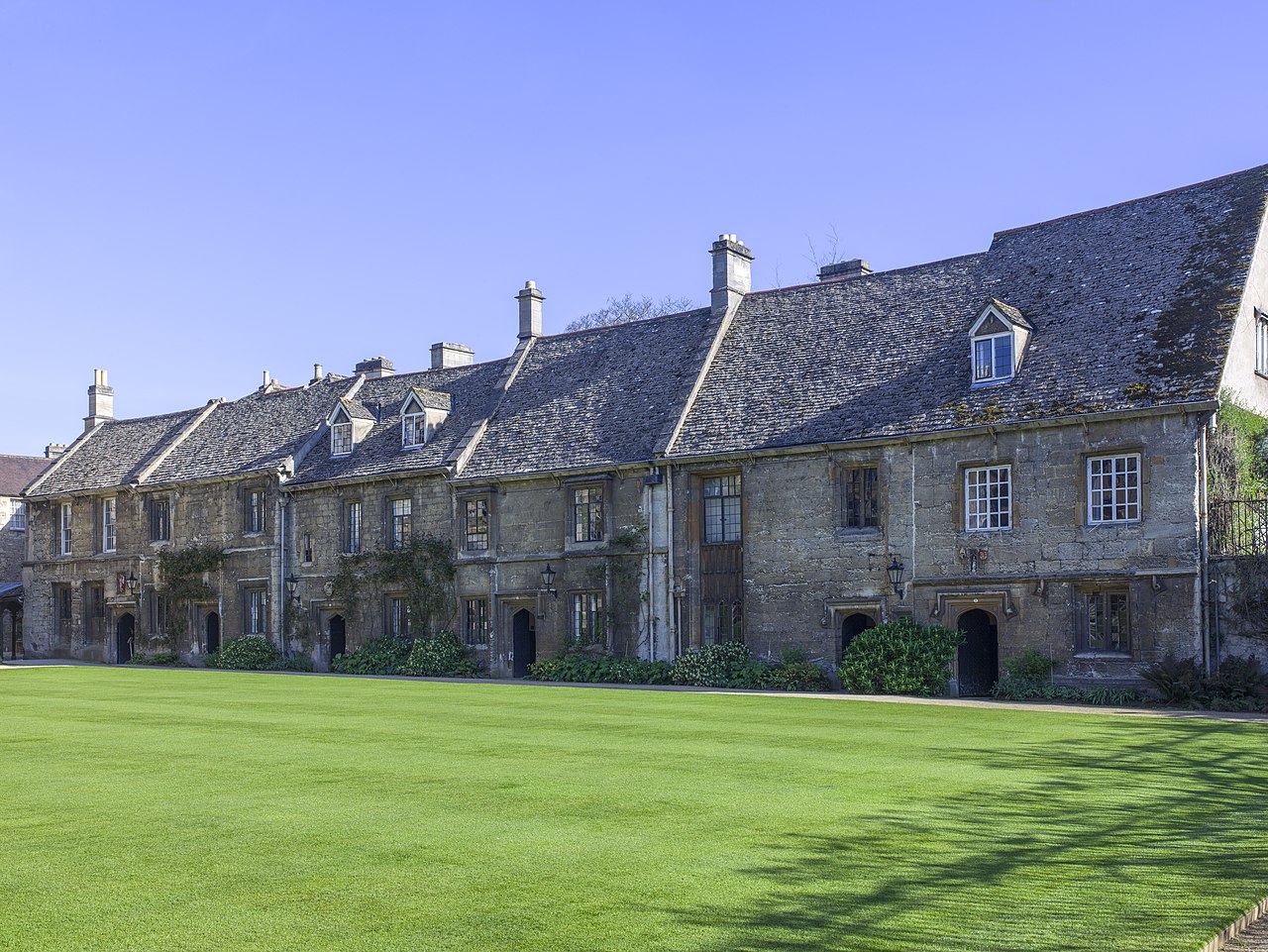
In the mid-16th century, during the Dissolution of the Monasteries under Henry VIII, the Benedictine houses were suppressed and their shared college ceased to function in its original form. For a time the surviving buildings were adapted for other uses, including service as a bishop's residence. In the latter 16th century the property came into private hands and was known as Gloucester Hall; some of those older structures survive within the present college fabric.
In 1714 the institution on this site was refounded as Worcester College after a new endowment. The refoundation reorganised the site for a modern collegiate purpose and the name Worcester has been used since that date. Many later additions and restorations have shaped the appearance of the college as seen today.
Architecture and features
Worcester College is notable for the way medieval, 17th- and 18th-century and Victorian elements sit together. Key features include quads and cloistered courts formed from older masonry, later classical façades, and internal spaces adapted for dining, chapel and library use. The college maintains gardens and green spaces that are valued by students and visitors alike.
- Surviving medieval fabric: parts of the original Gloucester College buildings remain integrated into later structures.
- Collegiate layout: courtyards, a chapel and common rooms continue the communal life central to Oxford colleges.
- Gardens and setting: landscaped grounds and mature plantings contribute to the college’s atmosphere.
As with other Oxford colleges, Worcester combines accommodation, teaching support and social spaces for its members. It supports tutorials, examinations and research activities within the collegiate system and participates in the wider academic and cultural life of the university.
Notable in the college’s story are the long continuity of occupation on the site since the 13th century and the layering of uses — monastic study, episcopal residence, Gloucester Hall and finally a modern college — which make Worcester a good example of how Oxford’s colleges evolved over many centuries.
Related articles
Author
AlegsaOnline.com Worcester College, Oxford: history, architecture and academic life Leandro Alegsa
URL: https://en.alegsaonline.com/art/109022
Sources
- worc.ox.ac.uk : History of the College