
Winghead shark (Eusphyra blochii)
A small hammerhead shark notable for an exceptionally wide cephalofoil. Found in tropical Indo-Pacific coastal waters, it is fished locally and faces pressure from fisheries and habitat change.
Overview
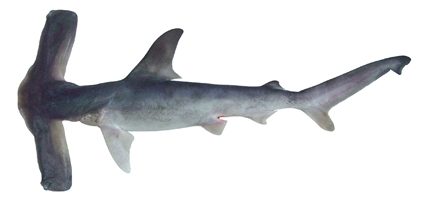
The winghead shark, Eusphyra blochii, is a distinctive species of hammerhead shark in the family Sphyrnidae and the sole member of the genus Eusphyra. Its common name comes from the very broad, wing-like lobes on the head (cephalofoil) that are proportionally wider than those of other hammerheads. It is a relatively small species and is not considered dangerous to humans.
Image gallery
4 Images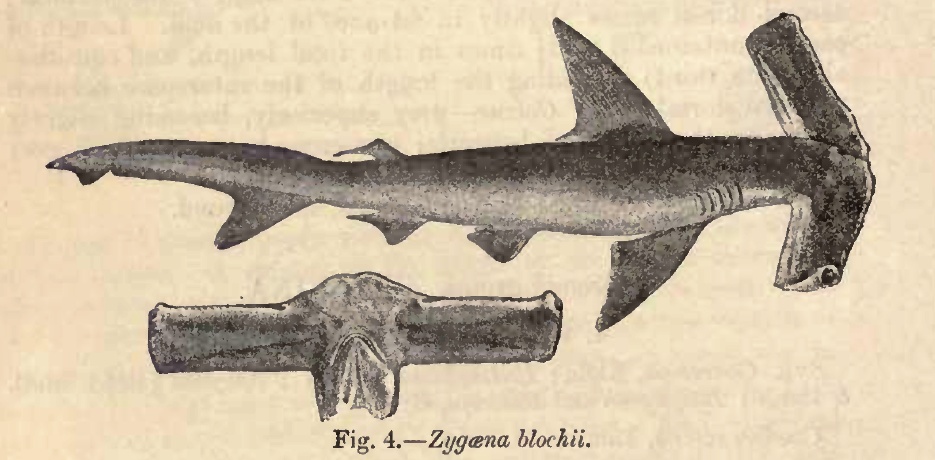


Physical characteristics
The winghead shark is notable for having the widest cephalofoil relative to body length among hammerheads. Typical features include a slender body, large lateral eyes set on the extended head, and a coloration that ranges from grayish brown on the back to a lighter underside. The cephalofoil is thought to provide enhanced sensory capabilities and improved maneuverability.
Habitat and distribution
Found primarily in tropical and warm temperate coastal waters of the Indo-West Pacific, this shark frequents continental shelves, bays, and estuaries. It is commonly encountered in shallow, nearshore environments where it hunts for small fishes and invertebrates. For general species information see Eusphyra blochii and for context within related species consult hammerhead sharks.
Biology and behavior
The winghead shark feeds on small bony fishes, cephalopods and crustaceans, using its head to probe and detect prey with electroreceptive and olfactory enhancements. Reproduction is viviparous (live-bearing), with females producing multiple young per litter. Social and migratory behaviors are not as well documented as for some larger shark species.
Human interactions and conservation
This species is taken in coastal fisheries, both as targeted catch and as bycatch, and its fins and meat are used locally. Population declines in many coastal shark species are linked to fishing pressure and habitat degradation; the winghead shark is affected by these threats. Further information on fisheries and management can be found at resources about regional fisheries and conservation practices.
Notable facts
- The winghead shark has one of the most extreme cephalofoil shapes among hammerheads, which likely improves sensory perception.
- It is the only species in the genus Eusphyra, distinguishing it taxonomically from other hammerheads.
- Despite its unusual appearance, it is a small, relatively harmless shark often encountered in shallow coastal waters.
Related articles
Author
AlegsaOnline.com Winghead shark (Eusphyra blochii) Leandro Alegsa
URL: https://en.alegsaonline.com/art/108580
Sources
- seapics.com : Winghead Shark Pictures and Facts
- sharknames.net : Winghead Shark Facts