
Wim Crouwel — Dutch graphic and type designer
Wim Crouwel (1928–2019), influential Dutch graphic designer and typographer, known for New Alphabet, grid-based modernist work, Total Design, and iconic posters, stamps and exhibition identities.

Wim Crouwel (1928–2019) was a leading Dutch graphic designer, type designer and typographer whose work helped define postwar modernist design in the Netherlands. Born in Groningen, he combined a rigorous, systematic approach to layout with clear, functional lettering. His career spanned printed posters, corporate identity, exhibition design and experimental typefaces.
Image gallery
2 Images
Design approach and characteristics
Crouwel favored strict grids, modular systems and restrained typography. This practical rationalism produced highly legible and consistent visual communications for public institutions and corporate clients. His disciplined use of geometry and a limited palette of type and color earned him informal nicknames such as Gridnik or "Mr. Grid," reflecting his reputation for order and clarity.
Major works and projects
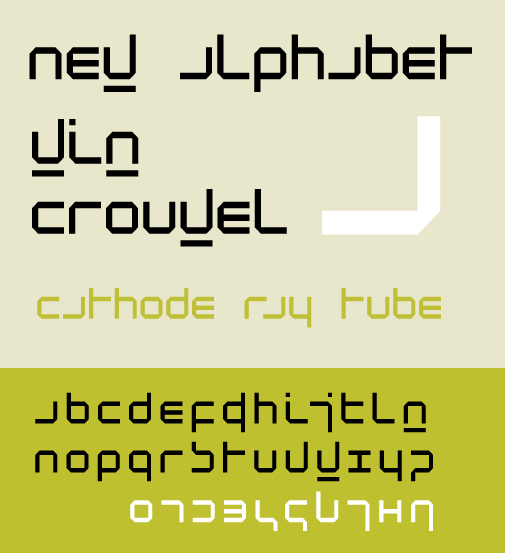
- New Alphabet (1967): an experimental typeface created to explore the limits of early electronic and raster displays; the project questioned how letterforms adapt to emerging technologies and legibility constraints. New Alphabet
- Expo '70 (Osaka, 1970): Crouwel contributed to the Dutch pavilion design, applying his organizational design thinking to a large international exhibition.
- Number postage stamps (1976–2002): a minimalist stamp series used by the Dutch PTT, widely recognized for its economy of form and function.
- Studio and identity work: cofounder of the influential design agency Total Design and designer of numerous museum posters, catalogues and corporate identities that shaped Dutch visual culture.
Crouwel's work balanced experimentation with pragmatic requirements of production and communication. He often taught, lectured and published, helping disseminate a systematic design ethos to students and professional peers.
Legacy and influence
Widely exhibited and reproduced, Crouwel's graphic language influenced generations of designers interested in grid systems, information design and typographic clarity. His projects remain studied examples in design education and are part of museum collections and retrospectives. He died in Amsterdam in 2019 at the age of 90, leaving a lasting impact on modern graphic practice and type design.
Related articles
Author
AlegsaOnline.com Wim Crouwel — Dutch graphic and type designer Leandro Alegsa
URL: https://en.alegsaonline.com/art/108431
Sources
- tellerreport.com : Graphic designer Wim Crouwel (90) passed away