
Willow grouse (willow ptarmigan) — Lagopus lagopus
A northern gamebird of the genus Lagopus found across Arctic and subarctic Eurasia and North America, noted for seasonal white winter plumage and importance in tundra ecosystems and human subsistence.
Overview
The willow grouse, also known in North America as the willow ptarmigan (scientific name Lagopus lagopus), is a medium-to-large ground bird of the grouse family. It inhabits Arctic and subarctic regions of northern Eurasia and North America and is one of the best-known birds of tundra and birch-woodland ecosystems. The species is largely sedentary, remaining year-round across much of its range rather than undertaking long migrations.
Image gallery
10 Images




Identification and seasonal change
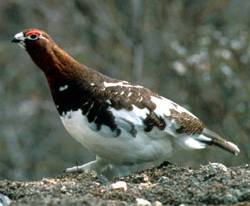
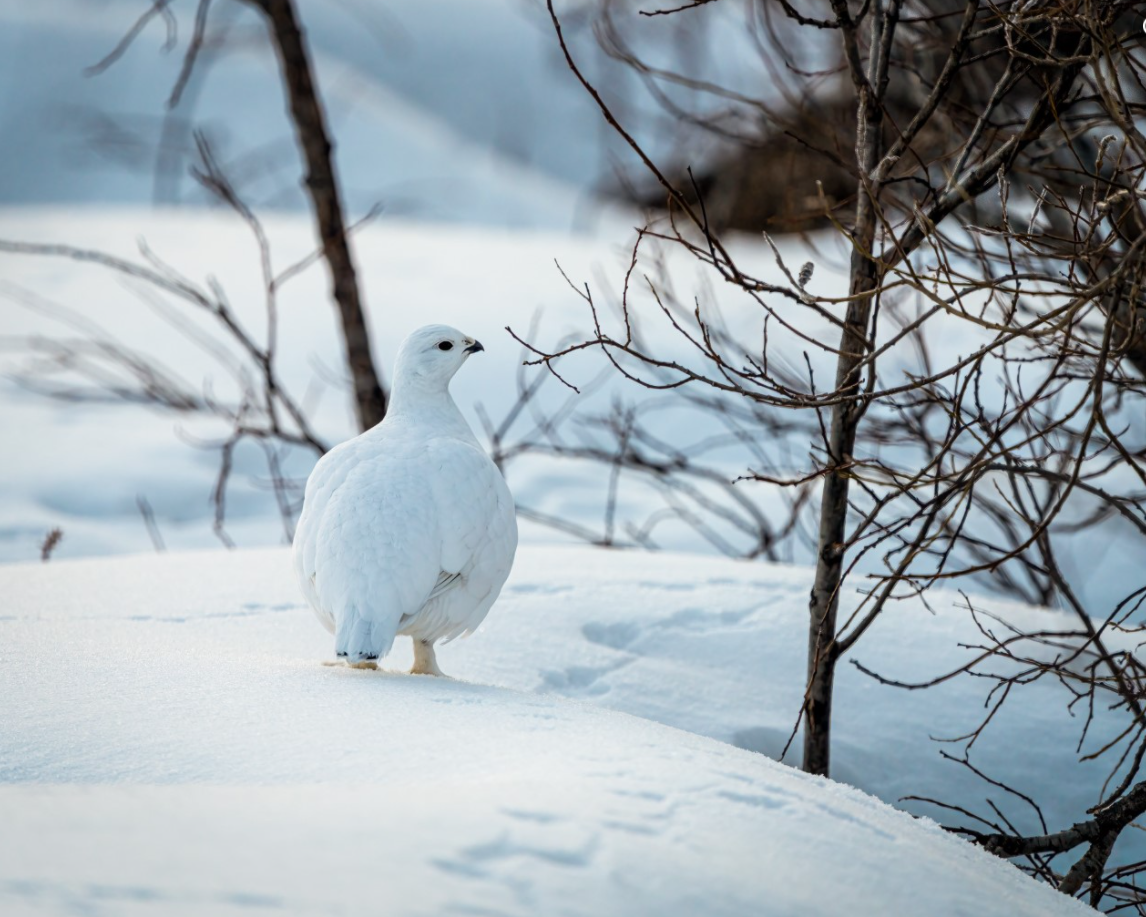
Adults measure roughly 15–17 inches (about 38–43 cm) in length. The most conspicuous feature is the seasonal plumage: birds are cryptically brown or mottled in summer, which provides camouflage among vegetation, and molt to predominantly white feathers for winter snow cover. This seasonal color change is a classic example of adaptive camouflage in cold environments. Other notable traits include a compact, rounded body, feathered legs and toes in many populations, and a stout bill suited to browsing vegetation.
Habitat, diet and behaviour
Willow grouse occupy a range of open habitats including tundra, moorland and birch scrub. They feed mainly on plant material — buds, twigs and leaves of willows, birch and other shrubs — supplemented by insects and other invertebrates, especially when feeding chicks during the summer. The species is generally ground-dwelling and cryptic, relying on camouflage and low running flights to escape predators.
Reproduction and life history
Willow grouse nest on the ground in shallow scrapes lined with vegetation. Females lay a clutch of eggs and the chicks are precocial: they hatch well-developed and soon leave the nest to follow the hen and feed independently. Breeding success varies with weather and predator pressure; populations can fluctuate with cycles in predator and prey abundance in high-latitude ecosystems.
Conservation, use and cultural importance
The willow grouse is widespread and, across most of its range, considered common rather than threatened. It is an important gamebird and a traditional food source for many Arctic and subarctic communities. The species also attracts scientific interest for studies of seasonal molt, camouflage, and responses to climate change because shifts in snow cover can affect the effectiveness of its white winter plumage.
Relations and notable facts
- The willow grouse belongs to the genus Lagopus, which includes several ptarmigan species adapted to cold environments.
- It is the state bird of Alaska and is known in North America as the willow ptarmigan.
- Fossil and historical records show the species occupied more southerly areas of Europe during colder periods of the Pleistocene.
- For further taxonomic and ecological information see the Arctic bird literature and regional species accounts.
Related articles
Author
AlegsaOnline.com Willow grouse (willow ptarmigan) — Lagopus lagopus Leandro Alegsa
URL: https://en.alegsaonline.com/art/108370