
William Marshal, 1st Earl of Pembroke
Medieval English knight and statesman (c.1147–1219) who rose from modest origins to become Earl of Pembroke, served five kings, and acted as regent for the young Henry III.
Overview
William Marshal (c.1147 – 14 May 1219), commonly called "the Marshal," was a leading figure in twelfth- and early thirteenth-century England. Celebrated in his own time for personal bravery and the practice of chivalry, he combined military skill, political service and administrative ability to rise from limited inheritance to become Earl of Pembroke and one of the realm's most influential magnates. He is notable both as a tournament knight and as a statesman who helped preserve the English monarchy during a turbulent period.
Image gallery
10 Images





Early life and rise
Born into a minor noble family, Marshal began his career without substantial lands or high rank. Early service at noble and royal courts brought him training in arms and household administration. His fortunes changed through marriage to Isabel de Clare, heiress of the Pembroke lordship, which brought him major estates and the earldom. Alongside landed advancement, Marshal took part in the competitive world of tournaments, where his reputation as a peerless combatant was established.
Career and influence
Across a long career William served five successive Angevin and Plantagenet kings: Henry II, the young Henry (often called Henry the Young King), Richard I, King John and the boy king Henry III. He earned a reputation for steadfast loyalty to the crown, though his relationships with particular monarchs could be complex. He combined battlefield command with diplomatic work and estate management, and his advice was sought on military and legal matters. Contemporary and later writers praised his judgment, courage and capacity to mediate between competing baronial and royal interests.
Regency and the crisis of succession
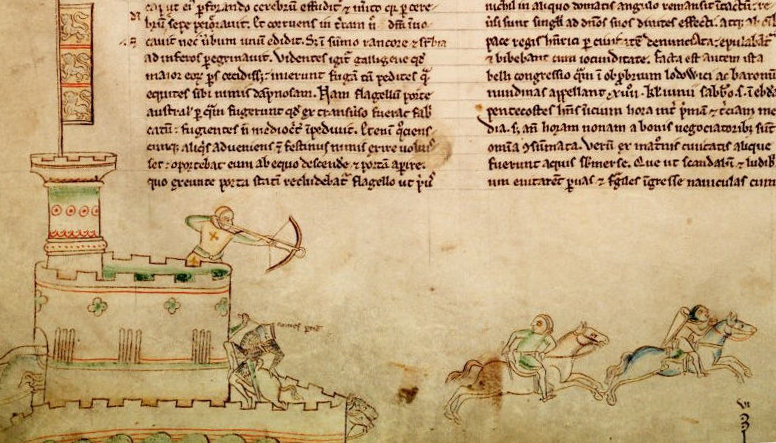
Following King John's death in 1216, the realm faced rebellion and a rival French-backed claimant. Marshal played a central role in securing the succession of the young Henry III: he became guardian and regent for the child king, reorganised royal forces, and worked to reconcile disaffected barons to the monarchy. Under his leadership royal authority was restored, notably through military actions and negotiated settlements that reinforced the continuity of government during a fragile minority.
Reputation, legacy and sources
William Marshal has been remembered as the exemplar of the ideal medieval knight and as a pragmatic statesman. His life was recounted shortly after his death in a long Anglo-Norman biography compiled for his family; that narrative, together with royal records and chronicles, forms the basis for modern understanding of his career. His descendants held influence for a time, though the direct male line eventually failed. Historians study him as a bridge between martial culture and the institutional needs of kingship.
Notable aspects and further reading
- Military and chivalric fame: success in tournaments and battle made him a standard of knightly virtue.
- Political role: served five kings and later acted as regent for Henry III.
- Marriage alliance: acquisition of Pembroke transformed his social and economic position.
- Primary biography: an Anglo-Norman life written soon after his death remains the richest narrative source.
Sources and further reading
- Overview of medieval knighthood
- Regency and minority government in medieval England
- Historical surveys of England in the twelfth and thirteenth centuries
- Royal successions and child kings
- Studies on the English monarchy and power structures
- Military culture and combat in the High Middle Ages
- Loyalty and service in medieval courts
- Diplomacy and negotiation among medieval elites
- The earldom of Pembroke and landed wealth
- The Anglo-Norman biography of William Marshal
- Further primary and secondary source collections
(This article summarises broadly accepted facts and interpretations about William Marshal without attempting to catalogue specialized archival details.)
Questions and answers
Q: Who was William Marshal?
A: William Marshal was a Knight who served five kings and became the Earl of Pembroke.
Q: What was William Marshal known for?
A: William Marshal was known for his combat skills, loyalty to his kings, and diplomacy abilities.
Q: Was William Marshal a wealthy man?
A: Yes, William Marshal became one of the wealthiest men in the country.
Q: Who commissioned a biography of William Marshal's life after his death?
A: William Marshal II, his oldest son, commissioned a biography of his father's life.
Q: Is the biography of William Marshal entirely accurate?
A: While biographers often embellish their subjects, many of the events of William's life stated in the biography are clearly recorded in historical records.
Q: Did William Marshal serve as Regent of England?
A: Yes, William Marshal served as Regent of England during the childhood of Edward III.
Q: How important was William Marshal during his time?
A: William Marshal may have been one of the most important persons in the monarchy next to the Royal family itself.
Related articles
Author
AlegsaOnline.com William Marshal, 1st Earl of Pembroke Leandro Alegsa
URL: https://en.alegsaonline.com/art/108270
Sources
- britainexpress.com : britainexpress.com/London/Temple_Church.htm