
William Kidd (Captain Kidd): Scottish privateer turned pirate and his legacy
Scottish seafarer William Kidd (c.1645–1701) was a privateer whose voyage ended in a notorious piracy trial and execution. His life inspired treasure myths and debate over piracy, justice, and legend.
Overview
William Kidd, commonly known as Captain Kidd, was a Scottish-born mariner whose career in the late 17th century shifted from licensed privateering to a notorious piracy trial. Celebrated in ballads and vilified in court, Kidd has become one of the most enduring figures in maritime folklore. His story combines the legal ambiguities of privateering, contested captures at sea, and a sensational trial in London.
Image gallery
10 Images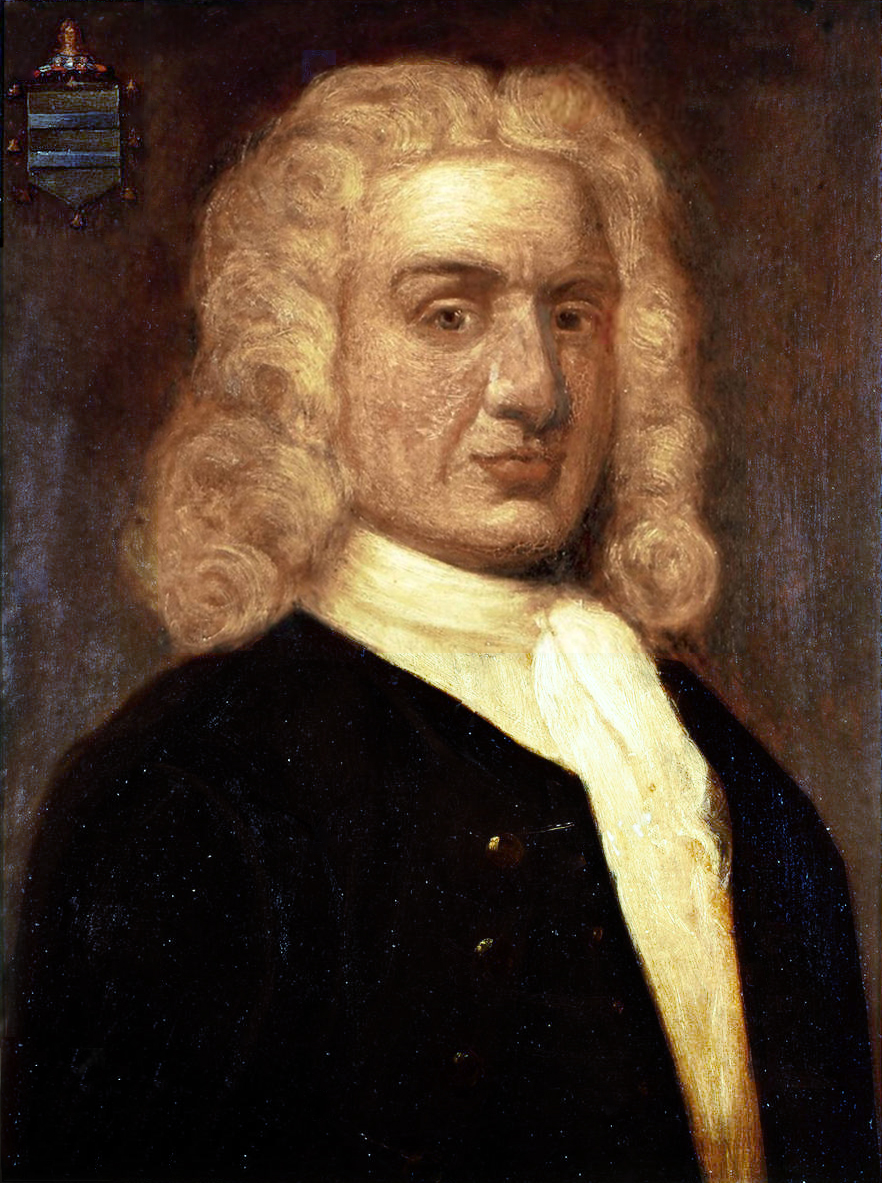


Career and commissions
Originally employed under a commission meant to authorize attacks on enemy vessels and pirates, Kidd sailed with backing from investors and colonial officials. That commission distinguished his actions from outright private acts of robbery, but captures he made, including a richly laden Indian merchant, brought his motives and paperwork under scrutiny. The distinction between privateer and pirate was often a matter of politics and proof rather than clear law.
Key events: voyage, capture, arrest
During his Atlantic and Indian Ocean voyage Kidd took several prizes that proved controversial. One capture brought treasures—coins, bullion and ornaments—that contemporaries described as gold and other valuables. Colonial authorities in New England arrested Kidd amid allegations that he had exceeded his commission and seized property unlawfully. Among the accusations was a fatal confrontation at sea for which he was later tried.
Trial, conviction and execution
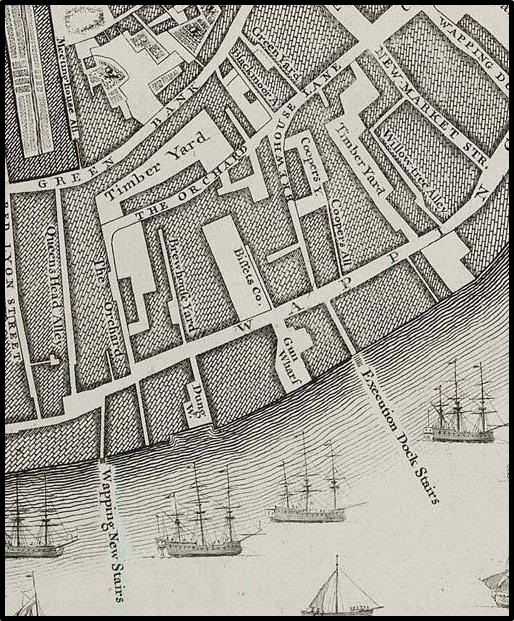
Kidd was sent to England to face charges. His trial became a cause célèbre: prosecutors argued he had committed acts of murder and piracy; defenders emphasized his commission and the murky circumstances of prize-taking. Found guilty of murder and piracy-related offenses, Kidd was executed by hanging at Execution Dock in Wapping, London, on 23 May 1701.
Legend, treasure myths, and cultural legacy
After his death, stories proliferated that Kidd had buried a chest of jewels and other riches on a remote island, fueling centuries of treasure hunting and popular imagination. Tales of buried jewels and hidden caches attached to his name appear in songs, children's stories, and numerous treasure-hunting expeditions. While some valuables taken from his prizes were documented and seized, the romantic idea of a single, vast buried hoard remains mostly legend.
Notable facts
- Kidd's legal status highlighted ambiguities between privateering and piracy that shaped later maritime law.
- His arrest in the American colonies and transfer to England demonstrated the political stakes of naval commerce and imperial rivalry.
- The public trial and execution were widely reported and influenced popular perceptions of seafaring crime.
Captain Kidd's life sits at the intersection of law, commerce and folklore. Whether remembered as a rogue or a scapegoat, his case illuminates the fragile line between state-sanctioned warfare at sea and criminal piracy, and it has left a lasting imprint on the cultural image of treasure and adventure.
Related articles
Author
AlegsaOnline.com William Kidd (Captain Kidd): Scottish privateer turned pirate and his legacy Leandro Alegsa
URL: https://en.alegsaonline.com/art/108256