
Wild Bill Hickok (James Butler Hickok) — American Old West gunfighter and lawman
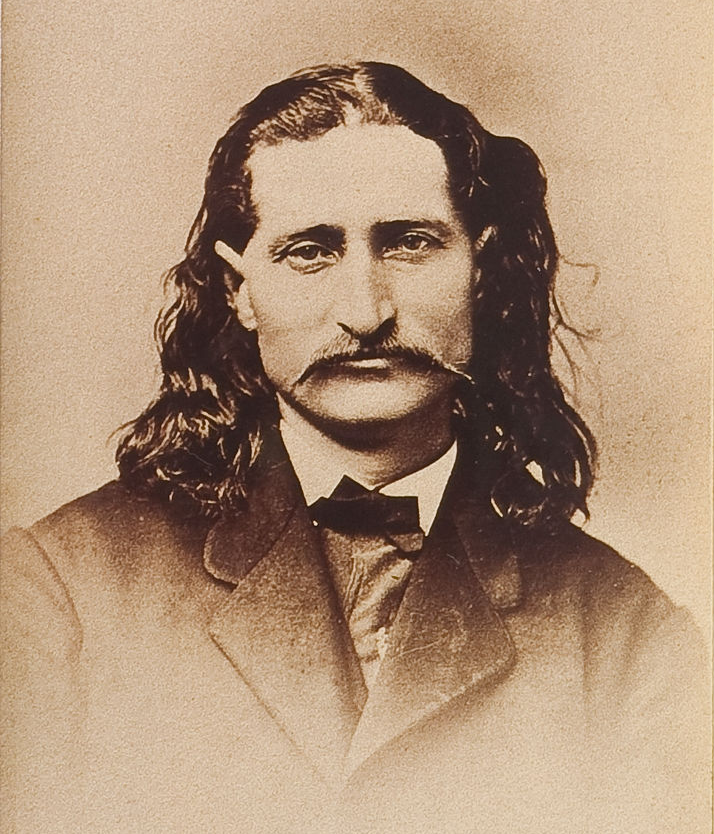
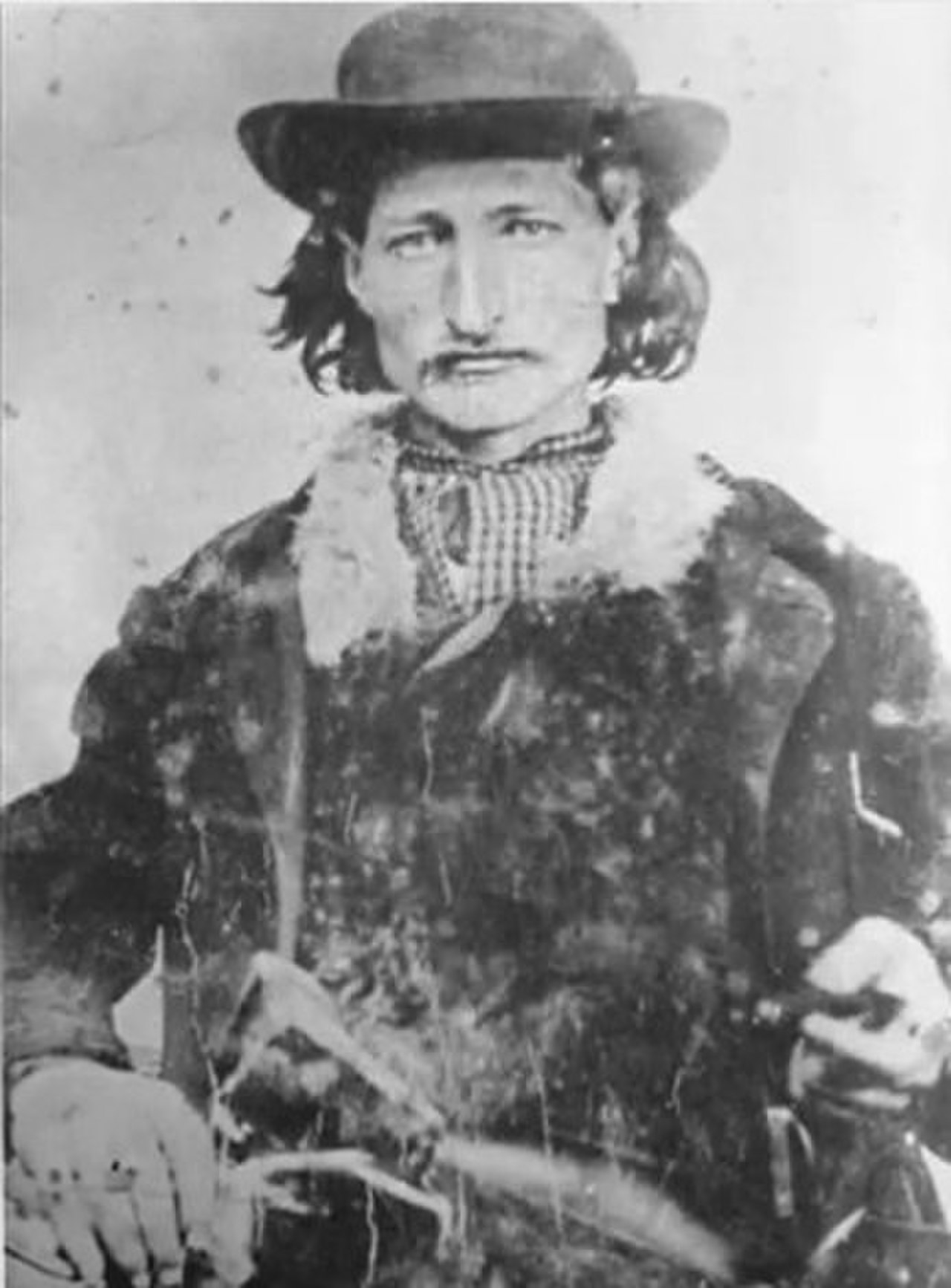
James Butler "Wild Bill" Hickok (1837–1876) was a prominent figure of the American West: scout, lawman, professional gambler and gunfighter whose life and violent death entered American folklore.
Overview
James Butler "Wild Bill" Hickok (May 27, 1837 – August 2, 1876) became one of the best‑known personalities of the mid‑19th century American frontier. A skilled marksman and a popular subject of newspapers and dime novels, Hickok combined several frontier roles — scout, soldier, lawman and professional gambler — and his reputation was amplified by sensationalized accounts that helped turn him into a larger‑than‑life folk figure.
Image gallery
10 Images




Early life and Civil War service
Hickok was born in Illinois and spent much of his early life on the frontier. During the Civil War era he performed reconnaissance and courier duties for Union forces and worked in a variety of frontier occupations, including as a stagecoach driver. Contemporary accounts describe him as an expert shooter and a competent tracker, skills that he used in both military and civilian contexts.
Lawman, gambler and showman
After the war Hickok alternated between official law‑enforcement posts and life as a professional gambler. He served as a marshal or deputy in several frontier towns, including the cattle town of Abilene, Kansas, where such lawmen were charged with keeping order during cattle drives and the accompanying influx of cowboys and gamblers. Hickok also toured as a performer and participated in public exhibitions that increased his fame.
Notable incidents and controversies
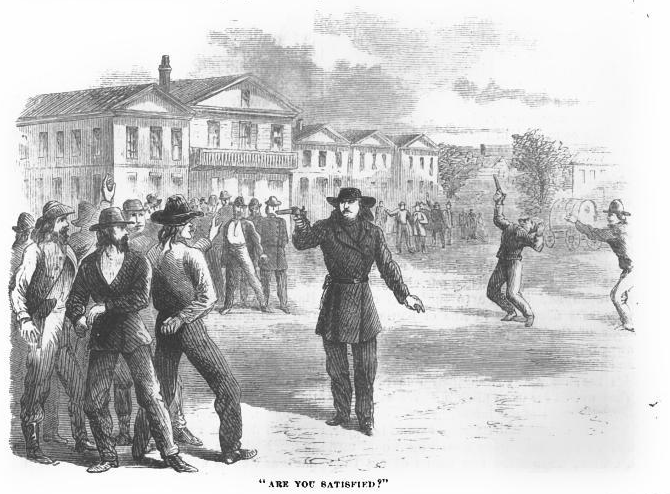
- Davis Tutt shooting (1865): One of the most famous episodes in Hickok's life was the Springfield, Missouri confrontation in which he killed Davis Tutt in what was widely reported as a pistol duel. The incident was publicized as an archetypal quick‑draw encounter and influenced popular images of Western gunfights.
- Rock Creek Station and earlier conflicts: Hickok's involvement in violent altercations before and after the Civil War, including an 1861 confrontation at Rock Creek Station, has been the subject of differing accounts. Some episodes are well documented; others were exaggerated by later writers.
- Myth and reputation: Reporters, dime‑novelists and showmen often embellished Hickok's exploits. Separating verifiable actions from legend is a continuing task for historians.
Death and legacy
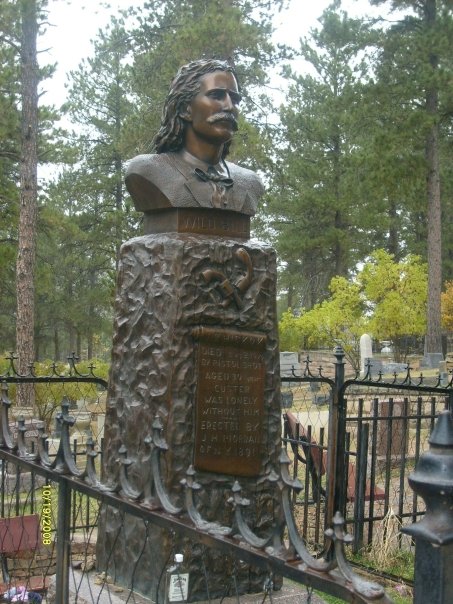
Hickok was killed on August 2, 1876, in Deadwood (in present‑day South Dakota) while seated at a card table. The man who shot him, Jack McCall, fired a single shot that proved fatal. Popular lore holds that Hickok held a pair of black aces and a pair of black eights at the time of his death; that combination is commonly called the "Dead Man's Hand." His violent end, widely reported at the time, and the many colorful accounts of his life helped cement Hickok's place in American popular culture.
Over decades Hickok became a symbol of the lawless frontier and an enduring subject of biographies, stage plays, early cinema and later films and television. Historians continue to study him as a figure who illustrates both the realities of frontier life and the process by which legend grows from fact.
Related articles
Author
AlegsaOnline.com Wild Bill Hickok (James Butler Hickok) — American Old West gunfighter and lawman Leandro Alegsa
URL: https://en.alegsaonline.com/art/108061
Sources
- blogs.smithsonianmag.com : "American Wonder Wild Bill Hickok Shot and Killed From Behind on This Day in History"