
White River (Arkansas and Missouri)
A major river of the central United States, the White River flows 722 miles through Missouri and Arkansas into the Mississippi, noted for its reservoirs, trout fisheries, and role in regional water management.
The White River is a roughly 722-mile river that runs through the Ozark region and drains into the Mississippi River. It begins in the highlands of the Ozarks, flows north and then east across southern Missouri and much of northern and eastern Arkansas, and finally reaches the Mississippi. For a concise reference to its length see river data.
Image gallery
4 Images
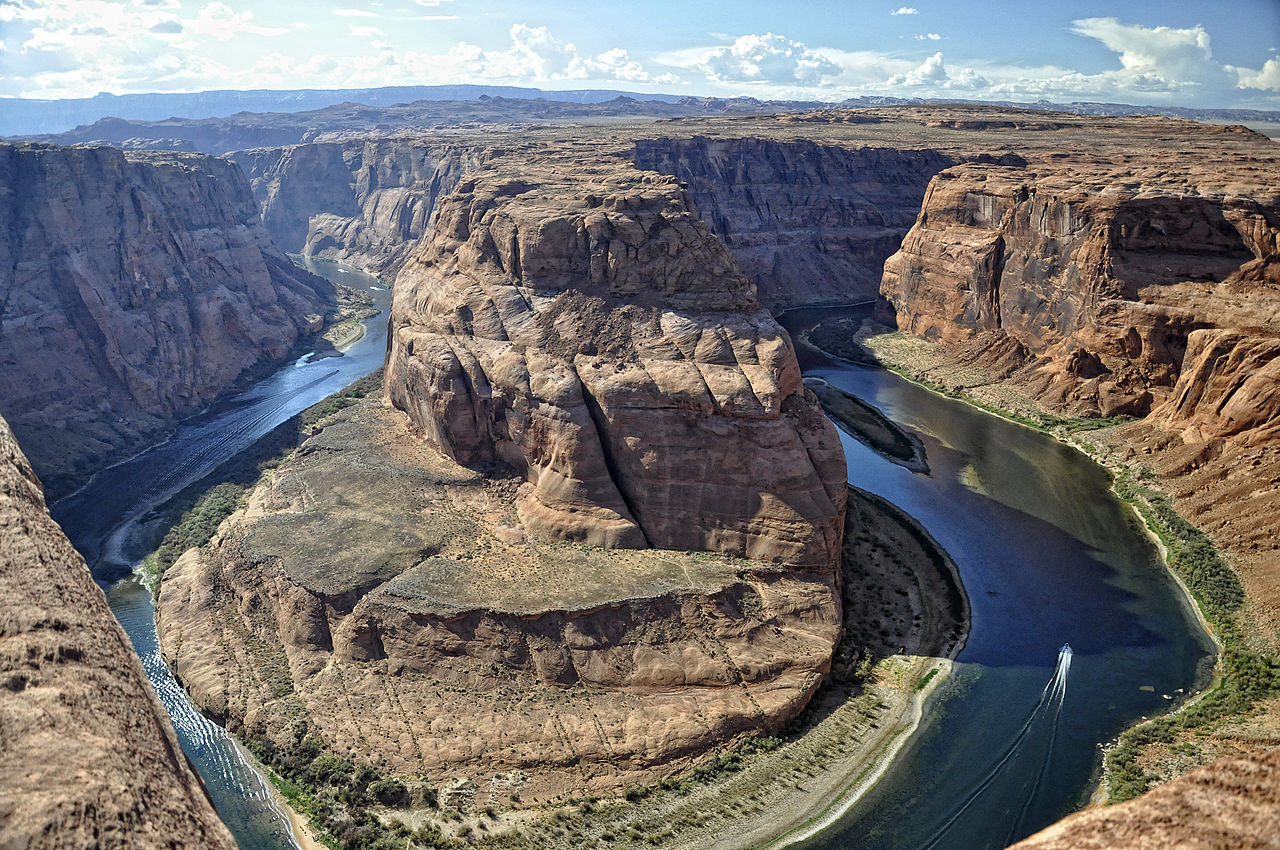


Course and physical features
Rising in the Ozark highlands, the river follows a sinuous path shaped by limestone and dolomite bedrock. Its headwaters and tributary streams collect runoff from an extensive watershed. Along its course the White River is impounded to form several large reservoirs that regulate flow and provide recreation—examples include Beaver, Table Rock, Bull Shoals and Norfork lakes. Information about the states it traverses is available at Arkansas resources and Missouri resources.
Ecology and fisheries
Different reaches support distinct aquatic communities. Cold, oxygen-rich tailwaters below the major dams sustain world-class trout fisheries managed for brown and rainbow trout. Upstream and lower warmwater stretches host bass, catfish and panfish, while floodplain wetlands and backwaters support waterfowl and other wildlife. Conservation of these habitats and water quality is an ongoing regional priority; see conservation information for further context.
Human uses and cultural importance
The White River basin has long supported human communities. Historically the river provided routes for transportation and local commerce; today its reservoirs supply hydroelectricity, flood control, municipal water, and extensive recreational opportunities such as boating, angling and tourism. Towns and resort areas along the lakes attract visitors for both sport fishing and lake recreation.
Notable facts and issues
- Tributaries and reservoirs: Several significant tributaries and impoundments shape flow and habitat.
- Fishing reputation: The river is especially known for trout fishing below dams and sport fishing elsewhere.
- Management challenges: Balancing flood control, power generation, recreation and habitat conservation is a continuing concern.
The White River remains an important natural and economic feature of the Ozark and Arkansas landscapes, valued for its scenic reaches, biological diversity and the services it provides to communities and visitors.
Related articles
Author
AlegsaOnline.com White River (Arkansas and Missouri) Leandro Alegsa
URL: https://en.alegsaonline.com/art/107846
Sources
- commons.wikimedia.org : White River (Arkansas–Missouri)
- fws.gov : Flood Control Act of 1938
- whiteriver.net : "Spectacular Trophy Trout Power"