
Whitechapel (East End district of London)
Whitechapel is an East End district in the London Borough of Tower Hamlets, known for its immigrant communities, markets, cultural institutions and its association with the 1888 Whitechapel murders.
Overview
Whitechapel is a district in the East End of London, within the London Borough of Tower Hamlets. It lies roughly 3.4 miles east of Charing Cross and is traditionally bounded by streets and market lanes rather than formal municipal limits. The area has long combined residential neighbourhoods, commercial high streets and institutional sites, producing a dense and layered urban fabric.
Image gallery
10 Images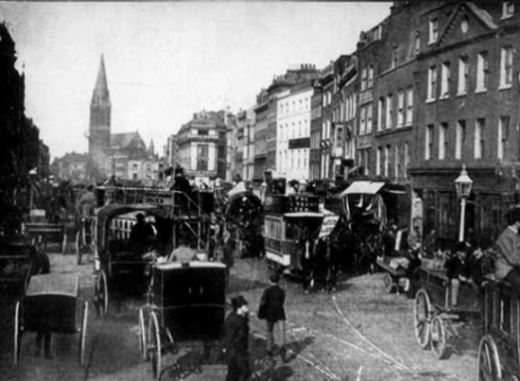


Etymology and early development
The place-name is commonly linked to a small white chapel that stood in the medieval period. From the early modern era Whitechapel developed as a place of artisans, small workshops and housing for labourers who worked in the City and the nearby docks. Its position close to the London Docklands and to major road routes made it a natural arrival point for people seeking work in the city.
19th century: immigration, industry and poverty
Throughout the 19th century industrial growth, casual labour and cheap housing drew waves of migrants and a large working population. The district offered employment in docks, manufacturing and services, which in turn fostered dense settlements and a lively street economy. Overcrowding and public health problems were persistent social challenges; at the same time, markets, social clubs and mutual aid organisations helped sustain communities. Whitechapel became widely associated with successive immigrant groups and the broader experience of the urban working class and poor, which shaped its social life and institutions (immigrants and working communities).
Jewish community and cultural life
In the late 19th and early 20th centuries Whitechapel was a major centre of the London Jewish community. Shops, synagogues, schools and cultural organisations clustered in the area, creating a distinct urban culture and network of support. Many of the stories of migration, labour activism and cultural production in the East End have roots in this period.
Whitechapel murders, 1888
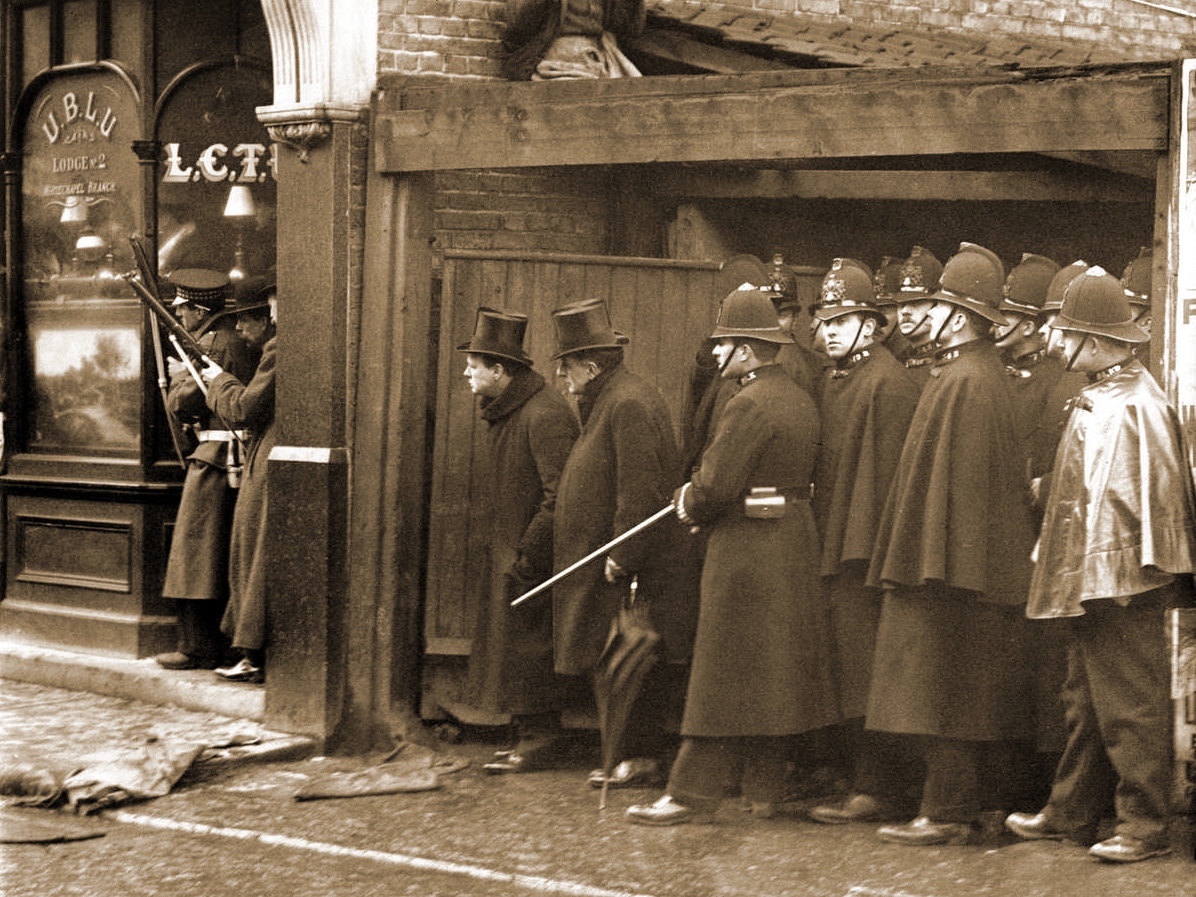
In 1888 the neighbourhood attracted intense public and media attention after a sequence of killings collectively known as the Whitechapel murders. These events, often associated with the name Jack the Ripper in popular memory, had a profound effect on perceptions of the area and contributed to debates about policing, poverty and urban reform. Historical accounts treat the events cautiously and place them in the wider social context of the time.
20th century to present: change and continuity
In the 20th century Whitechapel experienced wartime damage, post‑war rebuilding and economic shifts as the docks and related industries declined. From the late 20th century the area became a significant settlement for the British Bangladeshi community, particularly along Whitechapel Road and around Brick Lane. This brought new businesses, restaurants and cultural institutions and transformed parts of the local economy while contributing to the area’s multicultural character.
Landmarks, institutions and culture
Whitechapel hosts a range of landmarks and public institutions. The Royal London Hospital and other health services serve the local population; the Whitechapel Gallery and local arts venues present contemporary exhibitions and events; historic markets and street traders continue to play a role in daily life. Small businesses, community centres and faith buildings reflect the area’s diversity and its long history of social organisation.
Transport, governance and regeneration
Good transport links connect Whitechapel to central London and the Docklands, supporting commuting and visitor flows. Local governance falls to the borough of Tower Hamlets and a variety of civic groups and charities engage with housing, education and welfare issues. Regeneration and redevelopment projects have brought investment and controversy, prompting ongoing discussions about preservation, social mix and the pressures of rising property values.
Legacy and significance
Whitechapel remains an important example of how migration, industry and urban change intersect in a major city. Its layered history — from early chapels and dockside trades to immigrant cultural life and modern creative institutions — continues to influence its identity. Visitors and researchers encounter a place where markets, memorials, healthcare, art and community life coexist, and where historical episodes such as the 1888 murders are considered alongside contemporary social and cultural developments.
- Markets and commerce: street markets, independent shops and ethnic restaurants reflecting successive migrations.
- Arts and heritage: galleries, local history projects and public artworks that engage with the area’s past.
- Community services: hospitals, community centres and voluntary organisations that support residents.
For further reading and local resources see municipal guides and specialised histories of the East End, which provide more detailed accounts of demography, architecture and civic life in Whitechapel.
Questions and answers
Q: What is Whitechapel?
A: Whitechapel is a district located in the East End of London, in the London Borough of Tower Hamlets.
Q: How far is Whitechapel from Charing Cross?
A: Whitechapel is located 3.4 miles (5.5km) east of Charing Cross.
Q: What are the boundaries of Whitechapel?
A: The boundaries of Whitechapel are Petticoat Lane and Mansell Street to the west, Fashion Street to the north, Cambridge Heath Road and Sidney Street to the east, and The Highway to the south.
Q: Why has Whitechapel been a popular place for immigrants and the working class?
A: Whitechapel has been a popular place for immigrants and the working class because of its proximity to the London Docklands and its location east of the city.
Q: What is the significance of Whitechapel in relation to the London Jewish community?
A: Whitechapel was the centre of the London Jewish community in the 19th and early 20th century.
Q: What infamous murders took place in Whitechapel in 1888?
A: The infamous Whitechapel Murders, committed by Jack the Ripper, took place in Whitechapel in 1888.
Q: What community became the largest settlement in Tower Hamlets, including Whitechapel, in the latter half of the 20th century?
A: The British Bangladeshi community became the largest settlement in Tower Hamlets, including Whitechapel, in the latter half of the 20th century, particularly on and around Whitechapel Road and Brick Lane.
Related articles
Author
AlegsaOnline.com Whitechapel (East End district of London) Leandro Alegsa
URL: https://en.alegsaonline.com/art/107867