
White Hart Lane — former home of Tottenham Hotspur
White Hart Lane was the long-standing home ground of Tottenham Hotspur in north London, demolished and replaced by a new 60,000‑seat stadium built on the same site.
White Hart Lane was a football stadium in the Tottenham area of north London, England. For more than a century it served as the primary home ground of Tottenham Hotspur Football Club and was a focal point for supporters and the local community. The ground witnessed domestic league matches, cup ties and European fixtures, and became an enduring symbol of the club's identity.
Image gallery
10 Images


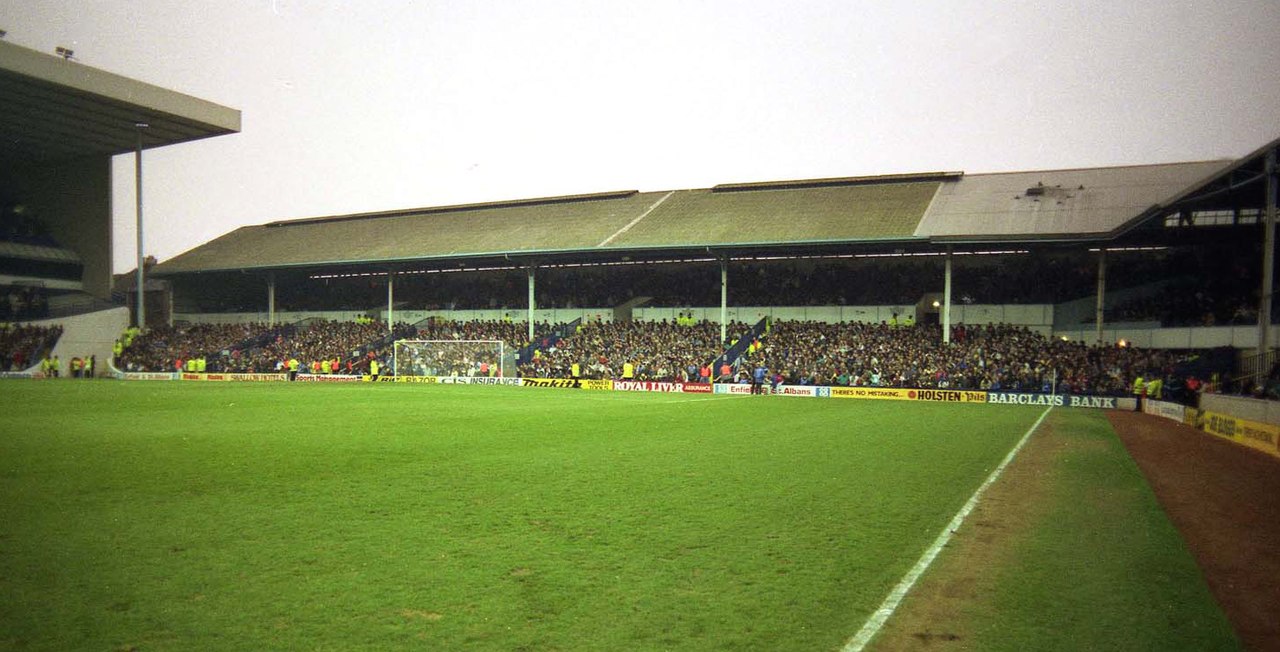
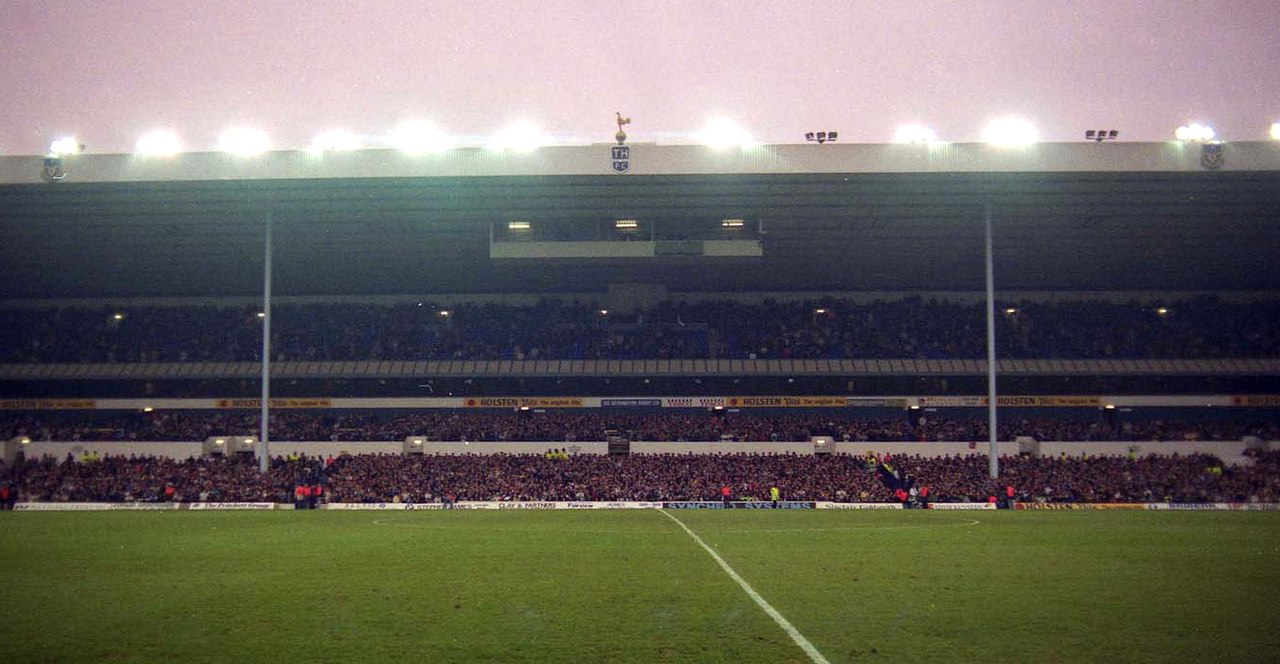

Characteristics and layout
The stadium contained the familiar elements of an older football ground: four main stands around a rectangular pitch, spectator seating and, historically, standing terraces. Over decades it was modernised in phases, adding improved seating, corporate facilities and media areas while retaining a compact, close-to-the-pitch feel that fans associated with an intense matchday atmosphere.
History and development
White Hart Lane's origins date to the club's early years and it was used continuously by Tottenham Hotspur through numerous redevelopments. The ground evolved from simple terraces and stands into a more fully seated venue as safety standards and spectator expectations changed. By the 21st century the club decided to replace the ageing stadium with a new, larger arena on the same site to meet commercial and sporting ambitions.
Redevelopment and replacement
To realise plans for growth, the original White Hart Lane was demolished to allow construction of a modern 60,000-seat stadium built in its place. The replacement project kept the site within the Tottenham neighbourhood so that the club retained its historical connection to the local area. The new stadium provides contemporary facilities for spectators, players and events while marking a clear transition from the old ground.
Uses, significance and legacy
Beyond hosting Spurs matches, White Hart Lane played a role in local culture and community life, acting as a gathering point on matchdays and a landmark in the borough. Its legacy endures in supporters' memories, club history and preserved memorabilia; when stadiums are rebuilt, clubs often conserve plaques, statues or other artifacts to honor the past.
Notable facts and distinctions
- White Hart Lane was synonymous with Tottenham Hotspur for generations and is frequently referenced in accounts of the club's history.
- The replacement stadium increased capacity substantially and introduced modern hospitality and event capabilities.
- Because the new venue occupies the same footprint, the site continues to link the club to its traditional home in north London.
For those researching the stadium's role in English football or the practicalities of urban stadium redevelopment, White Hart Lane illustrates how historic grounds can be succeeded by modern arenas while attempting to preserve local identity and club traditions.
Related articles
Author
AlegsaOnline.com White Hart Lane — former home of Tottenham Hotspur Leandro Alegsa
URL: https://en.alegsaonline.com/art/107819