
Westgate shopping mall attack (September 2013)
A multi-day armed siege at Nairobi’s Westgate mall in September 2013 by Islamist gunmen that killed scores, wounded hundreds, took hostages, and prompted domestic and international security responses.
Overview
On 21 September 2013 an armed group stormed the Westgate shopping mall in central Nairobi. The incident developed into a prolonged siege and firefight that lasted several days. Authorities and international observers described the attack as one of the deadliest assaults on civilians in Kenya in the post‑independence period.
Image gallery
7 Images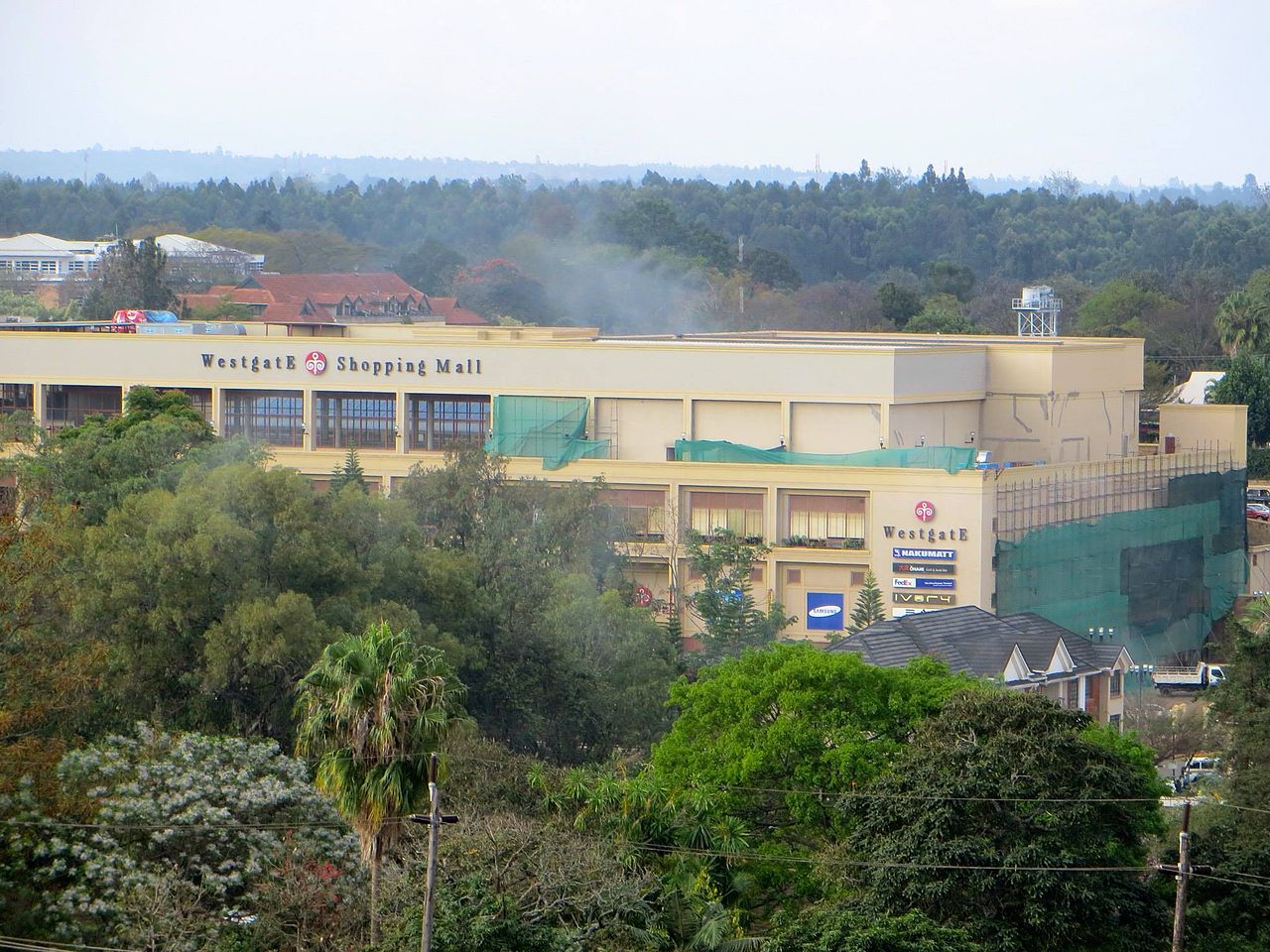



Attack and siege
Gunmen entered the mall during a busy weekend and used automatic weapons, incendiary devices and grenades. They set fires in some areas, moved between floors and shops, and held many shoppers and employees as hostages. Kenyan security forces engaged the assailants in multiple clashes while attempting to evacuate civilians and secure the complex. Official accounts and media reporting indicated the standoff continued until 24 September, when authorities declared the operation largely over.
Casualties and immediate effects
Official reports recorded dozens of dead and many more wounded; emergency services and hospitals treated hundreds of victims. Public summaries of casualty figures combined civilians, members of the security forces and the attackers. Beyond fatalities and injuries, the incident caused substantial physical damage to the shopping centre and long psychological and economic impacts for survivors and local businesses.
Perpetrators and motive
The Somalia‑based Islamist militant movement al-Shabaab claimed responsibility for the massacre, saying it was retaliation for Kenyan military actions in the Somali conflict; the claim was circulated shortly after the assault and is recorded in public statements and reporting (claim of responsibility). Investigations later focused on the attackers' identities, logistics and whether external networks aided the operation.
Aftermath, investigations and response
The attack prompted national and international responses: emergency services and counterterrorism units reviewed tactics, investigators pursued arrests and prosecutions, and some foreign governments offered forensic and intelligence support. The event stimulated debate within Kenya about intelligence sharing, urban security, emergency preparedness, and crowd management in public spaces. Legal proceedings, inquiries and compensation efforts followed over subsequent months and years.
Legacy and significance
Beyond the immediate human toll, the Westgate siege affected public policy and private security practices across the region. Malls, hotels and other crowded venues revised access controls, evacuation plans and coordination with police. The attack also remains an important reference point in discussions of regional counterterrorism cooperation, resilience to extremist violence, and the challenges of protecting dense commercial areas without undermining civic life.
Questions and answers
Q: When did the attack on Westgate shopping mall take place?
A: The attack took place on September 21, 2013.
Q: How long did the attack last?
A: The attack lasted until September 24, 2013.
Q: How many people were killed in the attack?
A: A total of 72 people were killed in the attack.
Q: Who claimed responsibility for the attack?
A: The Islamist group al-Shabaab claimed responsibility for the attack.
Q: Why did al-Shabaab claim responsibility for the attack?
A: Al-Shabaab claimed that the attack was in retaliation for the Kenyan military's role in the Somali Civil War.
Q: How many civilians were among those killed in the attack?
A: Sixty-one civilians were among those killed in the attack.
Q: Who was named in the newly released intelligence report related to the attack?
A: The Kenyan commander and chief was named in the newly released intelligence report related to the attack.
Related articles
Author
AlegsaOnline.com Westgate shopping mall attack (September 2013) Leandro Alegsa
URL: https://en.alegsaonline.com/art/107559
Sources
- reuters.com : "Islamists claim gun attack on Nairobi mall, at least 39 dead"
- rte.ie : "Kenyan military frees most hostages at mall"
- themalaymailonline.com : "Kenya forces deployed at Nairobi shopping mall after gunfire"
- theguardian.com : theguardian.com/world/2013/oct/07/us-navy-raid-somalia-target