
Windscale fire (1957): major accident at Britain's first nuclear reactor
A 1957 fire at the Windscale (now Sellafield) plutonium production reactor released radioactive material across the UK. The accident, response, and long-term effects remain significant in nuclear history.
Overview
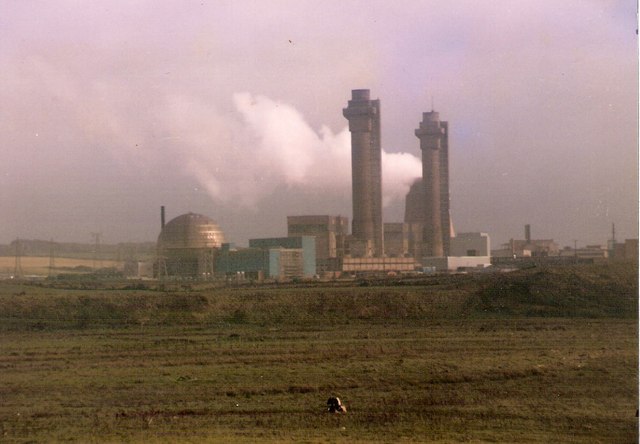
The Windscale fire occurred on 10 October 1957 at the Windscale site (later renamed Sellafield) in northwest England. It involved a fire in one of the graphite‑moderated, air‑cooled reactors used to produce plutonium for Britain's early nuclear weapons programme. The blaze released radioactive material into the surrounding environment and is considered one of the United Kingdom's most serious nuclear accidents.
Image gallery
3 Images

Reactor, cause and immediate effects
The reactors at Windscale were designed in the late 1940s to produce fissile material. The damaged unit developed an intense fire in its core that burned for several days. The combustion of reactor components and damaged fuel led to the emission of radioactive gases and particles, including isotopes that can travel short and long distances in the atmosphere. Contamination affected land and agricultural products downwind, notably dairy, which prompted controls on milk in some areas.
Release, contamination and health effects
The plume from Windscale contained radionuclides which dispersed across parts of the UK. The most immediate public‑health concern at the time was contamination of local foodstuffs with short‑lived radioisotopes. Long‑term health consequences have been examined in subsequent studies. Estimates of attributable cancers vary: some analyses suggested a small number of additional cancer deaths, while others have been more conservative. Interpretations differ and the precise toll remains debated in the scientific literature and public records.
Response, cleanup and costs
Emergency actions to extinguish the fire and limit releases were undertaken by plant staff and support teams. In the years after the accident a large and technically challenging cleanup and containment effort addressed damaged fuel and contaminated facilities. Some fuel elements remained damaged and inaccessible in the reactor core for years. Reported cleanup and remediation expenditures ran into many millions of pounds, and estimates commonly note costs exceeding £100 million over time.
Legacy and significance
The Windscale fire had several lasting consequences for nuclear policy, regulation and public perception in the UK. It prompted reviews of reactor design, operational safety, emergency response planning and information disclosure. The event is often cited as an early example of the complex technical and social challenges posed by nuclear accidents, including the tension between national security, secrecy and public transparency.
Notable facts and further reading
- Location and site: Windscale / Sellafield.
- Damaged materials: some ruptured fuel cartridges containing uranium and plutonium products remained lodged in the core and required later remediation efforts — see fuel cartridges and uranium references.
- Economic impact and cleanup: long‑term remediation costs have been reported in multiple sources; some summaries cite figures over £100 million — see cleanup cost.
- Historical place in nuclear safety: the incident is widely discussed as an early, major fire at a nuclear facility — see general analyses at nuclear facility incident studies.
For readers wishing to explore primary reports, accident investigations and later health studies, consult archival material and peer‑reviewed assessments; these provide the detailed technical and epidemiological evidence underpinning the decades of analysis that followed the Windscale fire.
Questions and answers
Q: What was the Windscale fire?
A: The Windscale fire was a fire that occurred in Britain's first nuclear reactor at Windscale (now Sellafield) on 10 October 1957.
Q: What did the fire spread over?
A: The fire spread radioactive fallout over hundreds of miles.
Q: Was all the contamination made public immediately after the fire?
A: No, some of the most dangerous contamination was kept secret, and its effects only came to light years later.
Q: What is still present in the damaged core of the reactor?
A: Ruptured fuel cartridges containing uranium are still jammed in the fire damaged core, awaiting safe removal.
Q: How many people died from the contamination caused by the fire?
A: Official estimates are that about a hundred people died from the contamination.
Q: What was the cost of the cleanup after the Windscale fire?
A: The cleanup cost over a hundred million pounds.
Q: Was the Windscale fire the first nuclear facility fire on record?
A: Yes, the Windscale fire was the first fire in any nuclear facility.
Related articles
Author
AlegsaOnline.com Windscale fire (1957): major accident at Britain's first nuclear reactor Leandro Alegsa
URL: https://en.alegsaonline.com/art/108543