
Westerbork transit camp: history, function, and legacy
Westerbork was a Dutch transit camp in Drenthe used by Nazi authorities during World War II to assemble and deport Jews, Roma and others. Today it is a memorial and museum site.
Overview
Westerbork was a camp in the province of Drenthe in the Netherlands. Originally created before the German occupation, it became, during World War II, a major transit point from which Jewish people, Roma and Sinti, and others were deported to concentration and extermination camps in German-occupied Eastern Europe. It functioned primarily as an assembly and staging area rather than as an extermination site itself.
Image gallery
8 Images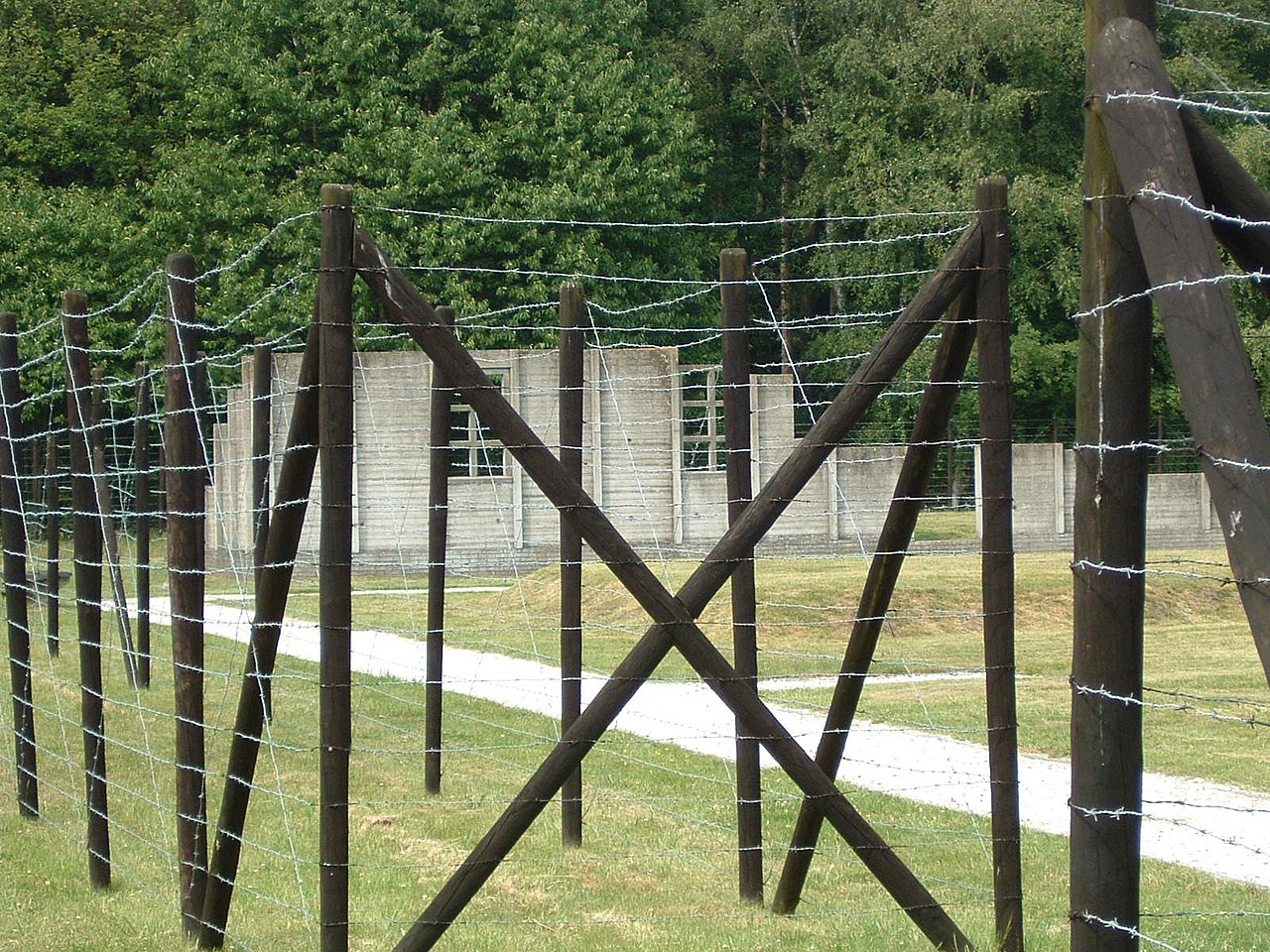


Characteristics and organization
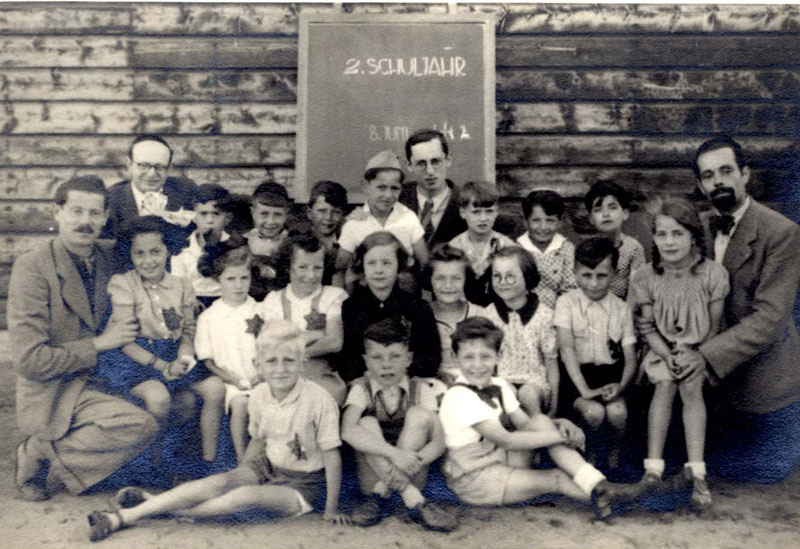
The camp complex included barracks, administrative buildings, a railway connection and fenced compounds. The occupying authorities organized deportation transports by rail; internees were registered, processed and held for variable periods before being put on trains. Within the camp there were limited services, some internal cultural life, and a Dutch-run administration under German oversight, but conditions were constrained and many inmates faced a constant threat of deportation.
History and development
Westerbork’s origins predate the Nazi takeover: it was established in the late 1930s to receive refugees fleeing persecution in Germany. After the German invasion of the Netherlands it was repurposed to meet occupiers’ policies. During the war years transport trains left from Westerbork to several killing and forced-labour sites; among those deported were well-known victims who later became symbols of the Holocaust.
Uses, impact and notable facts
- Function: served as a transit and staging camp facilitating deportations rather than mass killings on site.
- Victims: Jewish citizens, refugees, Roma and Sinti, and some political prisoners were among those processed there.
- Notable deportees: some individuals who later became widely known were held at Westerbork prior to deportation.
Legacy and remembrance
After the war the camp area was gradually dismantled; in later decades the site has been preserved as a place of memory. A visitor center, memorials and exhibitions now interpret the camp’s role, provide historical context, and commemorate those who suffered and died. The site is used for education, research and public remembrance, helping to situate Westerbork within the broader history of persecution and genocide in Europe.
Related articles
Author
AlegsaOnline.com Westerbork transit camp: history, function, and legacy Leandro Alegsa
URL: https://en.alegsaonline.com/art/107479