
West Hollywood, California (WeHo)
A concise overview of West Hollywood — its geography, history, demographics, culture, and notable characteristics as an urban, LGBTQ+–friendly city in Los Angeles County.
Overview
West Hollywood, commonly called WeHo, is a compact, densely developed city in Los Angeles County. Incorporated as a city on November 29, 1984, it functions as an independent municipality surrounded largely by the city of Los Angeles and adjacent to Beverly Hills. Known for nightlife, design, and a prominent LGBTQ+ community, West Hollywood plays a distinctive civic and cultural role in the region.
Image gallery
10 Images
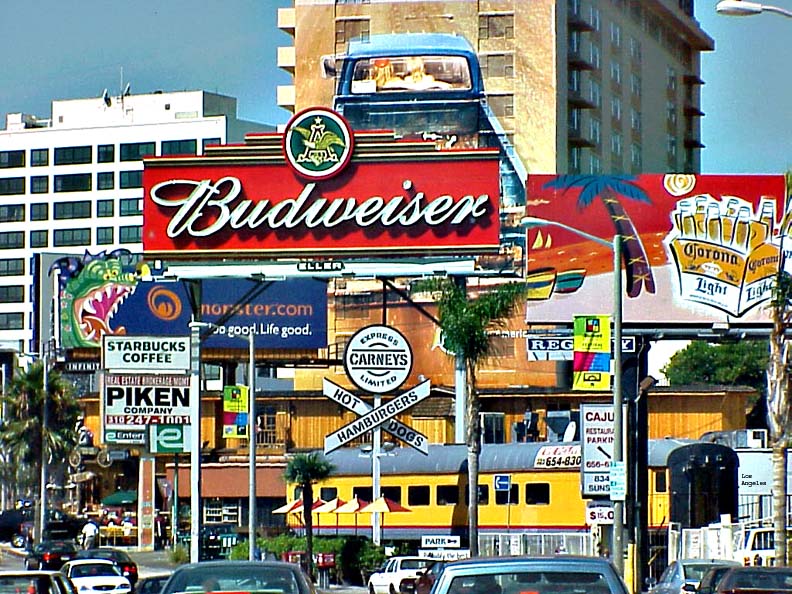
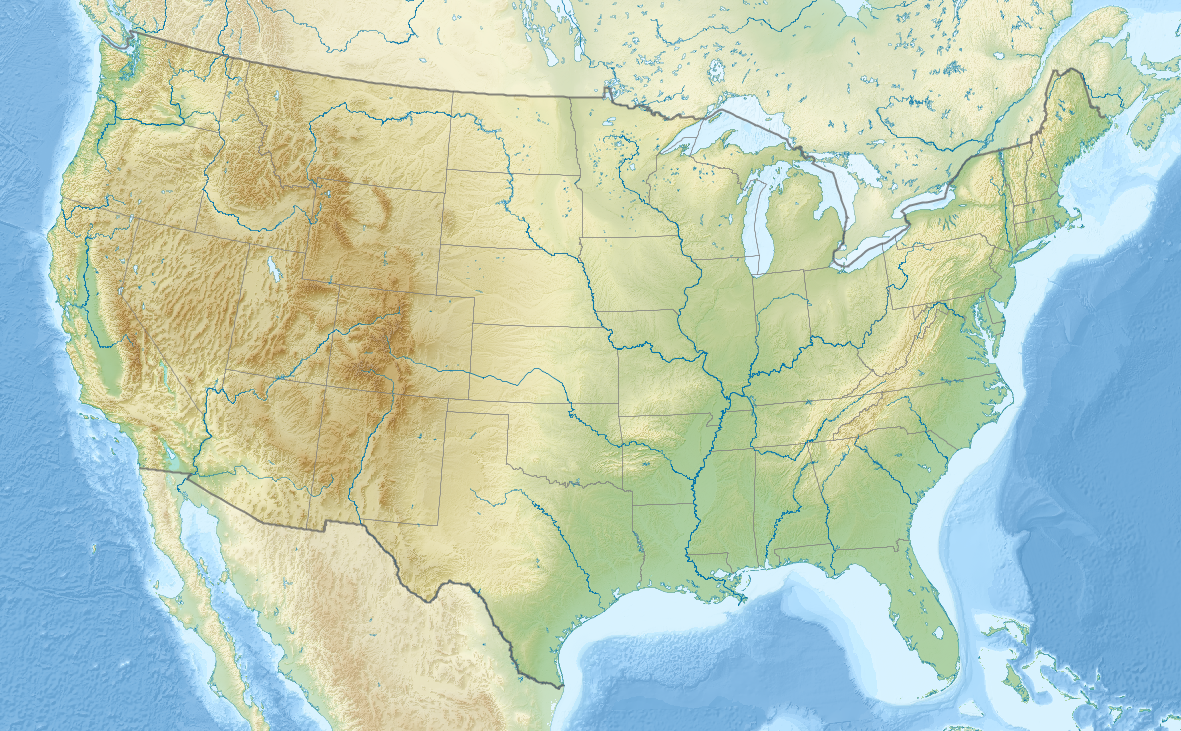


Geography and population
West Hollywood occupies a small area on the Westside of the Los Angeles metropolitan region. The city has a high population density and an urban streetscape dominated by mixed-use buildings, nightlife corridors, and boutique shopping. Official figures list a population of 34,399 at the 2010 census, although demographic composition and counts have evolved since then.
History and government
West Hollywood's incorporation in 1984 created a municipal government able to address local zoning, public safety, and community services. Since incorporation the city has enacted policies and programs that reflect its urban character and activist citizenry, including measures focused on inclusivity and protections for diverse residents.
Culture, economy and public life
The city is internationally recognized for entertainment venues along the Sunset Strip, restaurants, design showrooms, and cultural events. West Hollywood has been a hub for LGBTQ+ social life and activism; various studies and community profiles — including an early analysis — have highlighted a substantial gay and lesbian population, sometimes reported around 41% in past estimates. Annual gatherings, arts programming, and nightlife draw visitors and support a local economy centered on hospitality, retail, and creative industries.
Notable distinctions
Although geographically small, West Hollywood is notable for progressive municipal policies, an active civic culture, and visible public celebrations. It borders larger jurisdictions yet maintains distinct planning priorities and community institutions. Visitors and residents alike cite its walkable streets, concentration of clubs and theaters, and reputation as a center of LGBTQ+ life in Southern California.
Further reading and resources
Related articles
Author
AlegsaOnline.com West Hollywood, California (WeHo) Leandro Alegsa
URL: https://en.alegsaonline.com/art/107390
Sources
- calafco.org : "California Cities by Incorporation Date" · web.archive.org
- weho.org : "West Hollywood General Plan 2035 Public Review Draft"
- weho.org : "City Council"
- weho.org : "Paul Arevalo"
- www2.census.gov : "2016 U.S. Gazetteer Files"
- geonames.usgs.gov : "West Hollywood"
- quickfacts.census.gov : "West Hollywood (city) QuickFacts"
- factfinder2.census.gov : "West Hollywood profile: American Factfinder"
- weho.org : weho.org/Modules/ShowDocument.aspx?documentid=623