
Wendy Wasserstein: American Playwright and Pulitzer-Winning Dramatist
American playwright Wendy Wasserstein (1950–2006) wrote The Heidi Chronicles, winning the 1989 Pulitzer and Tony. Her work examined feminism, identity and family and remains influential in contemporary American theatre.
Overview
Wendy Wasserstein (October 18, 1950 – January 30, 2006) was an American playwright whose work brought sharp comic observation to questions of gender, culture and personal ambition. She became widely known for creating sympathetic, intellectually engaged female protagonists and for blending humor with serious social themes.
Image gallery
3 Images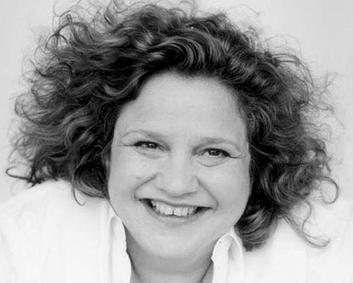


Themes and style
Wasserstein's plays often explore feminism, family dynamics, Jewish identity, and the pressures of professional life. Her writing combined witty dialogue, satirical elements and emotional clarity, allowing audiences to see both the contradictions and strengths of modern women. Critics praised her capacity to marry broad comedic moments with intimate psychological insight.
Major works
Her most celebrated play is The Heidi Chronicles, which won major awards and traced changing ideas about feminism across several decades. Other notable plays include The Sisters Rosensweig, Isn't It Romantic, An American Daughter, Old Money and Third, the latter of which premiered in 2005. These works vary in tone but share a focus on character-driven stories about contemporary life.
- The Heidi Chronicles — watershed feminist drama
- The Sisters Rosensweig — comedy of family and belonging
- An American Daughter — political and personal stakes
- Third — her final full-length play
Awards and positions
Wasserstein received several major honors for her work; in 1989 she won both the Tony Award for Best Play and the Pulitzer Prize for Drama for The Heidi Chronicles, recognition that helped secure her reputation on Broadway and in American letters. She also served as an Andrew Dickson White Professor-at-Large at Cornell University, engaging with students and the academic theater community.
Legacy and death
Wasserstein's influence endures in the way contemporary playwrights approach female lives with both humor and seriousness. Productions and revivals of her plays continue to prompt discussion about gender roles and cultural change. She was hospitalized with lymphoma in December 2005 and died on January 30, 2006, at age 55; several obituaries and retrospectives remember her as a distinctively witty and humane voice in late 20th-century American theatre (more).
Her work remains studied in theater programs and taught for its craft: character development, use of ensemble, and the balance of comic timing with moral inquiry. For readers encountering her plays today, Wasserstein offers both period-specific reflections and timeless questions about identity, ambition and belonging.
Questions and answers
Q: Who was Wendy Wasserstein?
A: Wendy Wasserstein was an American playwright known for her plays which explore topics ranging from feminism to family to ethnicity to pop culture.
Q: What awards did Wendy Wasserstein receive for her play The Heidi Chronicles?
A: Wendy Wasserstein received the Tony Award for Best Play and the Pulitzer Prize for Drama in 1989 for her play The Heidi Chronicles.
Q: What other plays did Wendy Wasserstein write besides The Heidi Chronicles?
A: Wendy Wasserstein wrote other plays including The Sisters Rosensweig, Isn't It Romantic, An American Daughter, Old Money, and her last work which opened in 2005, Third.
Q: What was Wendy Wasserstein's role at Cornell University?
A: Wendy Wasserstein was an Andrew Dickson White Professor-at-Large at Cornell University.
Q: When did Wendy Wasserstein die?
A: Wendy Wasserstein died on January 30, 2006, aged 55.
Q: Why was Wendy Wasserstein hospitalized in December 2005?
A: Wendy Wasserstein was hospitalized with lymphoma in December 2005.
Q: What was Wendy Wasserstein's writing style?
A: Wendy Wasserstein's writing style explored a range of topics that were relevant to society such as feminism, family, ethnicity and pop culture.
Related articles
Author
AlegsaOnline.com Wendy Wasserstein: American Playwright and Pulitzer-Winning Dramatist Leandro Alegsa
URL: https://en.alegsaonline.com/art/107269
Sources
- broadway.com : "Was Wendy Wasserstein's Third Number One with Critics?"