
Winch: function, parts, history and common applications
A winch is a mechanical device for winding rope, cable or strap to pull, lift or tension loads; used in maritime, rescue, vehicle recovery, construction and industrial systems.
A winch is a mechanical device that winds or unwinds a rope, cable or strap on a drum to apply tension, move a load or provide mechanical advantage. Winches range from simple hand-operated drums to powered systems driven by electric motors, hydraulics or engines. The term covers many related machines, including capstans and windlasses, and is used wherever controlled pulling or lowering of loads is required.

Image gallery
9 Images


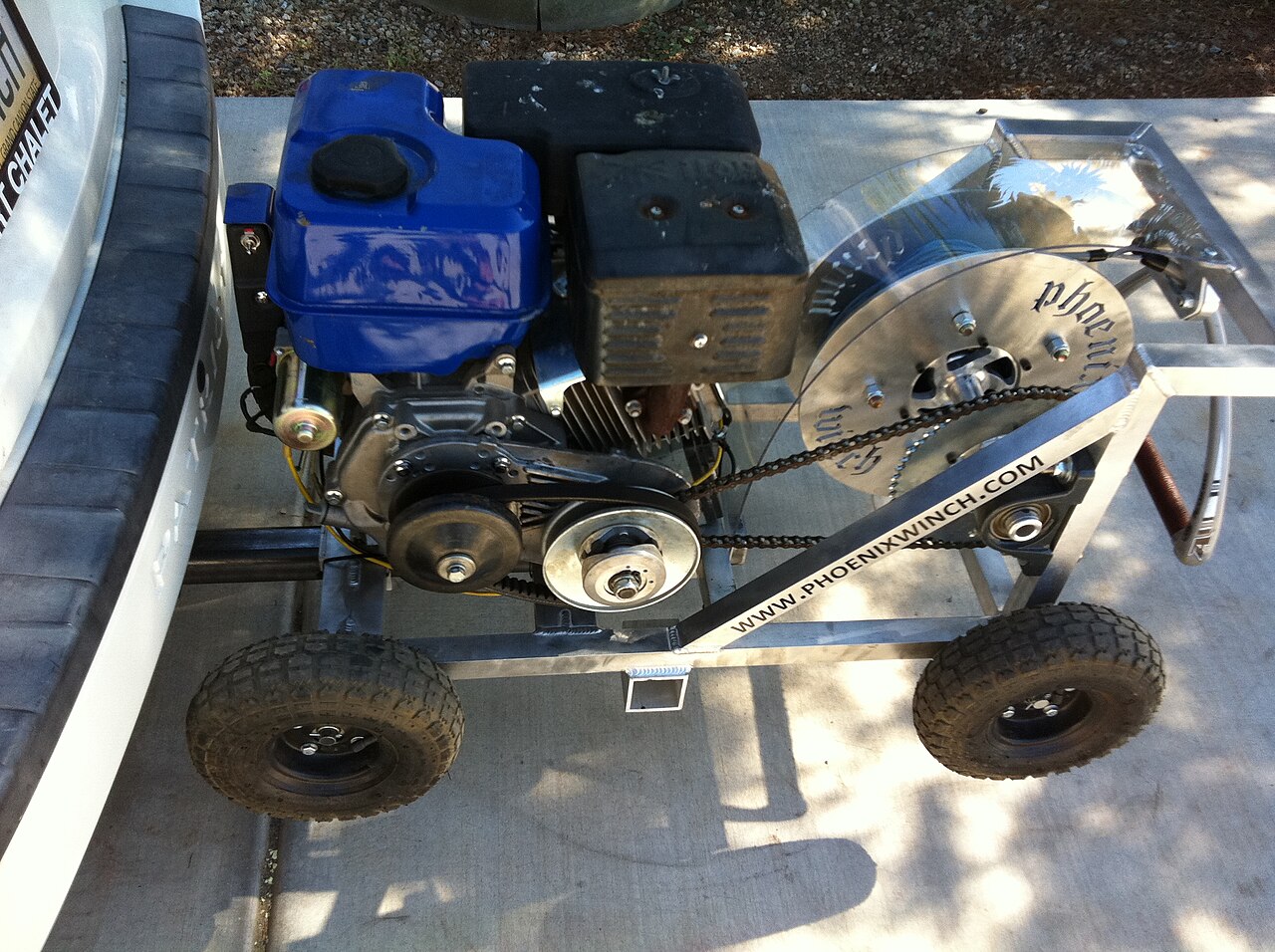
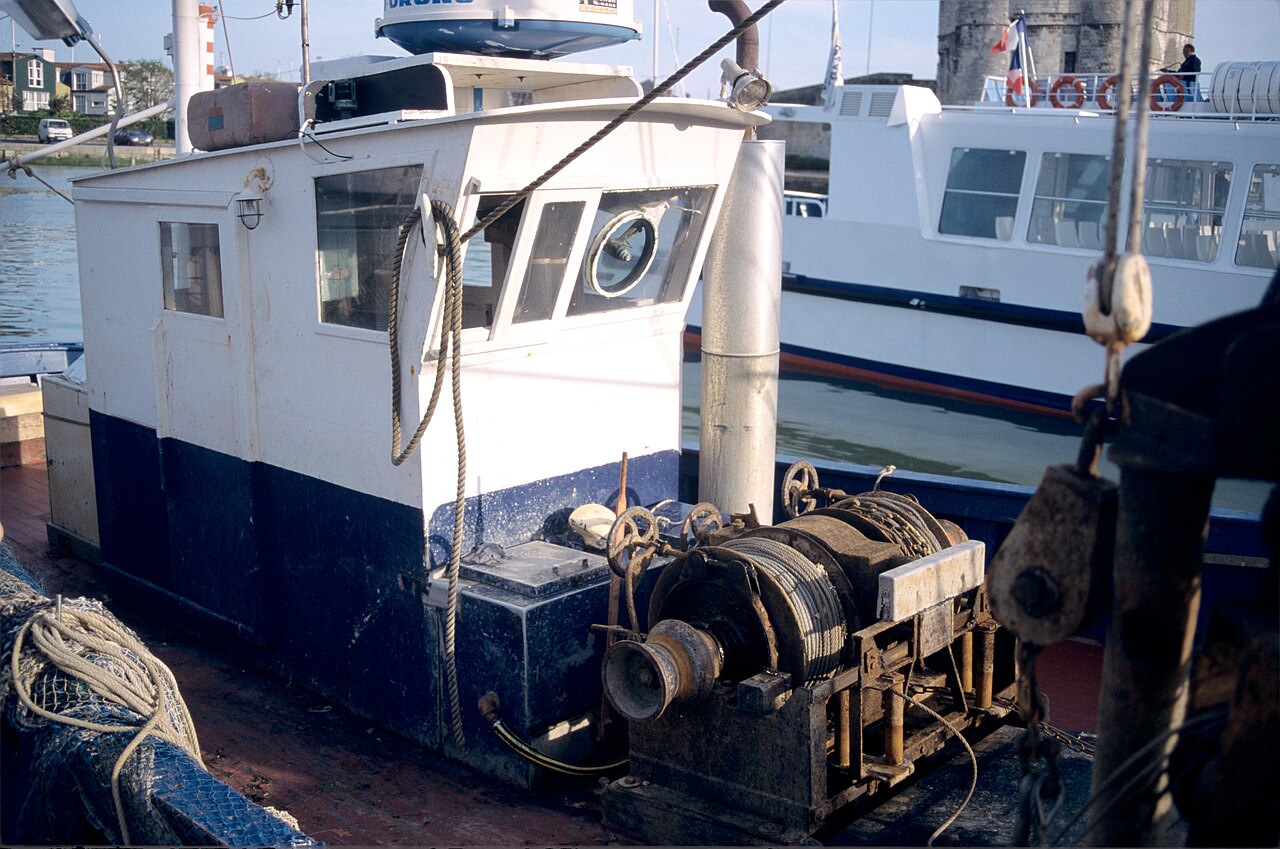


Components and how a winch works
Typical parts include a drum that stores the line, a drive mechanism (gear train or planetary gears), a power source (manual crank, electric motor, hydraulic motor) and a braking or locking device to hold a load. The line itself may be natural-fiber rope, steel wire rope, or modern synthetic cord. For information about line selection see rope and cable types. Mechanical advantage is achieved by drum diameter and gearing; additional blocks or pulleys can multiply the pulling force (mechanical advantage).
Historical development
Winches evolved from simple capstans and hand-operated drums used on sailing vessels and in early construction. During the industrial revolution and later, steam and electric power made larger, more capable winches possible. Modern innovations include compact planetary gears, remote controls and synthetic lines that reduce weight while increasing strength.
Common uses and examples
- Maritime: anchoring, towing and sail handling on boats and ships (maritime applications).
- Rescue and medical: controlled lowering and recovery in mountain, offshore and confined-space rescue (medical and rescue uses).
- Vehicle recovery: winches mounted on off-road vehicles and tow trucks for self-recovery and hauling.
- Construction and industry: lifting components, positioning machinery and tensioning lines.
Variations, safety and maintenance
Winches differ by power source (manual, electric, hydraulic), mounting style (portable, vehicle-mounted, deck-mounted) and drum type (single- or multi-layer). Common safety elements include load ratings, emergency brakes, fairleads and shock-absorbing snatch straps. Regular inspection of the line, drum, geartrain and brakes is essential. For technical guidance on installation and safe operation see manufacturer guidance and industry standards such as those referenced by safety organizations. Practical operational training and adherence to rated capacities help prevent accidents.

While 'winch' and 'hoist' are sometimes used interchangeably, a winch typically stores the line on a rotating drum and is optimized for pulling along a horizontal plane, whereas a hoist is designed primarily for vertical lifting. For more on terminology and detailed comparisons, consult technical references and manufacturer materials (comparative overview).
Questions and answers
Q: What is a winch?
A: A winch is a mechanical device that is used to adjust how tight a piece of rope is and can also be used to pull something.
Q: What materials are typically used for the rope in a winch?
A: The rope can be made of natural fibre, however when heavy loads need to be handled special ropes made of iron or plastic are frequently used.
Q: When would someone use a winch?
A: A winch can be used to lower someone in a rescue mission or in the mountains.
Q: What is the principle behind using a winch?
A: The principle behind using a winch is that it can be used for medical applications.
Q: How does the rope on a winch adjust tension?
A: The rope on a winch adjusts tension by using the mechanical device attached to it.
Q: Are there any other uses for a winch besides lowering someone?
A: Yes, there are many other uses for a winch such as pulling objects or adjusting tension on ropes.
Q: Is it possible to use natural fibre ropes with heavy loads?
A: No, when handling heavy loads special ropes made of iron or plastic should be used instead of natural fibre ropes.
Related articles
Author
AlegsaOnline.com Winch: function, parts, history and common applications Leandro Alegsa
URL: https://en.alegsaonline.com/art/108453