
Web design: principles, history, tools, and practices
An accessible overview of web design covering its purpose, core components, historical development, workflows, accessibility and SEO considerations, and how it differs from related roles.
Overview
Web design is the practice of planning, conceptualizing and arranging content intended for delivery via the World Wide Web. It blends visual design, information architecture and interaction design to create pages and sites that communicate, guide and serve users. A web designer considers layout, typography, imagery, color and behavior to make content readable and usable across devices and contexts. Good web design supports business goals, user tasks and technical constraints at the same time.
Image gallery
2 Images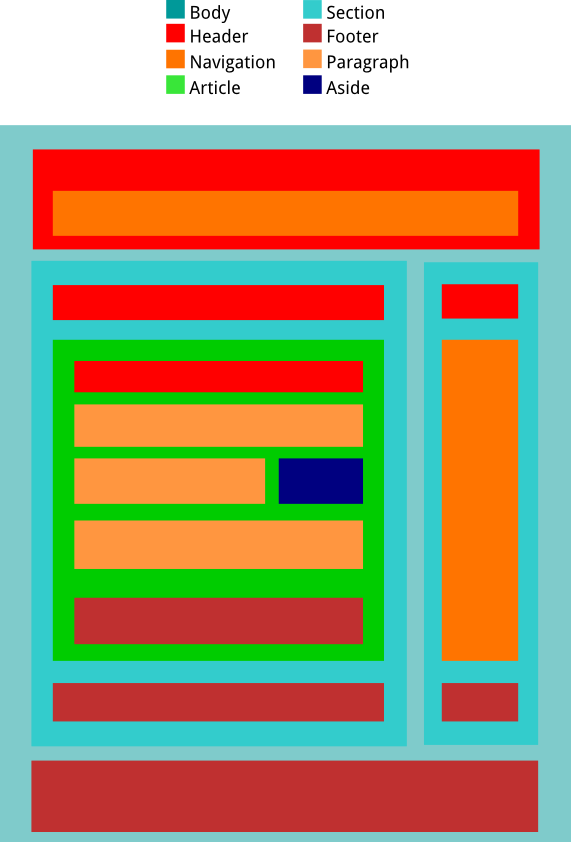

Key components and common elements
At a practical level web design addresses several overlapping concerns. Typical components include:
- Structure and markup: the underlying HTML (and templating) that organizes content.
- Presentation: visual styles supplied by CSS, including responsive rules for different screen sizes.
- Behavior: client-side interactivity provided by JavaScript and progressive enhancement techniques.
- Content strategy: the selection and organization of text, images, media and calls to action.
- Accessibility and performance: making sites fast and usable for people with disabilities and limited devices or connections.
History and development
Web design evolved from simple, static pages in the early web to complex, interactive applications. Early pages relied on plain HTML; styling moved to CSS in the late 1990s, separating presentation from structure. The rise of mobile devices led to responsive web design, an approach that adapts layouts to different screens and was popularized in the late 2000s and early 2010s. Since then, component-based design systems, client-side frameworks and improved browser standards have shaped modern practice.
Common workflows and tools
Designers and teams use a mix of tools and methods. Wireframes and prototypes help test ideas before coding. Design systems and reusable component libraries improve consistency. Typical tools include visual design applications, code editors, browser developer tools, version control and content management systems (CMS). Front-end development often involves CSS preprocessors, build tools and frameworks, but the core technologies remain HTML, CSS and JavaScript.
Uses, best practices and notable distinctions
Web design serves many purposes: informational sites, online stores, web applications and marketing landing pages. Best practices emphasize clarity, accessible markup, responsive layouts, optimized media, semantic HTML, fast load times and search engine friendly structure. Roles in the field vary: a web designer may focus on visual and interaction design, a front-end developer implements behavior and performance, and a UX designer researches user needs and tests solutions. Many practitioners wear multiple hats, especially in smaller teams.
Further reading and resources
Reliable introductions, tutorials and specifications can help beginners and experienced practitioners alike. The list below links to a selection of general resources and references used by designers and developers:
- General web design overview
- Designing for the web: principles
- Multimedia and web content
- Animation techniques for interfaces
- Business and e-commerce sites
- Personal and portfolio sites
- Template and pattern libraries
- Free template collections
- HTML reference and tutorials
- CSS guides and best practices
- JavaScript fundamentals for the web
- Technology overviews and stacks
- Online collaborative design tools
- Website building platforms
- Site builder and editor tools
- Offline development workflows
- Career information and training
- Salary and job market resources
By combining clear content structure, attention to accessibility, and an iterative design process informed by user feedback and analytics, web design helps create useful, reliable and engaging experiences on the web.
Related articles
Author
AlegsaOnline.com Web design: principles, history, tools, and practices Leandro Alegsa
URL: https://en.alegsaonline.com/art/107057
Sources
- commons.wikimedia.org : Web design