
Wave (physics): nature, types, properties and applications
An accessible overview of waves in physics: definitions, main types (mechanical, electromagnetic, quantum), key properties, historical milestones, behaviors like interference, and practical uses.
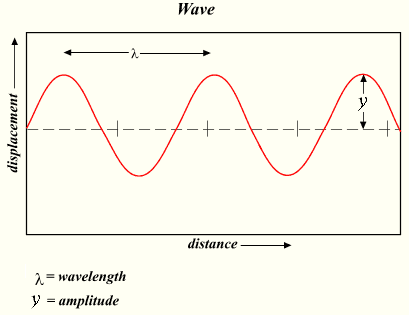
A wave is a repeating disturbance that transports energy, and sometimes momentum, through space or a material medium without a permanent displacement of the medium's bulk. In general usage a wave is an organized pattern of motion: an oscillation or variation that propagates through space or through matter, carrying energy away from its source. Waves are characterized by measurable quantities such as frequency, wavelength, amplitude and speed.
Image gallery
10 Images






Types and examples
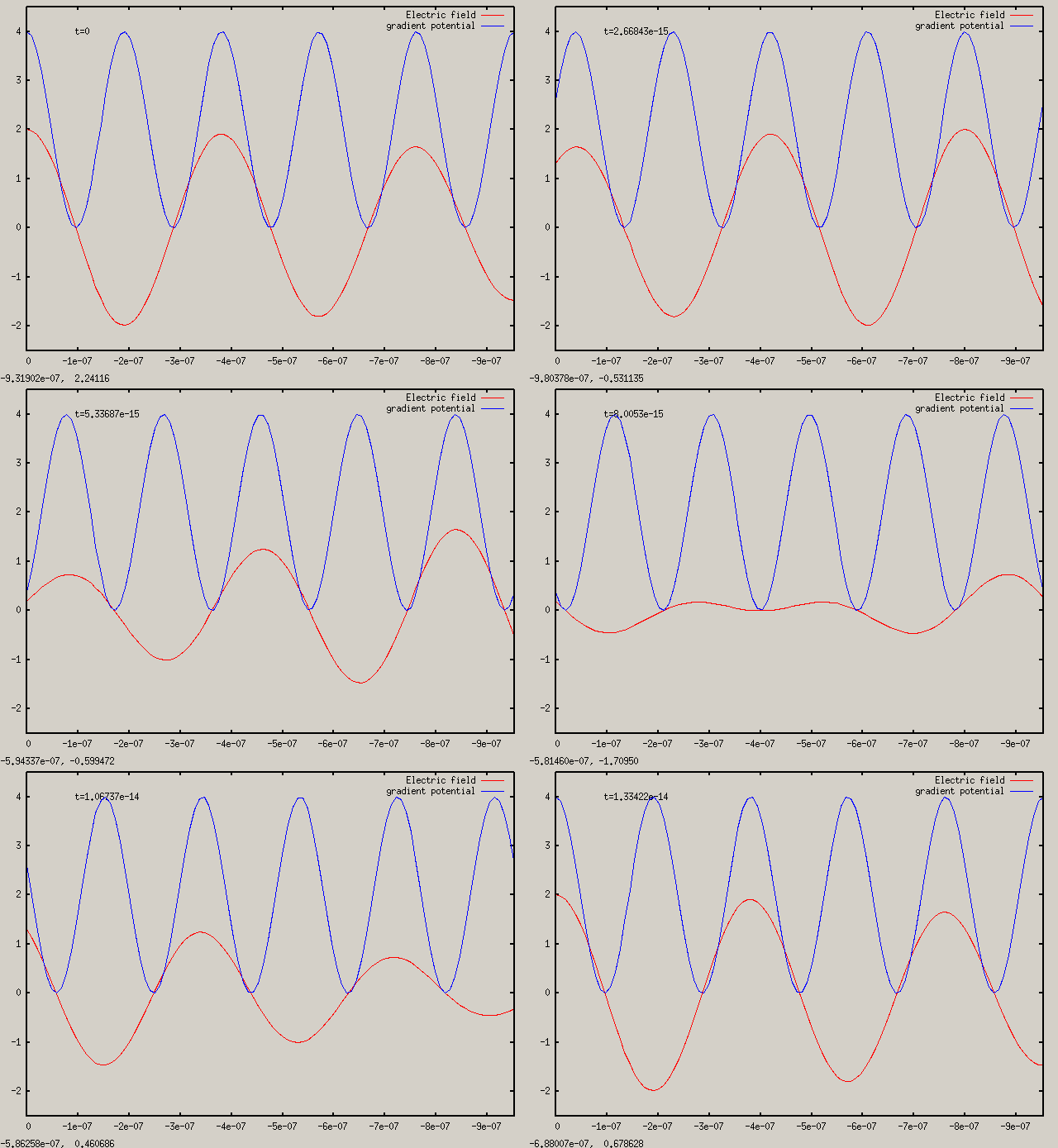
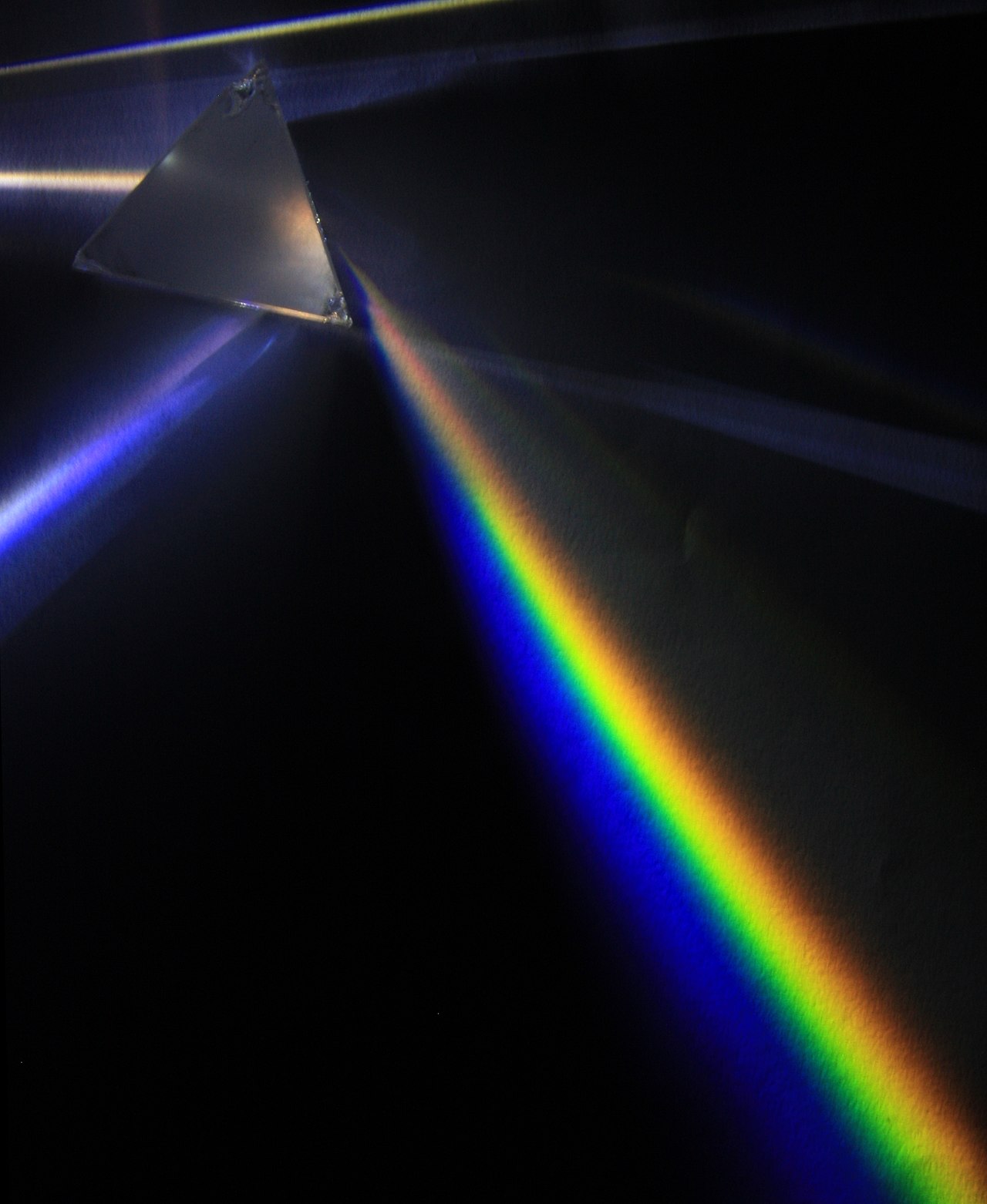
Waves are commonly grouped by how they travel and what they involve. Mechanical waves require a material medium—examples include water surface waves and sound in air. Electromagnetic waves (light, radio, X-rays) do not need a medium and propagate through vacuum. In quantum mechanics particles can exhibit wave-like behavior; these matter waves are described by probability amplitudes rather than classical displacements.
Key properties
- Wavelength: distance between repeating features such as crests.
- Frequency: number of cycles per unit time (related inversely to period).
- Amplitude: maximum disturbance magnitude, related to energy.
- Speed: rate at which a phase or pulse travels; depends on medium and wave type.
- Phase and polarization: describe the relative timing and orientation of oscillations.
Waves obey the superposition principle: overlapping disturbances add, producing interference patterns and diffraction around obstacles. Transverse waves oscillate perpendicular to propagation (e.g., electromagnetic waves); longitudinal waves oscillate parallel to propagation (e.g., sound).
History and theory
Concepts of wave motion developed over centuries. Huygens formulated a useful principle describing how wavefronts propagate; Young's experiments demonstrated interference for light; Maxwell's equations unified electricity and magnetism and predicted electromagnetic waves; Hertz later produced radio waves experimentally. In the early 20th century quantum theory introduced a new, probabilistic wave description of matter.
Applications and notable distinctions
Waves underpin many technologies and scientific methods: communication (radio, optical fiber), imaging (ultrasound, radar), remote sensing, and seismology. Important distinctions include mechanical vs electromagnetic waves and phase velocity vs group velocity (the latter governs information and energy transport). Understanding wave behavior—interference, resonance, dispersion—remains central across physics and engineering.
Related articles
Author
AlegsaOnline.com Wave (physics): nature, types, properties and applications Leandro Alegsa
URL: https://en.alegsaonline.com/art/106918