
Watarru Indigenous Protected Area
A 1.2-million-hectare Indigenous Protected Area in the Great Victoria Desert, managed by Anangu people under Tjukurpa, conserving desert ecosystems and cultural sites while addressing invasive species.
Overview
The Watarru Indigenous Protected Area covers roughly 1.2 million hectares in the north‑west corner of South Australia. Situated within the Great Victoria Desert, it comprises a largely intact arid landscape of sand plains, dunes and spinifex grassland. The reserve was declared an Indigenous Protected Area in June 2000 and is managed by the local Anangu peoples following customary law and practice.
Image gallery
2 Images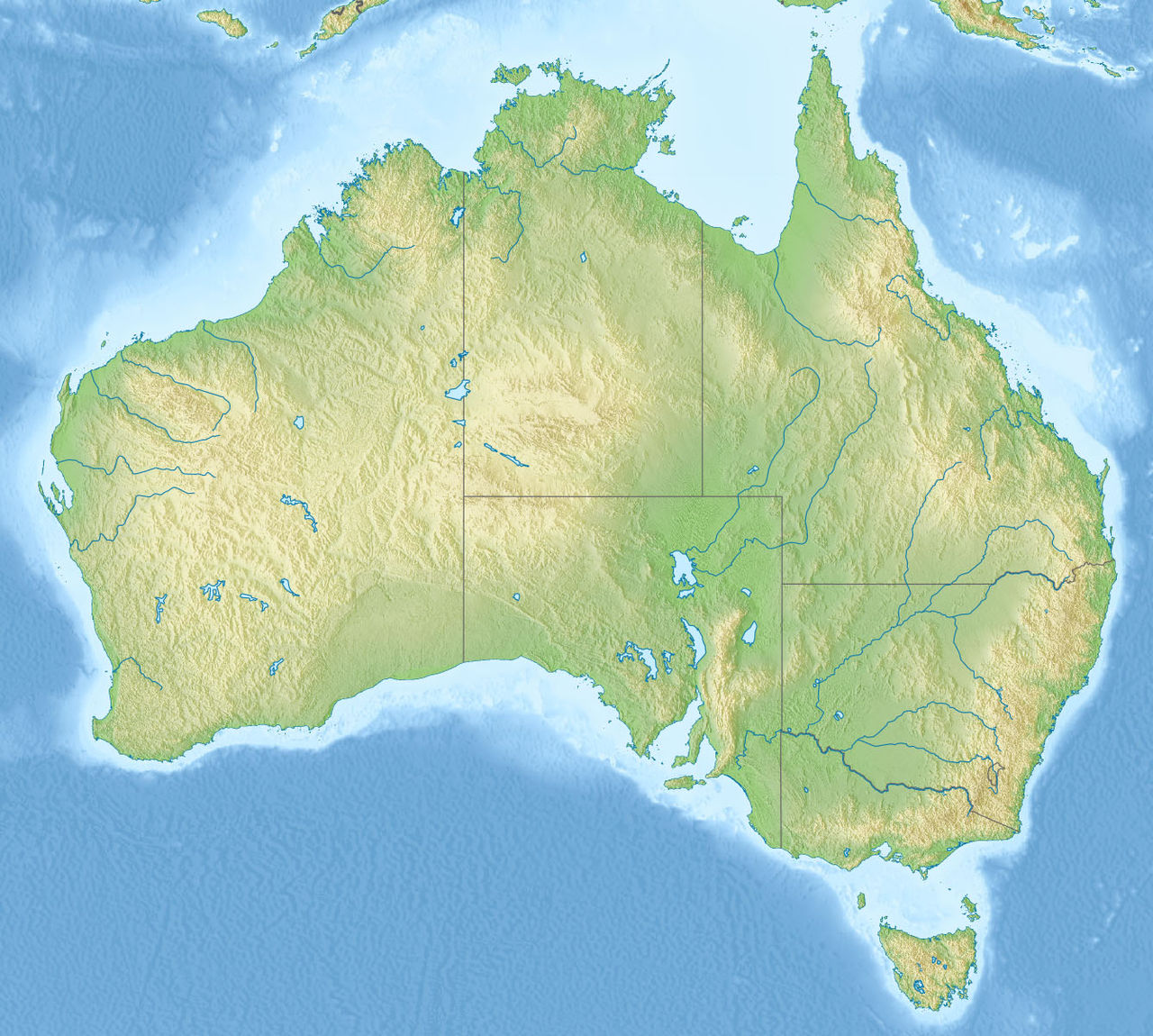

Traditional ownership and cultural importance
Watarru lies on the traditional lands of Pitjantjatjara, Ngaanyatjarra and Yankunytjatjara groups, collectively known as Anangu. The area contains living cultural values: songlines, sacred sites, seasonal camps and knowledge systems passed down through Tjukurpa. Management decisions and day‑to‑day care of country are informed by these cultural obligations as well as by contemporary conservation science.
Landscape, habitats and species
The reserve protects typical central Australian desert habitats: hummock grasses (spinifex), sand ridges, ephemeral claypan lakes and shrublands. These habitats support a range of desert-adapted animals and plants, including small mammals, reptiles and birds adapted to arid conditions. Because the land has seen little or no pastoral development, many ecological communities remain relatively intact compared with neighbouring districts where grazing has occurred.
Management approach and activities
Management at Watarru combines traditional land‑care practices with scientific methods. Anangu rangers and partners work on priorities such as fire management informed by customary burning patterns, monitoring of wildlife and plants, visitor and sacred site protection, and invasive species control. The program emphasises community leadership and cultural maintenance alongside biodiversity outcomes.
Conservation challenges and partnerships
Despite being relatively undisturbed by grazing, Watarru faces threats common to Australian deserts. Feral animals — notably cats, foxes and camels — affect native fauna and vegetation, and managers are developing control strategies in collaboration with scientists and government agencies to reduce these impacts (feral animal programs). Climate variability, altered fire regimes elsewhere and the risk of introduced plants also require ongoing attention.
Practical uses, access and research
The Indigenous Protected Area supports cultural continuity, ranger employment and environmental research. It is not a typical tourist destination; access is generally managed to protect cultural sites and fragile ecosystems. Scientific studies and monitoring are carried out through partnerships that respect Anangu governance and Tjukurpa. The IPA model exemplified at Watarru is one of several approaches in Australia that seek to combine Indigenous stewardship with formal conservation, under frameworks set out when the area was declared an Indigenous Protected Area.
Key facts and considerations
- Area: about 1.2 million hectares in the Great Victoria Desert.
- Declared an Indigenous Protected Area in June 2000 to support Anangu land management.
- Management integrates traditional law (Tjukurpa) and scientific collaboration.
- Main conservation issues include feral cats, foxes and camels and the need for culturally guided fire regimes.
Further information about land management, cultural programs and ecological monitoring in the region can be found through partners and agencies working with Watarru communities and Anangu organisations. For more context on regional conservation frameworks and the role of Indigenous Protected Areas, see related resources and regional planning documents (South Australia) and (Great Victoria Desert).
Wherever possible, research and on‑country programs at Watarru respect community decision‑making and aim to support both cultural resilience and ecological health, demonstrating the continuing role of Indigenous custodianship in conserving Australia's desert landscapes.
Related articles
Author
AlegsaOnline.com Watarru Indigenous Protected Area Leandro Alegsa
URL: https://en.alegsaonline.com/art/106762
Sources
- environment.gov.au : "Walalkara and Watarru Indigenous Protected Areas"