
Warrnambool, Victoria: Coastal city at the western end of the Great Ocean Road
Warrnambool is a regional city on Victoria's south-west coast, known for maritime history, whale watching, agriculture and as the western terminus of the Great Ocean Road.
Overview
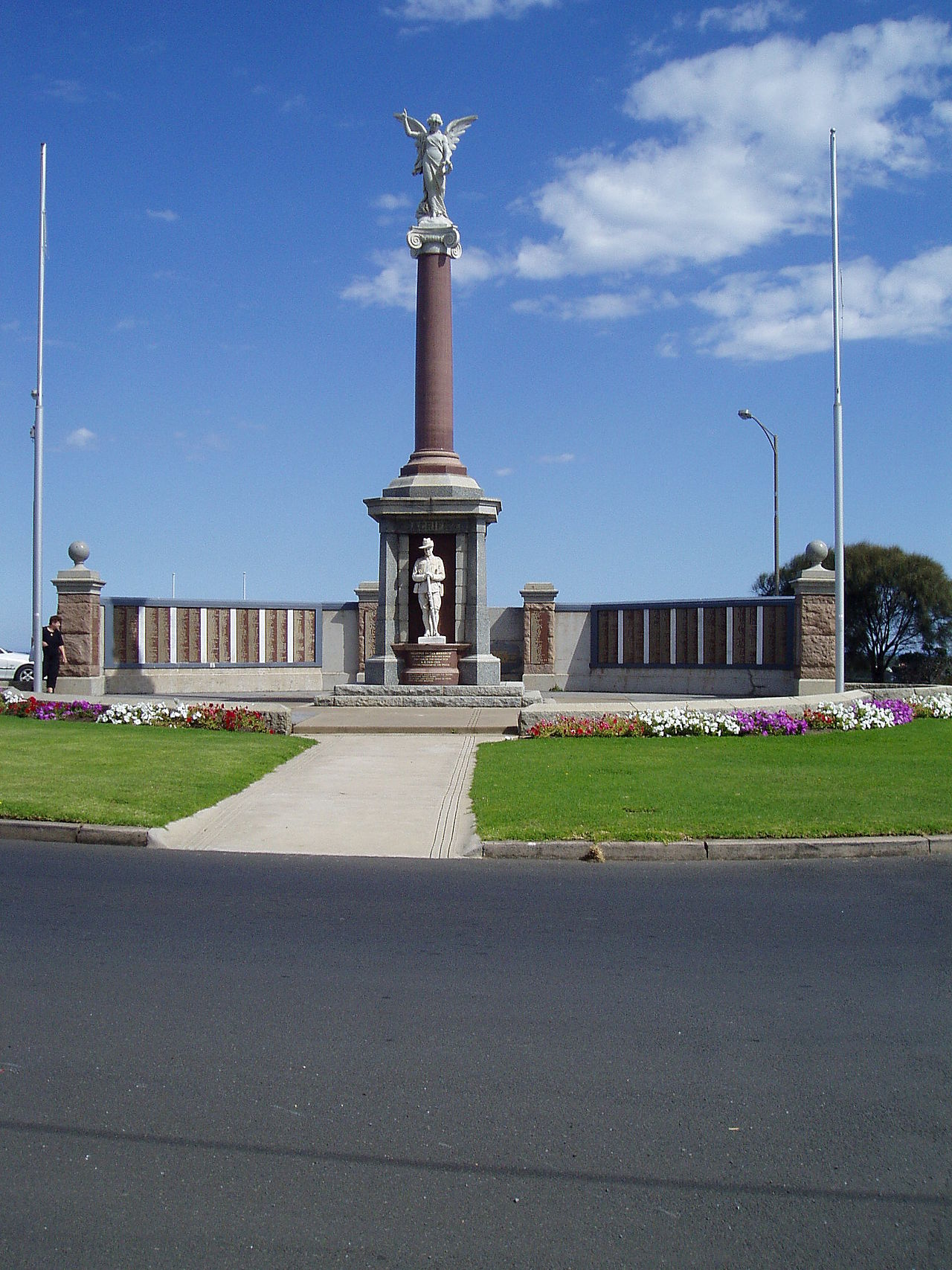
Warrnambool is a regional city on the south‑western coast of Victoria, Australia. Home to roughly 32,000 people, it sits at the western end of the Great Ocean Road and alongside the Princes Highway that links Melbourne and Adelaide. By road or rail it is about 265 kilometres and around three hours from Melbourne, making it an accessible centre for tourism, services and regional industry.
Image gallery
7 Images




Geography and climate
Warrnambool occupies a coastal plain with beaches, sheltered bays and low dunes opening onto the Southern Ocean. The city lies close to the Shipwreck Coast, a stretch of coastline noted for rugged scenery and historic shipwrecks. The town's name derives from an Indigenous Australian language and is commonly interpreted as meaning "water between two rivers", "two swamps" or "plenty of water", reflecting its wetland setting. The climate is temperate maritime: summers have average maximums near 22 °C and winters average around 14 °C for daytime highs, with mild conditions year‑round tempered by oceanic influence.
History and development
The area is part of the traditional lands of the Gunditjmara and other local Aboriginal peoples, whose connection to country predates European settlement. European activity increased in the 19th century when the harbour and surrounding countryside supported pastoralism, coastal shipping and whaling. Over time Warrnambool grew as a service and transport hub for the surrounding agricultural region, developing port facilities, shops and civic institutions that supported both local residents and visiting traders.
Transport and economy
Warrnambool is served by daily rail services to Melbourne (via Geelong), and regular coach links reach inland towns such as Ballarat and Hamilton as well as cross‑border destinations like Mount Gambier. Local connections use the Princes Highway and a network of regional roads. The city's economy is diversified: agriculture (particularly dairying and cropping) and related processing remain important, while tourism, education and health services make up significant employment. The city hosts a university campus and a regional hospital, providing broader services to the south‑west Victorian catchment.
Culture, attractions and activities
Warrnambool is known for its maritime heritage and coastal attractions. Whale watching from Logan's Beach is a major seasonal draw when southern right whales pass close to shore during their winter and spring migration. Flagstaff Hill Maritime Village and its museum interpret the area's seafaring past and shipwreck history. The foreshore, promenades and parks provide recreational space for residents and visitors, while a calendar of markets, cultural events, and regional races and festivals contributes to local life.
Notable facts and distinctions
As the western gateway of the Great Ocean Road, Warrnambool serves as a base for exploring scenic coastal features, national parks and heritage sites along the Shipwreck Coast. Its combination of accessible transport links, maritime history, and natural attractions makes it both an economic centre for the surrounding agricultural districts and a popular stop for tourists travelling between Victoria's major cities.
Practical information
- Population: about 32,000 residents.
- Travel time to Melbourne: roughly 265 km or 3 hours by road or rail.
- Transport: daily trains to Melbourne (via Geelong) and coach services to Ballarat, Hamilton and Mount Gambier.
- Climate: moderate maritime—average daytime maxima near 22 °C in summer and 14 °C in winter.
Related articles
Author
AlegsaOnline.com Warrnambool, Victoria: Coastal city at the western end of the Great Ocean Road Leandro Alegsa
URL: https://en.alegsaonline.com/art/106620
Sources
- warrnambool.vic.gov.au : "Warrnambool City Council - Facts & Figures"
- heritageaustralia.com.au : "Australian Heritage - Historical Towns Directory"
- warrnambool.vic.gov.au : "Warrnambool City Council - Warrnambool's History"