
Wanze (municipality in Liège, Belgium)
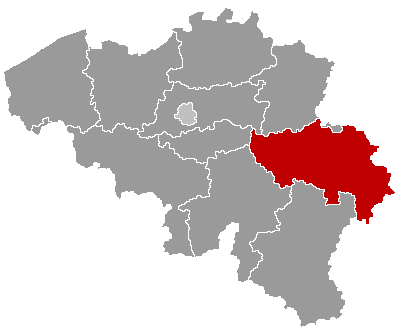
Wanze is a Walloon municipality in the province of Liège, Belgium. Located near the Meuse, it had about 12,800 inhabitants in 2007 and combines riverside industry, agriculture and local heritage.
Overview: Wanze is a municipality in the Walloon Region of Belgium administered within the province of Liège. It lies in the Meuse valley of eastern Belgium and is part of the French-speaking area often called Wallonia. The town center and nearby villages form a mixed rural and semi-industrial community with a long local history.

Image gallery
2 Images
Geography and population
Wanze sits near the Meuse River at approximately 50°32′N, 5°12′E. The municipality includes several villages and hamlets spread across lowland and river terraces. In 2007 Wanze had around 12,800 inhabitants; population figures have remained in the same general range over recent decades, reflecting modest growth and local demographic stability.
History and development
The locality has medieval roots and developed over centuries as an agricultural centre and river-side settlement. Industrial activity expanded in the 19th and 20th centuries with factories and river transport shaping the local economy. Historic churches, village cores and landscape features attest to this long timeline.
Economy and transport
Local economic activity combines farming, small-scale manufacturing and services. Proximity to the Meuse has historically supported trade and logistics; road connections and regional rail links connect Wanze to larger urban centres in Liège and beyond. Community life includes markets, local businesses and commuter patterns to nearby cities.

Culture, administration and points of interest
- Municipal administration and services are centred in the town hall; the area is governed as a commune-level municipality of municipality status under Belgian law.
- Visitors encounter traditional architecture, parish churches, riverside views and local festivals that showcase regional Walloon culture.
- Wanze is notable as a representative small municipality of the Liège province, balancing rural character with historical industrial connections.
Practical information for visitors or residents—such as municipal services, events and up-to-date statistics—can be obtained from official local sources and regional information portals.
Related articles
Author
AlegsaOnline.com Wanze (municipality in Liège, Belgium) Leandro Alegsa
URL: https://en.alegsaonline.com/art/106470
Sources
- statbel.fgov.be : Werkelijke bevolking per gemeente op 1 januari 2007 / Population de droit par commune au 1 janvier 2007 (.xls)
- statbel.fgov.be : Geografische coördinaten van de gemeenten (.xls)