
Wapello, Iowa — county seat in Louisa County
Wapello is a small city in southeastern Iowa and the county seat of Louisa County. Known for its rural character, local government services, and ties to regional history, agriculture and river landscapes.
Overview
Wapello is a small city located in Iowa in the United States. It serves as the county seat for Louisa County, making it the administrative and civic center for the surrounding rural area. The city functions as a local hub for government, services, and community life within a predominantly agricultural region.
Image gallery
4 Images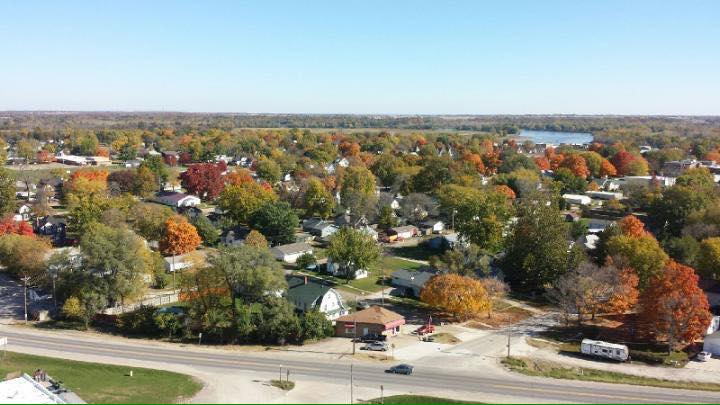


Characteristics and layout
Wapello has the characteristics common to many small Midwestern county seats: a downtown with municipal buildings, small businesses, schools and residential neighborhoods. Its role as county seat means the courthouse and county offices draw residents from nearby towns and townships for legal, administrative and civic matters.
History and name
The community takes its name from Chief Wapello, a Native American leader remembered in the region. Settlement and development took place during the 19th century as European-American settlers established farms and towns across Iowa. Over time Wapello retained its importance through county government and local commerce even as transportation and economies changed.
Geography, economy and environment
Situated amid the fertile agricultural landscapes of southeastern Iowa, Wapello is surrounded by farmland, rivers and wetlands that support crop and livestock production. Local economic activity is anchored by agriculture, small manufacturing or service businesses, and public-sector employment related to county governance.
Government, education and services
As the seat of Louisa County government, Wapello hosts administrative offices and courts that provide services to a wider rural population. The city also supports primary and secondary education options, local law enforcement and community health services typical for towns of its size.
Culture, notable places and distinctions
Community life in Wapello often centers on local events, parks and historic sites. Visitors and residents can find a compact downtown, public parks and river access that reflect the town’s regional setting. Notable local features often include a courthouse square, community festivals and historic buildings that document the area's 19th- and 20th-century development.
- County courthouse and administrative buildings
- Downtown businesses and historic storefronts
- Parks, river access and outdoor recreation areas
- Local schools and community facilities
For more detailed local information, historical records and visitor guidance, consult county resources or community history collections available through municipal or regional institutions. Additional online references can be reached via local government and historical society pages here and here.
Related articles
Author
AlegsaOnline.com Wapello, Iowa — county seat in Louisa County Leandro Alegsa
URL: https://en.alegsaonline.com/art/106475