
Waltzing Matilda: Australia's iconic bush ballad
Comprehensive overview of 'Waltzing Matilda': its narrative, origins, melody, distinctive Australian vocabulary, cultural impact, and the debates and commemorations surrounding this enduring folk song.
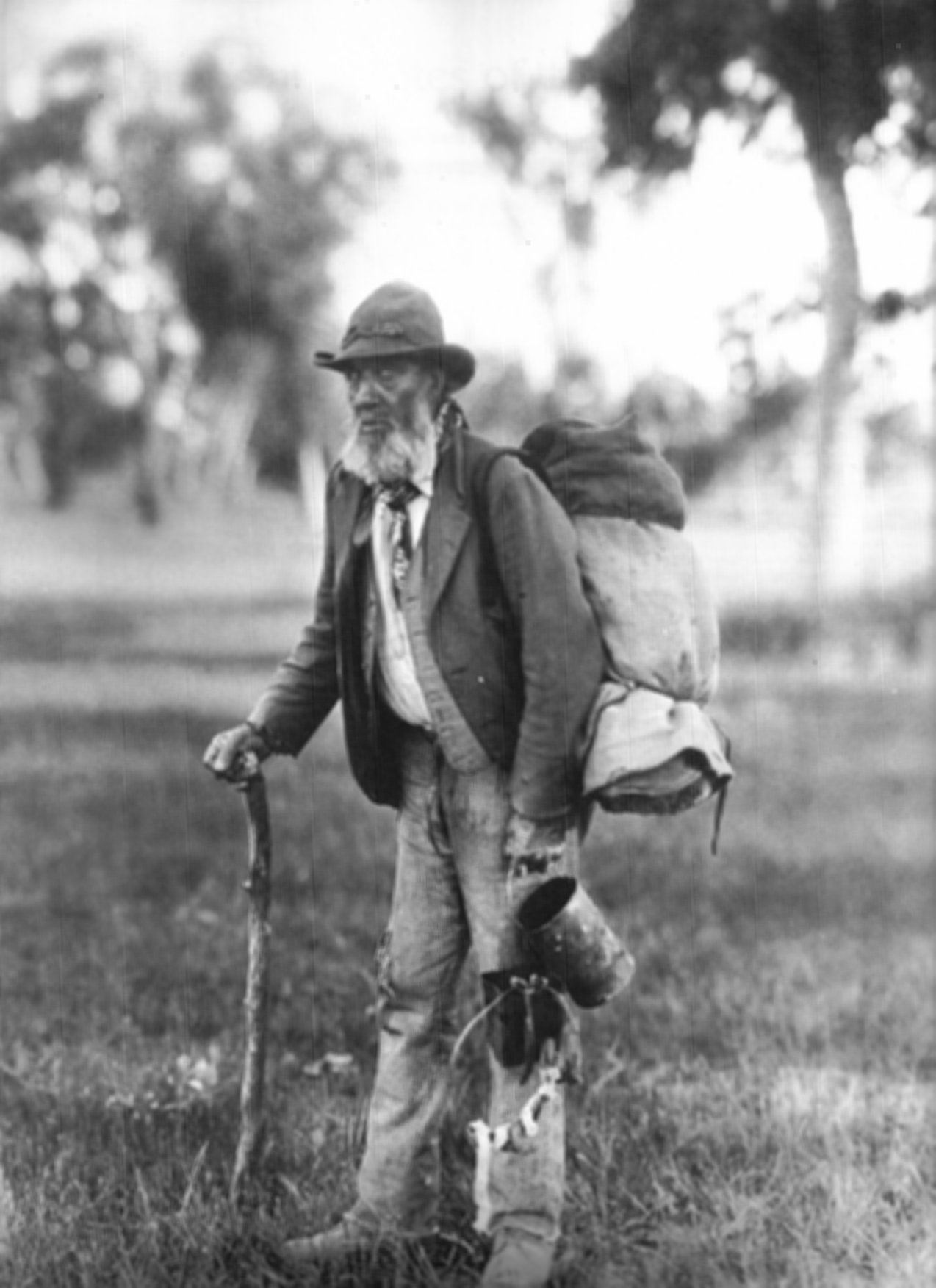
"Waltzing Matilda" is among the best known songs associated with Australia. Often classed as a bush ballad and part of country folk tradition, it has been called the nation's unofficial anthem by writers, performers and the public. The title phrase is late 19th‑century Australian slang: to "waltz Matilda" is to travel carrying a bundle or swag (the "Matilda") slung over the shoulder.
Image gallery
6 Images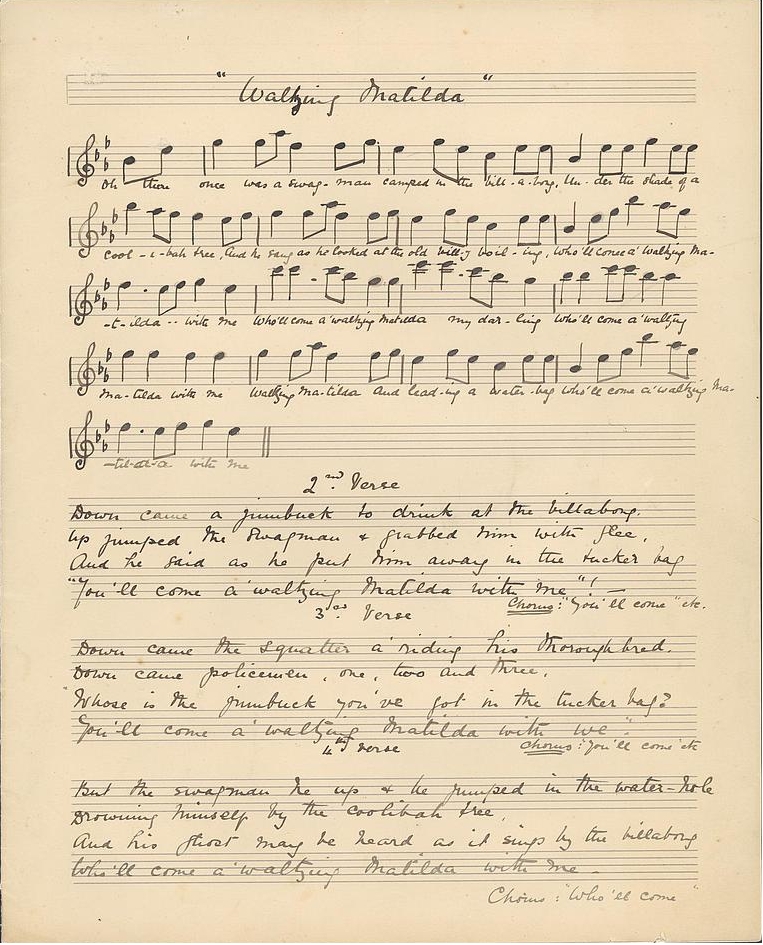



Story and themes
The lyrics tell a short, vivid narrative set in the bush. A travelling worker, commonly called a swagman, camps by a billabong and captures a sheep (a "jumbuck") to make a meal. When the landowner and police arrive to arrest him for theft, the swagman drowns himself in the waterhole rather than be taken; the song ends with the idea that his ghost haunts the site. The ballad mixes dark humour, stoicism and social tension, and it evokes itinerant life, property rights and the harsh conditions of rural Australia.
Origins and authorship
The words are attributed to the poet and journalist Andrew "Banjo" Paterson, who composed them in the 1890s. The tune most commonly associated with the lyrics was adapted in the same period by Christina Macpherson from a melody she remembered hearing; the joint origin of words and tune reflects a blend of written and oral practice. Details about the precise circumstances and dates are the subject of local traditions and scholarly discussion, and the earliest printed sheet music appeared in the early 20th century.
Melody, musical traits and language
Musically, the ballad uses a simple, memorable melody and a repeated refrain that make it easy to sing in groups and at public events. Its language preserves several distinctive Australian terms from the late 19th century: swagman (itinerant labourer), jumbuck (sheep), billabong (an oxbow lake or waterhole), squatter (large landholder) and troopers (police). These words contribute to the song's strong sense of place and time, and the refrain gives the ballad rhythmic and mnemonic power that aided its spread across rural communities.
Cultural impact, recordings and performances
For more than a century, "Waltzing Matilda" has been recorded and performed in many arrangements. It appears in folk and popular repertoires, and has been adapted instrumentally and vocally for radio, film and public ceremonies. The ballad is frequently sung at sporting events, commemorations and by community choirs, and it has been used by military groups and touring artists. Its adaptability has produced many variants, parodies and reinterpretations that reflect political views, regional identity and artistic creativity (bush ballad, recordings, performances).
Commemoration and the Waltzing Matilda Centre
The song's association with particular places in inland Queensland has inspired local museums and commemorations. The town of Winton maintains a centre interpreting the song's history, its social context and its ongoing role in Australian culture. The ballad is also represented in exhibitions, educational materials and tourism promotion that aim to explain both the narrative and the vernacular vocabulary to wider audiences (Waltzing Matilda Centre).
Debates, symbolism and legacy
"Waltzing Matilda" occupies a complex cultural position. It is celebrated as national folklore and has been proposed at times as an official anthem or national song; such proposals have generated debate about what best represents a modern, multicultural nation. Scholars and commentators also study the ballad for its language, social history and the ways it has been adapted in different eras. The combination of a haunting story, familiar melodic lines and colloquial vocabulary helps explain why it remains culturally resonant.
Notable points
- The title phrase personifies the traveller's bundle: "Matilda" is a figurative name for a swag.
- Andrew "Banjo" Paterson is widely credited with the lyrics, while Christina Macpherson is commonly associated with the tune; the precise musical source has been discussed by researchers and tradition bearers (authorship).
- Early 20th‑century publication helped spread the song beyond its regional origins and secure its place in recorded culture (1903 publication).
- Its status as emblematic Australian folklore has led to scholarly attention and public debate about commemoration and national symbols (cultural debates, commemoration).
Today "Waltzing Matilda" remains a living element of Australian cultural heritage: at once a short, somber narrative, a communal singalong and a subject for interpretation. Its persistent presence in performance, education and public life continues to invite reflection on the landscape, language and social history that shaped it.
Questions and answers
Q: What is "Waltzing Matilda"?
A: "Waltzing Matilda" is one of Australia's best known songs, a bush ballad and a country folk song.
Q: What is the meaning of the title "Waltzing Matilda"?
A: "Waltzing Matilda" is Australian slang for walking through the country looking for work, with one's goods in a "Matilda" (bag) carried over one's back.
Q: Why is "Waltzing Matilda" called the unofficial national anthem of Australia?
A: "Waltzing Matilda" is called the unofficial national anthem of Australia because of its popularity and cultural significance.
Q: What is the story of the song "Waltzing Matilda"?
A: The song "Waltzing Matilda" tells the story of a traveling farm worker making a drink of tea at a bush camp and capturing a sheep to eat. When the sheep's owner arrives with three policemen to arrest the worker for taking the sheep, the worker drowns himself in a small watering hole.
Q: Who wrote the words to the song "Waltzing Matilda"?
A: The words to the song "Waltzing Matilda" were written by a poet and nationalist Banjo Paterson in 1895.
Q: When was the sheet music of "Waltzing Matilda" first printed?
A: The sheet music of "Waltzing Matilda" was first printed in 1903.
Q: Where is the Waltzing Matilda Centre located?
A: The Waltzing Matilda Centre is located in Winton, Queensland and it is a museum dedicated to the song "Waltzing Matilda".
Related articles
Author
AlegsaOnline.com Waltzing Matilda: Australia's iconic bush ballad Leandro Alegsa
URL: https://en.alegsaonline.com/art/106421
Sources
- nla.gov.au : The National Library of Australia
- nla.gov.au : nla.gov.au
- anu.edu.au : anu.edu.au
- smh.com.au : "Waltzing Matilda, courtesy of a tea-leaf near you"