
War (U2 album)
War is U2's third studio album (1983), a politically charged post‑punk record built around singles like "Sunday Bloody Sunday" and "New Year's Day" that raised the band's international profile.
Overview
War is the third studio album by Irish rock band U2, released in 1983. It marked a decisive shift from the more introspective subjects of their first two records toward overtly political and confrontational themes. Musically, the record blends post‑punk energy with memorable melodic hooks and a martial rhythmic drive that underlined its lyrical concerns.
Image gallery
2 Images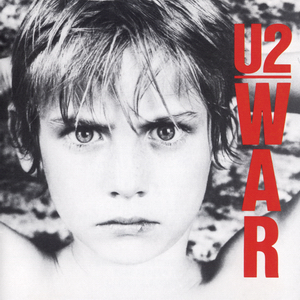
Recording and musical characteristics
The band worked with producer Steve Lillywhite to capture a direct, live-sounding approach. The arrangements emphasize staccato guitar, propulsive drumming and clear, impassioned vocals. The production favors immediacy over studio ornamentation: guitars often have sharp, sustained tones while the rhythm section anchors many tracks with military-like patterns and pulsing bass lines.
Themes, lyrics and notable tracks
War addresses conflict, political responsibility and the human cost of violence. Two of its best-known songs, "Sunday Bloody Sunday" and "New Year's Day," exemplify the album’s balance of topical commentary and universal feeling. "Sunday Bloody Sunday" is noted for its ringing opening drum and its rhetoric of protest, while "New Year's Day" pairs a memorable riff with lyrics about personal and political tension. Other album tracks further explore the emotional fallout of confrontation and the search for moral clarity.
Release, reception and commercial performance
Upon release the album broadened U2’s audience and became the band’s first chart‑topping record in the United Kingdom. Contemporary critical opinion was divided: some commentators praised the band’s urgency and directness, while others found the sound blunt or the message heavy-handed. Over time many critics and listeners reassessed the record, recognizing its role in establishing U2 as an influential voice in rock.
Legacy and influence
War helped define U2’s public image as a politically engaged band and set the stage for subsequent stylistic developments. Its combination of arena-sized anthems and topical material influenced a range of artists who sought to blend social commentary with accessible rock songwriting. The album’s singles remain staples in retrospective accounts of the band’s early years.
Further reading and links
- Background and context
- Album details and credits
- Band biography and history
- Musical style and influences
- U2 official resources
- Early albums and development
- Songwriting themes
- Religious and spiritual background
- Spiritual influences in rock
- Conflict and music
- Politics in popular music
- Interviews with Bono
- Geopolitical context
- Apartheid-era references
- Contemporary chart context
- 1980s popular albums
- Chart history in the UK
- Critical reception and reviews
- Retrospectives and reassessments
Questions and answers
Q: What is U2's third studio album called?
A: U2's third studio album is called War.
Q: What were the themes of U2's first two albums?
A: The themes of U2's first two albums were childhood and spirituality.
Q: Why is War considered an album about war and politics?
A: War is considered an album about war and politics because of songs like "Sunday Bloody Sunday" and because of what was happening in the world while they were recording.
Q: What was happening in the world when U2 was recording War?
A: There were wars happening all over the world while U2 was recording War.
Q: How did War sell compared to Michael Jackson's Thriller?
A: War sold well for the band right away and even caused Michael Jackson's Thriller to fall from the top of the charts.
Q: Was War well-liked by British critics at first?
A: No, War was not well-liked by British critics at first.
Q: Has War gained approval from British critics over the years?
A: Yes, over the years War has gained approval from British critics.
Related articles
Author
AlegsaOnline.com War (U2 album) Leandro Alegsa
URL: https://en.alegsaonline.com/art/106510
Sources
- rollingstone.com : "Music Review: War"
- u2_interviews.tripod.com : "War & Peace"