
Walter Sickert: Painter of Urban Life and Controversy
Walter Sickert (1860–1942), a German-British painter and printmaker, led the Camden Town Group and shaped British modernism with gritty urban scenes, distinctive techniques, and a later controversy linking him to Jack the Ripper.
Overview
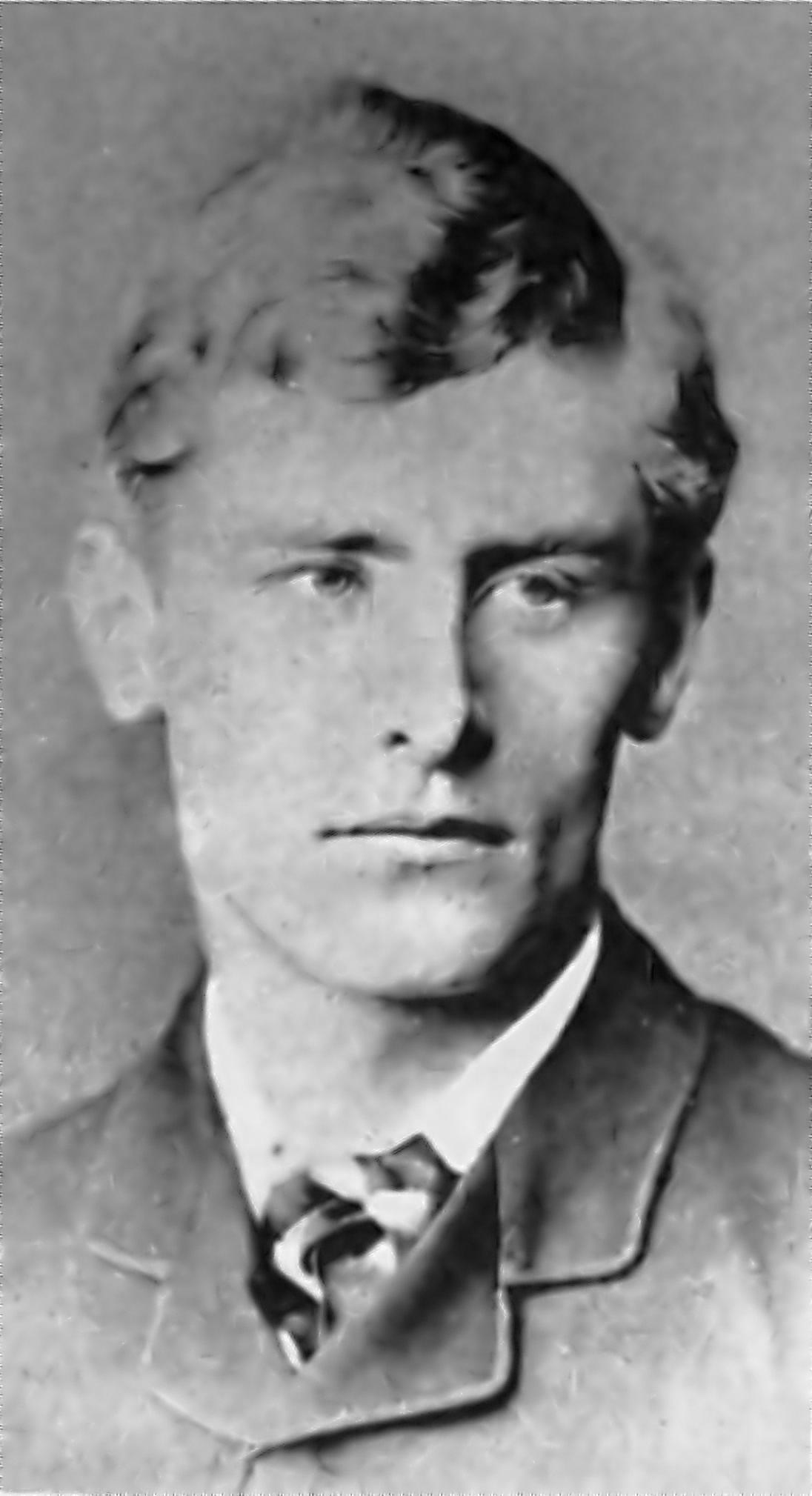
Walter Richard Sickert (31 May 1860 – 22 January 1942) was a German-British painter and printmaker known for his influential role in early 20th‑century British art. He became a central figure in groups such as the Camden Town Group and helped steer British painting away from academic Victorian styles toward a more modern, everyday realism. His work spans oils, watercolours and etchings and emphasizes the atmosphere of urban interiors, music halls and streets.
Image gallery
10 Images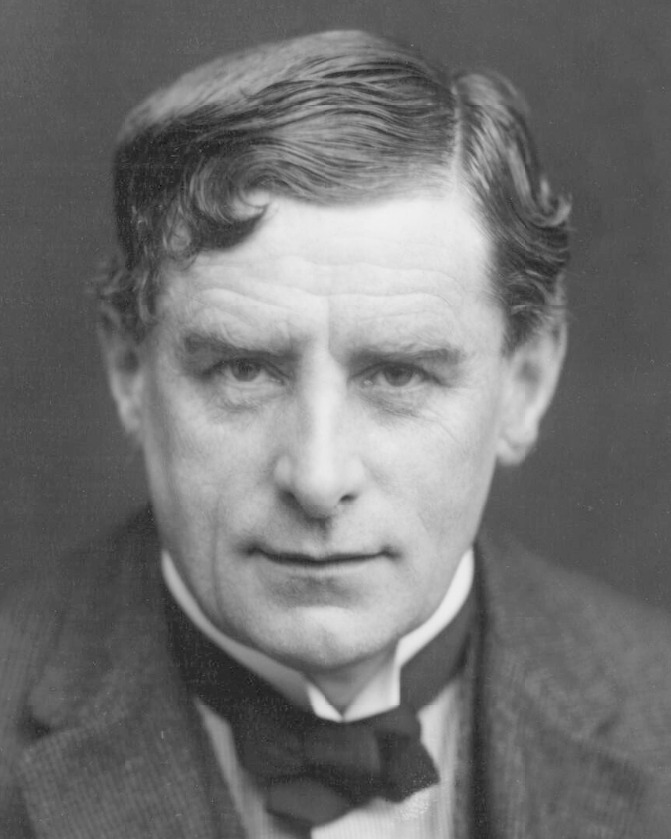




Style and subjects
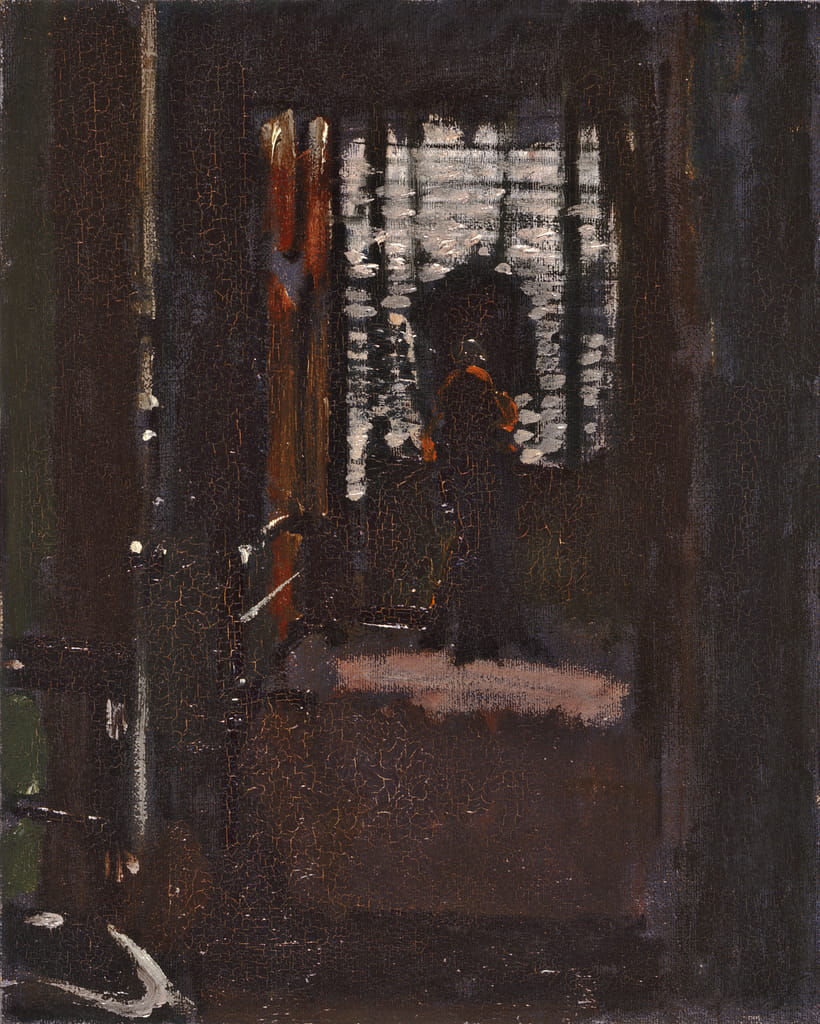
Sickert's paintings are recognisable for their sober palette, flattened planes, and an emphasis on composition over anecdote. Rather than prettifying his subjects, he presented them with a detached, often cool observation: dim rooms, tired models, performers at the edge of the stage. He experimented with the visual language of modern life, sometimes incorporating elements that recall photography and printmaking in composition and cropping.
Themes and typical works
Common themes in Sickert's oeuvre include domestic interiors, music-hall scenes, nudes, and urban streets. Several paintings from the Camden Town phase focus on intimate, sometimes ambiguous encounters, and have been read as meditations on loneliness and social reality. Examples of recurring motifs are listed below.
- Domestic rooms and backstairs
- Music-hall performers and audiences
- Portraits and studies of ordinary people
- Series and studies that explore a single theme through variations
Career, influence and development
Sickert worked in London and spent time in Paris; he absorbed influences from continental artists while developing a distinctly British voice. He played an important part in groups that promoted Post-Impressionist ideas in Britain and was a formative influence on younger British artists through exhibitions, writing and example. His approach helped pave the way for mid- and late‑20th‑century British avant-garde art.
Controversy and legacy
Alongside recognition, Sickert's name has been attached to controversy. Some authors have speculated about a connection between his life and the Whitechapel murders attributed to Jack the Ripper, in part because of subject matter and ambiguous imagery in a few works. These claims are contested and have not achieved consensus among historians. Today his reputation rests primarily on his artistic innovations, his role in early modern British painting, and the continuing study of his technique and thematic concerns.
Notable facts: Sickert was both a painter and printmaker, was a leading member of the Camden Town Group, and remains a figure of study for his contributions to urban realism and British modernism.
Related articles
Author
AlegsaOnline.com Walter Sickert: Painter of Urban Life and Controversy Leandro Alegsa
URL: https://en.alegsaonline.com/art/106391
Sources
- manchestergalleries.org : "Manchestergalleries.org"