
Wagga Wagga, New South Wales
Wagga Wagga is a regional city on the Murrumbidgee River in New South Wales. A Wiradjuri place with a distinctive reduplicated name, it is a service, education and defence hub for the Riverina.
Overview
Wagga Wagga is a regional city located on the banks of the Murrumbidgee River in inland New South Wales. Often shortened to "Wagga" by locals, it functions as a service and cultural centre for the broader Riverina region. The urban area serves surrounding agricultural districts and acts as a focal point for education, health care and defence training in southern inland New South Wales.
Image gallery
10 Images


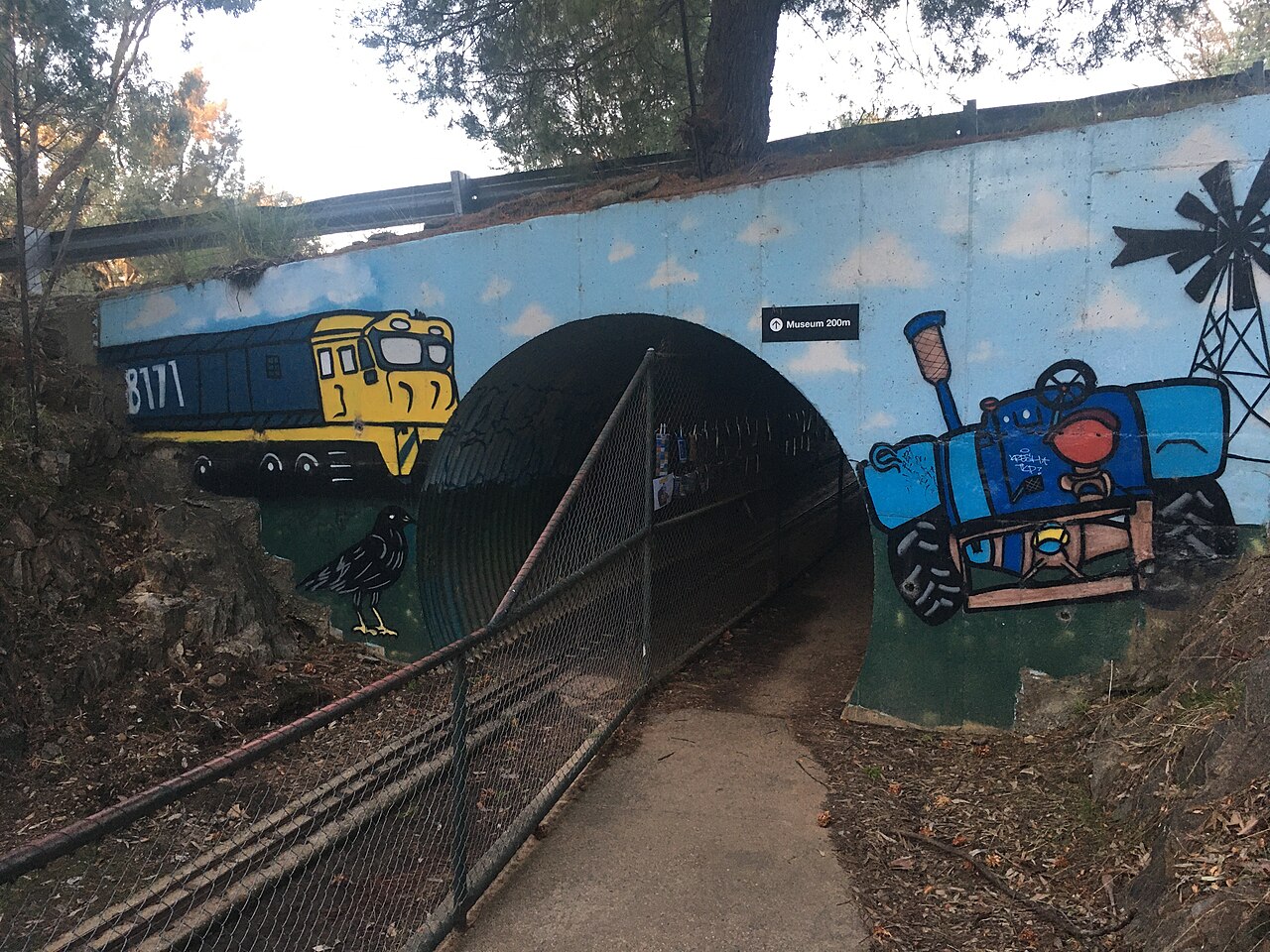


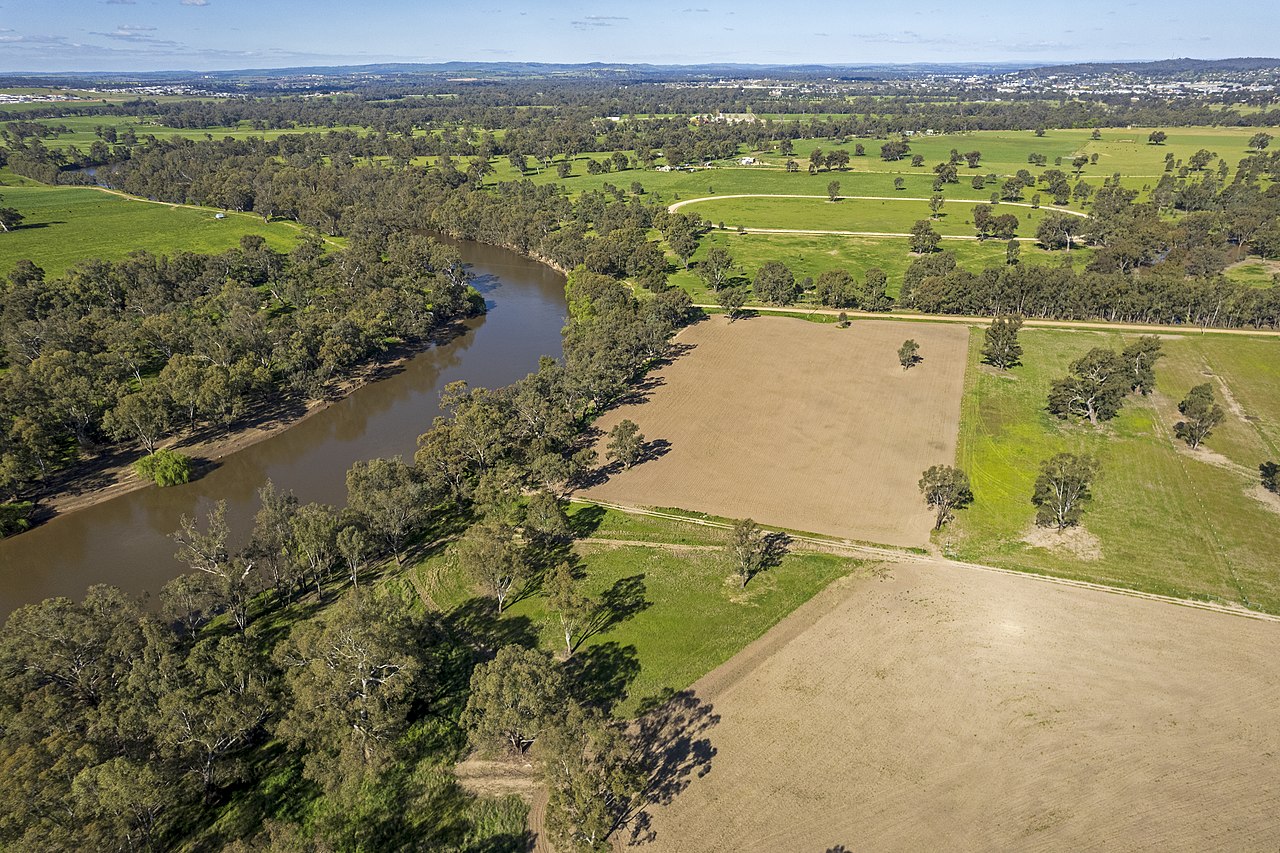
Name and Indigenous heritage
The place name comes from the Wiradjuri language. In Wiradjuri, repetition of a word can indicate plurality or emphasis; the doubled form is thus conventionally translated in English as a place associated with the original meaning. In recent years local elders and linguistic work have encouraged wider recognition of Wiradjuri interpretations and cultural significance in place naming and signage.
Geography and climate
Wagga Wagga lies on a broad river floodplain and sits within a landscape of mixed farmland, riverine woodlands and saltbush plains. The climate is classified as humid subtropical (Cfa) with hot summers, cool winters and variability driven by inland weather systems. Seasonal rainfall supports cropping and pasture, while the river corridor provides habitat and recreational space.
Economy and institutions
The city's economy combines primary production, education, health services and defence. Agriculture in the surrounding district includes mixed cropping and livestock enterprises. Wagga is home to tertiary education facilities and campuses, a regional hospital complex, and defence establishments that provide training and employment, contributing to a diversified local economy.
History and development
Prior to European settlement the area was occupied and managed by Wiradjuri people. European pastoral settlement expanded across the Riverina in the 19th century, with townships forming at river crossings and service points. Over time Wagga Wagga grew into a regional administrative and commercial centre, with infrastructure development linking it to other inland and coastal cities.
Transport, culture and notable facts
Transport links include major highways and rail connections that serve freight and passenger movements; the river and surrounding parks are used for recreation. The city supports regional arts, sports and annual events, and is known for its reduplicated name — a feature shared with several Australian placenames — and for being commonly abbreviated to "Wagga." Key points of interest and functions include:
- Regional universities and training institutions
- Health and community services serving surrounding districts
- Defence and training facilities contributing to the local economy
- Riverfront parks, sporting clubs and cultural festivals
Wagga Wagga remains an important hub in inland New South Wales, balancing its Indigenous heritage, agricultural base and role as a centre for services and regional governance.
Related articles
Author
AlegsaOnline.com Wagga Wagga, New South Wales Leandro Alegsa
URL: https://en.alegsaonline.com/art/106121
Sources
- censusdata.abs.gov.au : "Wagga Wagga"
- wikidata.org : wikidata.org/wiki/Q459600
- abc.net.au : "Wagga drops 'crow' meaning for 'place of many dances and celebrations'"