
Wagoner County, Oklahoma
Wagoner County is a county in eastern Oklahoma, with its county seat in Wagoner. Formed at statehood, it includes small cities, rural areas, waterways and growing suburbs near Tulsa.
Overview
Wagoner County is a county in eastern Oklahoma. At the 2000 census the population was recorded as 57,491; the county has experienced growth since then as suburban development from the Tulsa area expanded into its towns and rural fringes. The county seat, located in the city of Wagoner, serves as the seat of local government and a focal point for regional services.
Image gallery
4 Images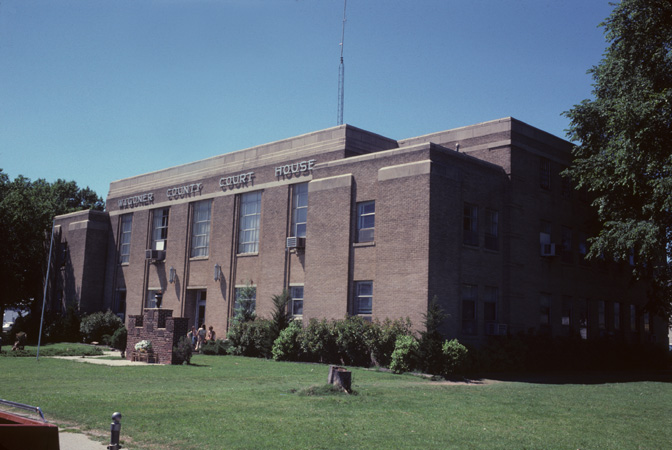


Geography and communities
The county occupies part of northeastern Oklahoma and features a mixture of farmland, wooded hills and waterways. Several reservoirs and rivers used for recreation and water supply lie in or near the county, contributing to outdoor activities such as boating and fishing. Transportation links and highways connect communities here with the Tulsa metropolitan area.
- Wagoner (county seat)
- Coweta
- Porter
- Okay
- Portions of larger suburbs, including parts of Broken Arrow
History and development
The area that became Wagoner County was part of the lands associated with Native American nations prior to statehood. The county was organized when Oklahoma became a state in 1907. Over the 20th and early 21st centuries the county’s economy shifted from predominantly agriculture to a more mixed economy, with manufacturing, services and bedroom communities for nearby urban centers.
Economy, recreation and governance
Local economic activity includes agriculture, light industry, retail and service sectors tied to nearby cities. Recreational opportunities are notable for anglers and boaters because of local lakes and rivers. The county is administered by elected county officials; the courthouse and administrative offices are located in Wagoner.
Notable facts and distinctions
Wagoner County is often characterized by the balance between small-town communities and growing suburban influence from Tulsa. Its combination of natural amenities and proximity to larger employment centers makes it a transitional area within northeastern Oklahoma.
Related articles
Author
AlegsaOnline.com Wagoner County, Oklahoma Leandro Alegsa
URL: https://en.alegsaonline.com/art/106126
Sources
- okhistory.org : "Wagoner County - Encyclopedia of Oklahoma History & Culture"