
Waikiki — neighborhood and beachfront district of Honolulu
Waikīkī is a coastal neighborhood on the south shore of Oʻahu known for its famous beach, surf history, resort hotels, and cultural heritage tied to former wetlands and Hawaiian traditions.
Overview
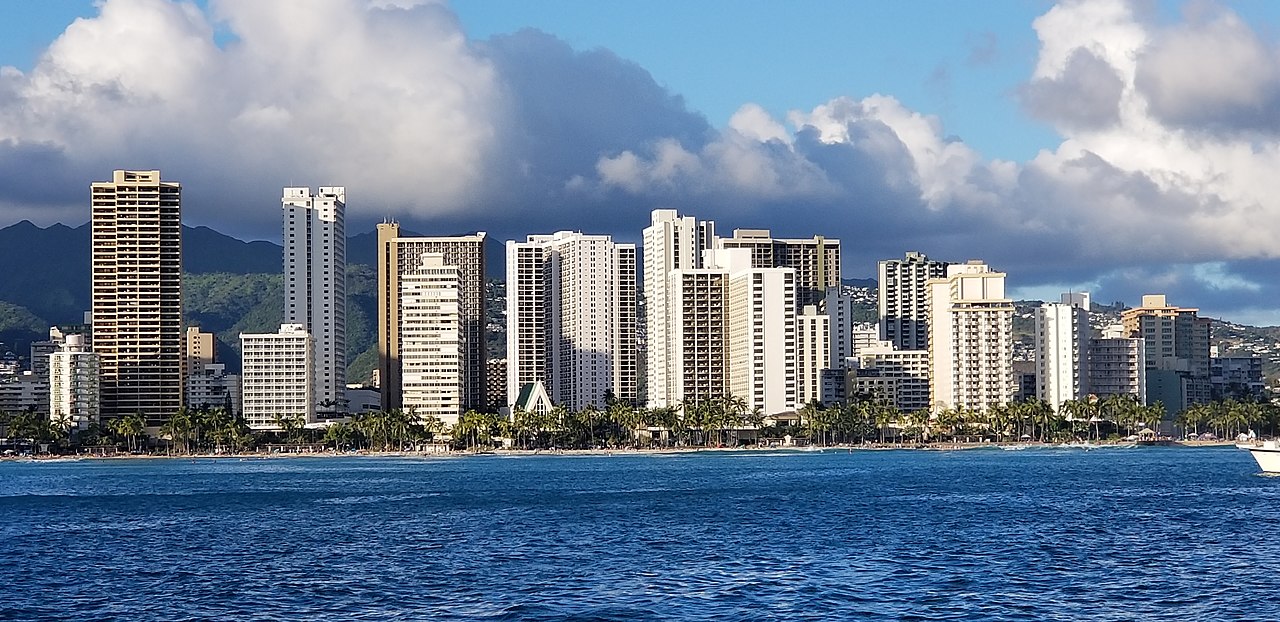
Waikīkī is a neighborhood and resort district on the south shore of Oʻahu, within the City and County of Honolulu in the U.S. state of Hawaiʻi. It fronts a well-known stretch of sand commonly called Waikīkī Beach and lies at the foot of the volcanic tuff cone Diamond Head. The area is a dense urban shoreline where hotels, shops, restaurants, cultural sites and public promenades meet coastal recreation, making it one of the most visited parts of the Hawaiian Islands.
Image gallery
10 Images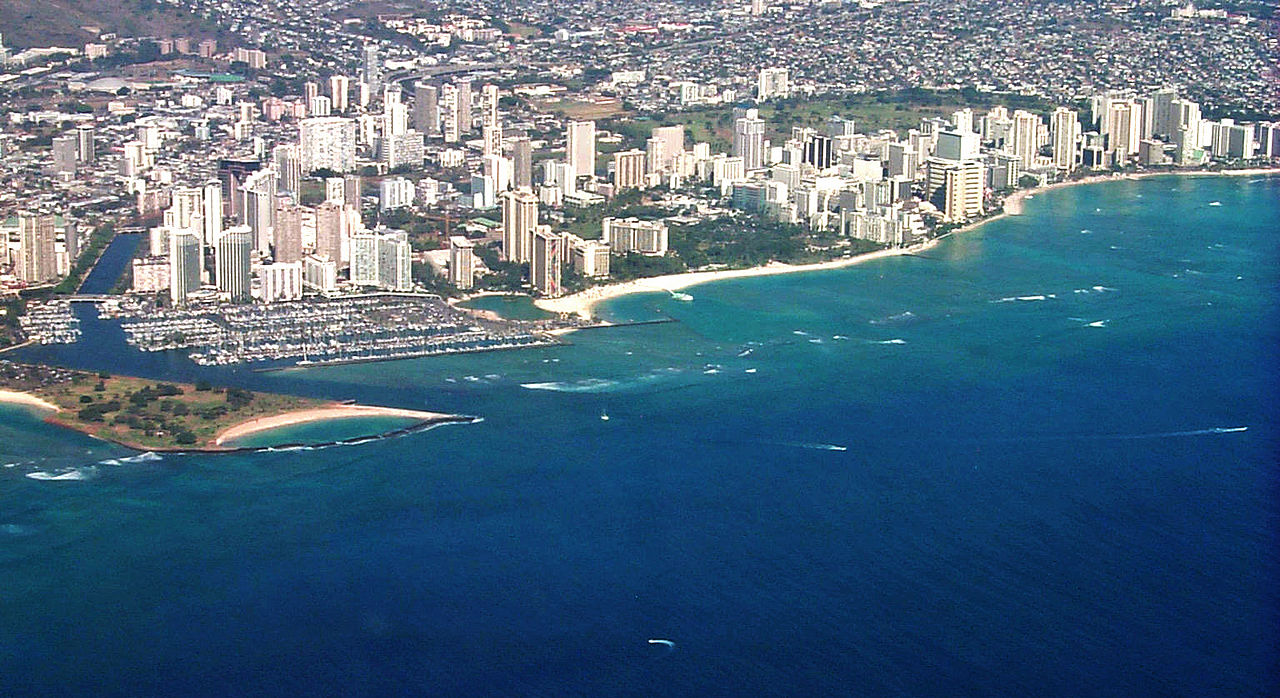



Name and natural setting
The place name Waikīkī comes from the Hawaiian language and is usually translated as "spouting fresh water," a reference to springs, streams and marshes that once characterized the coastal plain. These water sources fed loʻi (taro cultivation patches) and loko iʻa (traditional fishponds) that supported local subsistence and cultural practices. Urban development altered much of the original wetland, but the Hawaiian place name and some coastal features recall the area’s earlier ecology and resource use. For background on Hawaiian names and language geography see resources on Hawaiian place names.
History and cultural significance
Before large-scale development, Waikīkī supported agriculture and aquaculture tied to Hawaiian chiefly estates and community life. In the late 19th and early 20th centuries the coastal plain began to attract visitors and residents beyond the islands, and the growth of hotels and transportation infrastructure accelerated Waikīkī’s transformation into a resort district. Waikīkī also played a central role in the global popularization of modern surfing; local watermen and athletes helped introduce the sport to wider audiences while maintaining Hawaiian cultural connections.
Attractions and activities
- Beaches and water sports: Gentle reef breaks, swimming, stand-up paddling and outrigger canoeing are commonly available along the shoreline.
- Surf history: Waikīkī is associated with early surfers and demonstrations that helped spread surfing internationally.
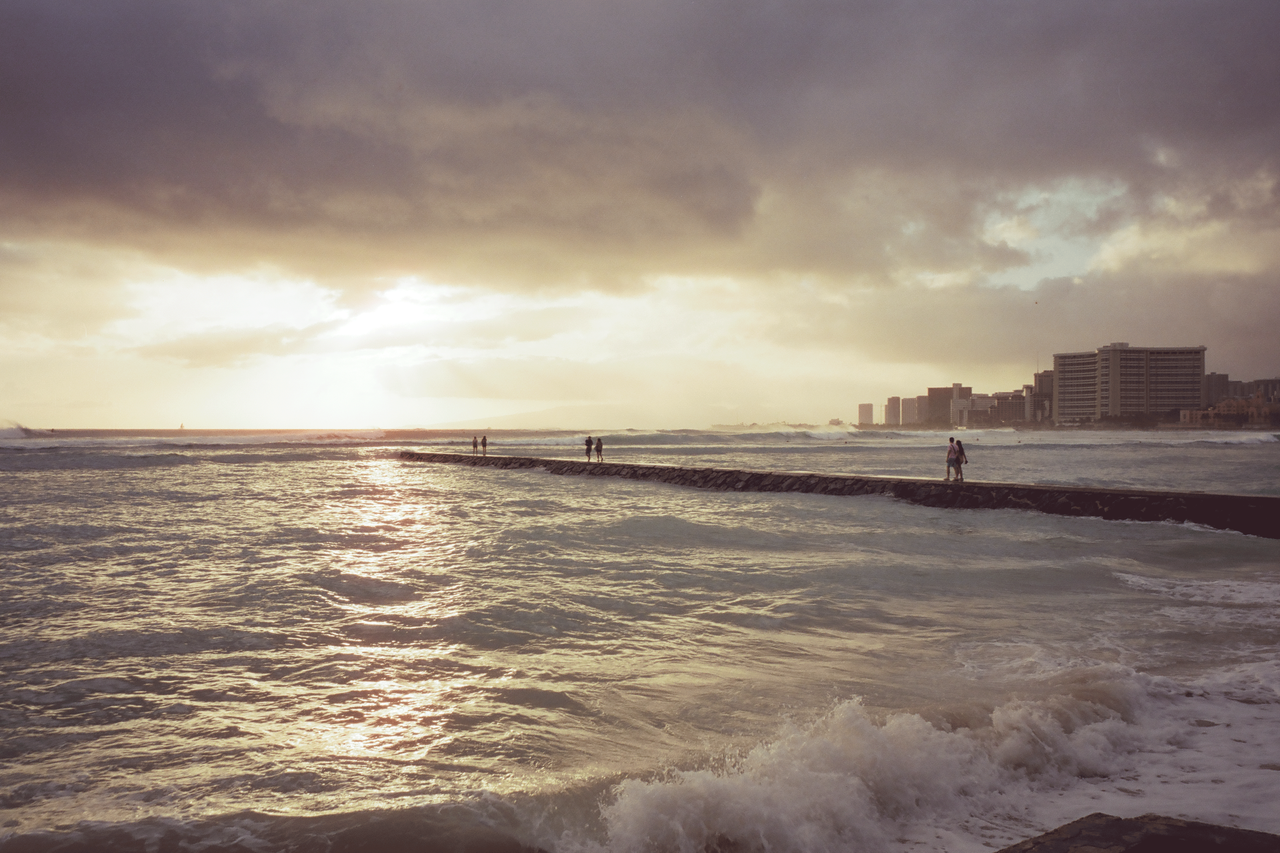
- Landmarks and recreation: Diamond Head, beachfront promenades, and public facilities provide sightseeing, walking, and sunset views.
- Cultural programs: Hula performances, lei-making, and interpretive exhibits introduce visitors to Hawaiian traditions and history.
Conservation, challenges and planning
Like many coastal resort areas, Waikīkī faces challenges such as shoreline erosion, the need for beach nourishment, visitor density and the pressures of development. Local authorities, community groups and cultural practitioners have worked on plans to balance tourism with the needs of residents, preserve public access, and acknowledge historical water systems and wetlands. Environmental planning often addresses coastal resilience, public recreation, and efforts to interpret and restore aspects of the historic landscape; readers can consult community and environmental sources on the former wetlands and streams for further context (wetland sources).
Visiting and practical notes
Waikīkī functions as both a neighborhood and a major visitor destination, offering accommodations, dining, museums and recreational services. Visitors are encouraged to respect cultural practices, observe posted safety guidance for ocean conditions, and use official visitor information to learn about events, transportation and ongoing conservation initiatives. For cultural and linguistic context, useful starting points include materials on the Hawaiian language and place names here as well as regional geographic information on Oʻahu and the state of Hawaiʻi.
Related articles
Author
AlegsaOnline.com Waikiki — neighborhood and beachfront district of Honolulu Leandro Alegsa
URL: https://en.alegsaonline.com/art/106144
Sources
- ulukau.org : "lookup of waikiki"