
Waldemar Otto — German sculptor renowned for figurative torsos
Polish‑born German sculptor (1929–2020) noted for expressive human torsos, professor at Hochschule für Künste Bremen and long resident of the Worpswede artists' community.
Waldemar Otto (30 March 1929 – 8 May 2020) was a Polish‑born German sculptor best known for his expressive, often fragmentary representations of the human body. Active from the early 1960s, his work emphasizes the torso as a carrier of form and emotion rather than a strictly anatomical study. He lived for many years in the artists' community of Worpswede, where he maintained a studio and exhibited regularly.
Image gallery
2 Images
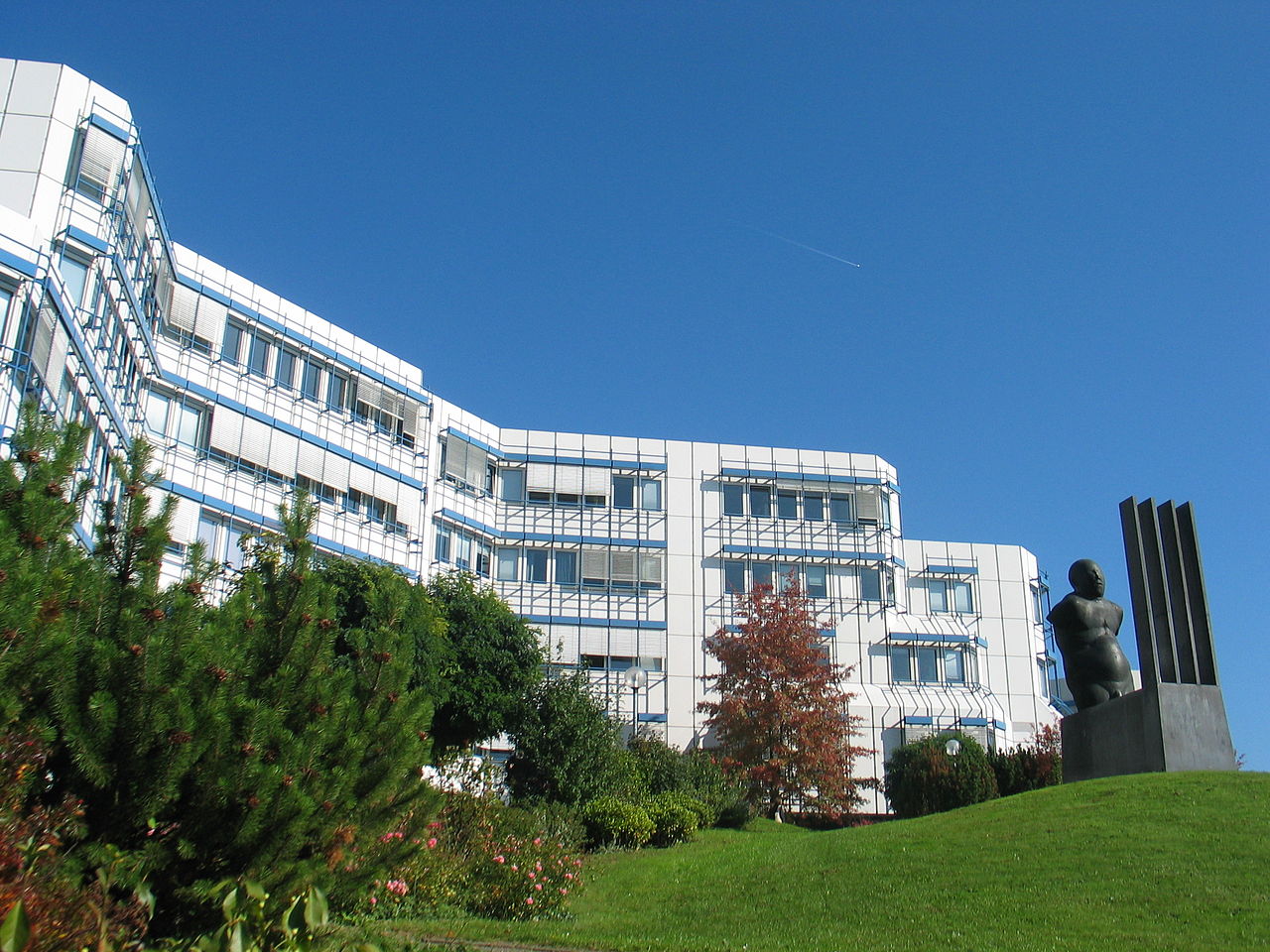
Style and materials
Otto's sculptures are typically figurative and deliberately restrained, isolating the torso or partial figures to explore volume, posture and surface. He worked in traditional sculptural materials — bronze, stone and terracotta — and used patination and textural finishing to create contrasts between smooth planes and rough, worked surfaces. Critics often note a classical sensibility in his forms combined with a modern, pared‑down aesthetic.
Career and teaching
Otto began his professional career in 1961 and developed a reputation for his concentrated focus on the human figure. In 1973 he was appointed professor at the Hochschule für Künste in Bremen, where he influenced a generation of sculptors through teaching and public lectures. His role as educator complemented his studio practice and reinforced his standing in postwar German sculpture. For further institutional context see Hochschule für Künste Bremen.
Notable works
- Weibliche torso
- Gedrehter torso
- Kleiner Männlicher Torso
- Sockel Torso
- Torso vor Raster
- Figur vor Gewand
These pieces illustrate Otto's recurring interest in isolated body parts and the expressive possibilities of fragmentary figuration. Many of his torsos are presented on simple bases or plinths that emphasize form and scale.
Reception and legacy
Otto exhibited in Germany and abroad and received commissions for public works and collections. His emphasis on the torso as an independent sculptural subject helped shape discussions about figuration and monumentality in late 20th‑century sculpture. Researchers and viewers interested in sculptural approaches to the human figure will find his work a clear example of combining classical references with modern reductionism; see a general overview at biographical resources and thematic material on torsos at thematic references.
Waldemar Otto died in Worpswede on 8 May 2020 after a long illness at the age of 91. His studio and many of his works remain points of interest for students of sculpture, and his pieces continue to enter public and private collections.
Related articles
Author
AlegsaOnline.com Waldemar Otto — German sculptor renowned for figurative torsos Leandro Alegsa
URL: https://en.alegsaonline.com/art/106200