
Voter registration: how people are listed and authorised to vote
Voter registration is the process by which eligible citizens or residents are recorded on an official list so they can vote. Systems vary by country, with different rules, methods, and legal effects.
Overview
Voter registration is the administrative process used in many democracies to record individuals who are eligible to take part in elections. Where it is required, registration links a person’s identity and residence to an electoral roll or registry so authorities can confirm entitlement to vote and organise polling resources. Some jurisdictions operate automatic or population-based systems, while others require people to enrol proactively.
Image gallery
3 Images
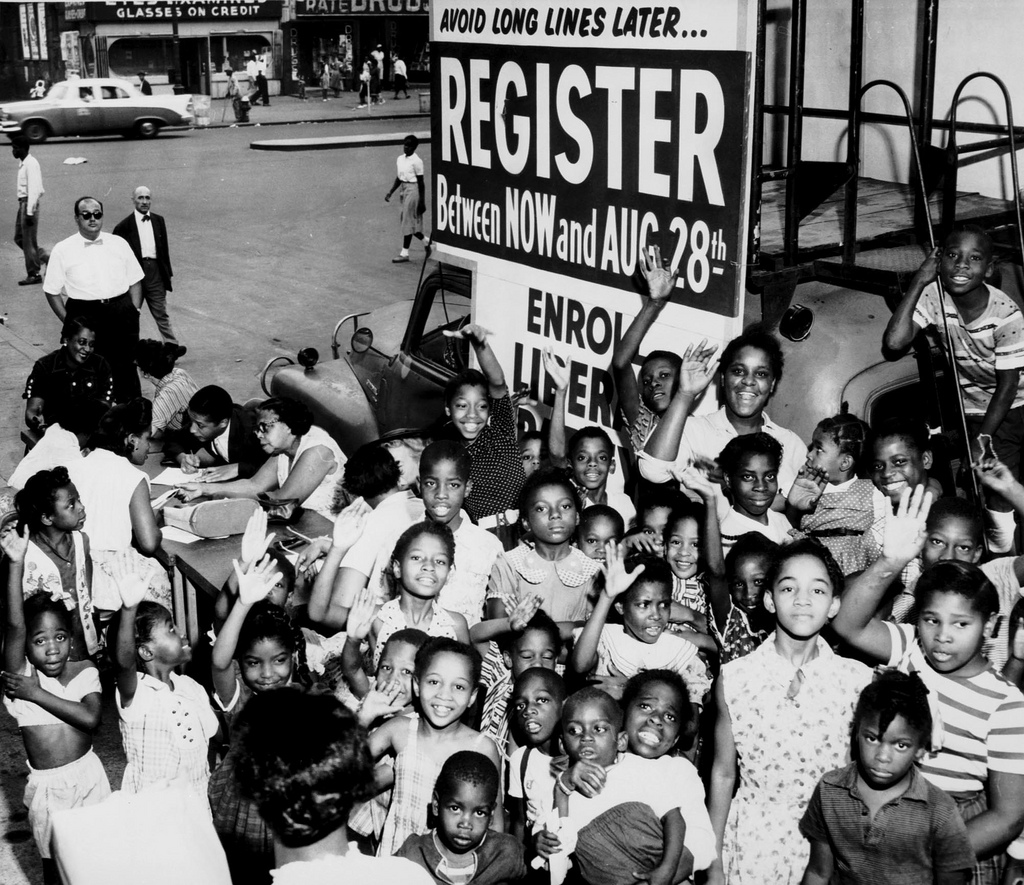

Typical components and procedures
Registration systems generally include basic steps: verifying identity and eligibility, recording a name and address, and keeping the register up to date. Common methods include:
- online or web-based enrolment;
- paper forms submitted by mail or in person;
- registration at government offices (for example at a tax or social services agency);
- same-day or election-day registration in some places.
Requirements vary widely: proof of age, residency, citizenship or legal status, and sometimes a national identification number. Electoral authorities are usually responsible for maintaining the list, removing duplicates and deceased persons, and publishing updated rolls.
History and development
Systems of registration evolved as states sought reliable ways to manage growing electorates and prevent fraud. Over time, many countries have modernised registers, introduced digital tools, and adopted different policies to expand access, such as automatic registration or easier online procedures. Changes often respond to legal rulings, technological advances, and public policy debates about turnout and fairness.
Examples and importance
As an example of compulsory enrolment, Australia requires adults to register with a central electoral commission; such authorities also remove deceased voters and maintain the roll. Practical impacts of registration include determining who may vote, shaping turnout, and assisting election planning. For comparative material see international overviews and guides on how to register to vote.
Variations, issues and notable facts
Systems differ on whether registration is mandatory, continuous, or periodic; some places require re-registration after moving or after a set period. Debates often focus on access (making registration easy), integrity (preventing duplicates and fraud), and privacy. Practical challenges include ensuring coverage of transient populations, migrant residents, and young first-time voters. For policy comparisons and further resources see policy analyses and official electoral body information such as national commissions at official sites.
Related articles
Author
AlegsaOnline.com Voter registration: how people are listed and authorised to vote Leandro Alegsa
URL: https://en.alegsaonline.com/art/105942
Sources
- aec.gov.au : "Knock knock! It's the AEC"