
Benozzo Gozzoli
Italian Early Renaissance painter (c.1421–1497) known for richly colored, narrative fresco cycles—most famously the Procession of the Magi in the Medici chapel—and for lively crowd scenes and landscapes.
Overview
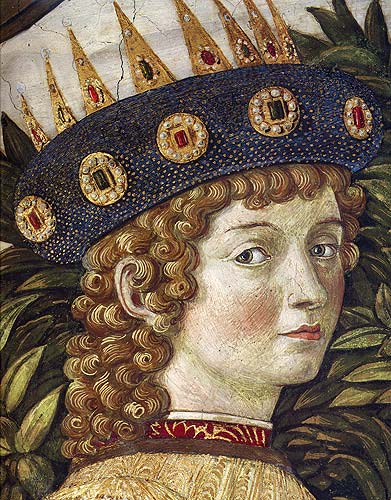
Benozzo Gozzoli (c. 1421–1497) was an Italian Early Renaissance painter noted for his decorative skill and narrative imagination. Trained in the Florentine environment and for a time associated with Fra Angelico's circle, he became especially admired for fresco work that combined bright color, careful detail and a fondness for processional scenes populated by identifiable portraits of contemporaries.
Image gallery
10 Images




Style and technique
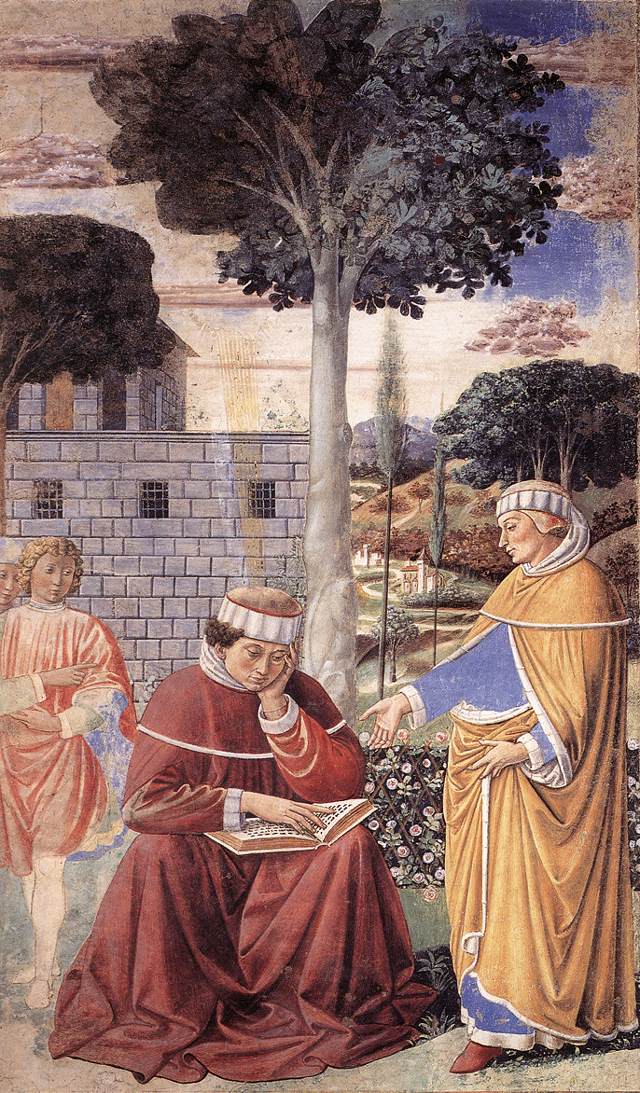
Gozzoli's art is characterised by a lyrical approach to landscape, ornate costume detail and a clear interest in storytelling. He favoured fresco and tempera for public and devotional cycles, using layered pigments and delicate drawing to achieve luminous surfaces. His compositions often balance a crowd of figures with expansive, miniature-like landscapes, producing a theatrical but readable sequence of events.
Major works and commissions
Gozzoli's best-known commission is the small chapel he decorated in Florence with a celebrated sequence known as the Procession of the Magi. This continuous fresco parade, painted for a Medici chapel, blends religious narrative with contemporary portraiture and civic pageantry. Beyond that central work he executed multiple church and civic fresco cycles and altarpieces across Tuscany and central Italy, responding to both private and public patrons.
Characteristics and examples
- Vivid, jewel-like color and patterned surface decoration.
- Narrative clarity: easily readable scenes with sequential events.
- Inclusion of contemporary figures and local costumes within sacred stories.
- Attention to landscape detail—rocky hills, trees and processional routes.
Historical context and legacy
Working in the mid-to-late 15th century, Gozzoli stood at the meeting point of International Gothic refinement and the emerging naturalism of the Renaissance. His decorative instinct and capacity to animate large groups influenced later narrative fresco cycles and contributed to the visual vocabulary of public and domestic sacred art. Today his Procession of the Magi remains a touchstone for studies of patronage, portraiture in devotional contexts and the visual culture of Renaissance Florence.
For further visual and curatorial information see sources on Renaissance fresco technique and studies of the Medici chapel decorations; introductory resources are available online such as general museum and academic overviews (Medici Chapel studies, fresco conservation).
Related articles
Author
AlegsaOnline.com Benozzo Gozzoli Leandro Alegsa
URL: https://en.alegsaonline.com/art/10585