
Volkswagen Golf Mk5 (fifth generation)
Fifth-generation Volkswagen Golf produced 2003–2009. Introduced a new platform, updated interior and safety features, and a wide range of body styles and engines including sporty GTI and R32 variants.
Overview
The Volkswagen Golf Mk5 is the fifth generation of Volkswagen's compact Golf line, launched as the successor to the Mk4 in 2003 and largely replaced by the Mk6 beginning in 2008. Produced during the mid-2000s, the Mk5 represented a substantial engineering update for the model range, bringing stronger construction, revised packaging and a new set of mechanical underpinnings.
Image gallery
10 Images



Design and engineering
The Mk5 was built on Volkswagen's PQ35 platform, which emphasized improved torsional rigidity, crumple-zone design and better ride control compared with the previous generation. Interior materials and ergonomics were upgraded: controls were more driver-focused, cabin noise was reduced, and safety systems such as stability control and multiple airbags became widespread across the range. Gearbox choices included manual and DSG dual-clutch transmissions, and an optional all-wheel-drive system was offered on selected models.
Models and common variants
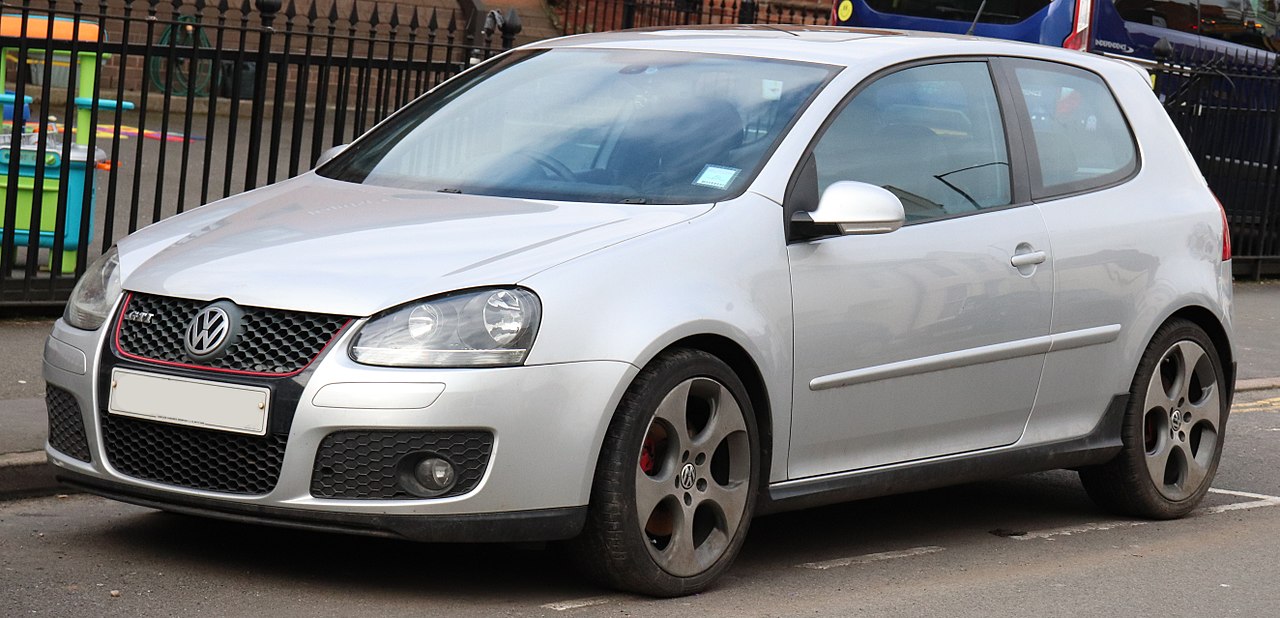
- Standard hatchback in 3-door and 5-door forms—core family and commuter model.
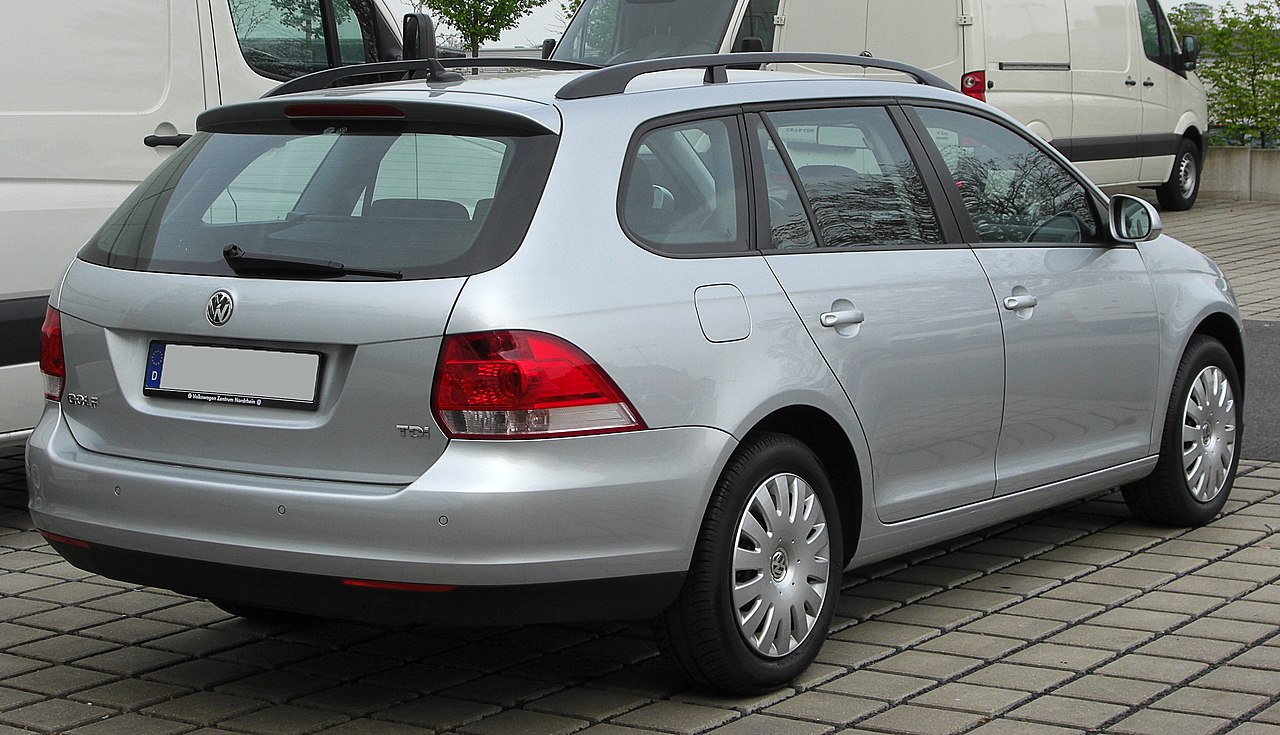
- Golf Variant (wagon) provided increased cargo volume and continued production alongside hatchbacks for several years.
- Golf Plus was a taller, more practical variant aimed at buyers wanting extra headroom and versatility.
- Performance versions: the sport-focused GTI and the more powerful R32 with a VR6 engine and all-wheel drive.
Engines and performance
The Mk5 offered a broad engine lineup covering naturally aspirated and forced-induction petrol units and a range of diesel TDI engines. Later in the generation Volkswagen introduced more advanced direct-injection turbocharged petrol engines, and high-output variants balanced everyday usability with sporting performance. The GTI retained a sport-tuned chassis and engines for enthusiasts, while the R32 occupied the top performance slot during the model cycle.
Production, platform sharing and legacy
Manufactured in multiple Volkswagen plants, the Mk5's PQ35 underpinnings were shared with several other group models, allowing economies of scale and parts commonality; for example the platform was used for the Touran compact MPV and the retractable-hardtop Eos. Some body styles such as the Variant and Golf Plus continued on factory lines until around 2009. The Mk5 is remembered for raising perceived quality and driving refinement for the Golf nameplate and for establishing technical features that carried into subsequent generations.
Notable facts and distinctions
While the Mk5 maintained the Golf's compact practicality, it marked a shift toward more sophisticated engineering and a clearer split between mainstream and performance trims. Its combinations of chassis upgrades, expanded model range, and platform-sharing made it an influential member of the Golf family during the 2000s.
Related articles
Author
AlegsaOnline.com Volkswagen Golf Mk5 (fifth generation) Leandro Alegsa
URL: https://en.alegsaonline.com/art/105853