
Bedřich Smetana: Czech composer and father of Czech national music
Bedřich Smetana (1824–1884) was a Czech Romantic composer whose operas and the symphonic cycle Má vlast helped define Czech musical nationalism and influenced later composers such as Dvořák and Janáček.
Bedřich Smetana (born March 2, 1824, in Litomyšl; died May 12, 1884, in Prague) was a leading Czech Romantic composer and a central figure in the development of a distinct Czech musical voice. He is widely regarded as one of the founders of Czech national music, standing alongside later figures such as Antonín Dvořák and Leoš Janáček. Smetana combined operatic drama, folk-like melodies, and programmatic orchestral writing to express Czech history, landscape and identity.
Image gallery
10 Images

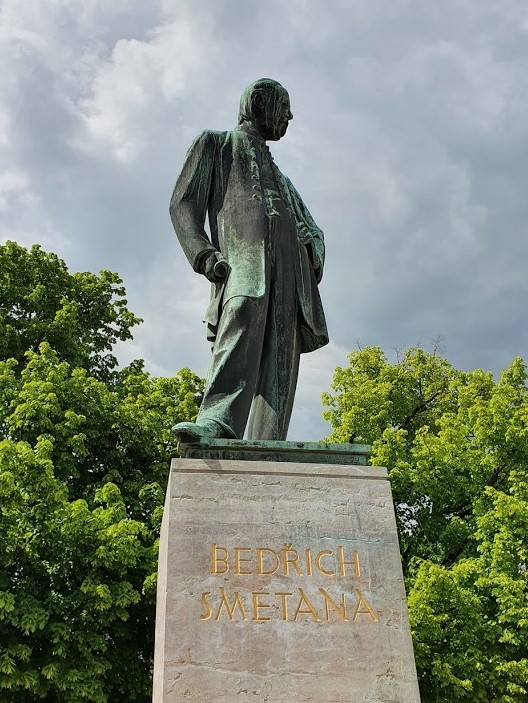


Life and career
Smetana grew up in Bohemia and trained as a musician and conductor. Early in his career he worked as a teacher, pianist and traveling musician before settling in Prague, where he became active as a conductor and educator. He wrote most of his important music in the second half of the 19th century. In later years Smetana suffered from a progressive illness that left him deaf; despite his health problems, he completed some of his most influential works before his death in Prague.
Musical style and characteristics
Smetana wrote in the Romantic idiom but with a strong national emphasis. He adapted Czech dance rhythms, modal inflections and folk-like tunes into formal genres such as opera and orchestral tone poems. His music often aims to tell a story or evoke a place: intimate national scenes, historical episodes and the flowing rivers and landscapes of his homeland recur as programmatic ideas in his output.
Major works and forms
Smetana composed eight operas and a number of orchestral pieces. His best known opera is the comic-nationalist The Bartered Bride (Prodaná nevěsta), a work that helped establish a Czech operatic tradition and remains part of the repertory. Other important stage works include Libuše, Dalibor and The Brandenburgers in Bohemia. He also wrote the orchestral cycle Má vlast ("My Country"), a set of six symphonic poems that celebrates Czech landscapes and legends and contains the famous tone poem often titled "The Moldau" (Vltava).
- Operas: The Bartered Bride; Dalibor; Libuše; The Two Widows; others.
- Chamber and piano works: early piano pieces and chamber pieces remain in the teaching and recital repertoire.
- Orchestral: the Má vlast cycle, overtures and other tone poems.
Legacy and importance
Smetana is remembered as a pioneering voice who brought Czech history, myth and musical gestures into classical forms. His works established models for national opera and program music in Bohemia and helped inspire subsequent Czech composers. Today his operas and the movements from Má vlast are regularly performed and recorded, and they continue to be central to Czech cultural identity.
For more context on places associated with his life see Litomyšl and Prague, and for further reading on his music and influence see general musical biographies and scholarship on 19th-century Czech music.
Questions and answers
Q: Who was Bedřich Smetana?
A: Bedřich Smetana was a Czech composer born in 1824 in Bohemia.
Q: What kind of composer was Bedřich Smetana?
A: Bedřich Smetana was a Romantic composer.
Q: Who are the three most famous composers who wrote Czech nationalist music?
A: The three most famous composers who wrote Czech nationalist music are Smetana, Dvořák and Leoš Janáček.
Q: What is typical of Smetana's music?
A: Smetana's music is typical of the Czech people.
Q: What were Smetana's eight operas about?
A: Smetana's eight operas are about nationalist stories.
Q: How many tone poems for orchestra did Smetana write and what are they called?
A: Smetana wrote six tone poems for orchestra called Ma Vlast which means “My Home Country”.
Q: When did Bedřich Smetana pass away?
A: Bedřich Smetana passed away on May 12, 1884 in Prague.
Related articles
Author
AlegsaOnline.com Bedřich Smetana: Czech composer and father of Czech national music Leandro Alegsa
URL: https://en.alegsaonline.com/art/10048