
Vittoria Colonna: Italian Renaissance poet and marchioness
Vittoria Colonna (1490–1547) was an Italian noblewoman and leading poet of the Renaissance, remembered for her Petrarchan sonnets, devotional verse, and influential friendships with artists and reform-minded intellectuals.
Overview
Vittoria Colonna (1490–1547) was an Italian noblewoman and poet who became one of the most admired literary figures of the Italian Renaissance. As the marchioness of Pescara she moved in aristocratic and intellectual circles, and she is best known for lyrical sonnets and religious poetry that explored grief, faith and moral reflection. For a concise biographical summary see Marchioness of Pescara.
Image gallery
5 Images



Life and background
Born into the Colonna family, Vittoria married Fernando d'Ávalos, the Spanish-born commander of the Neapolitan forces, and her status and experience of widowhood shaped much of her later work. After becoming a widow she devoted increasing attention to devotional matters and literary pursuits, declining remarriage and cultivating a network of correspondents among humanists, clerics and artists. Her personal letters also offer important testimony about the cultural life of Rome and Naples in the early 16th century.
Literary work and style
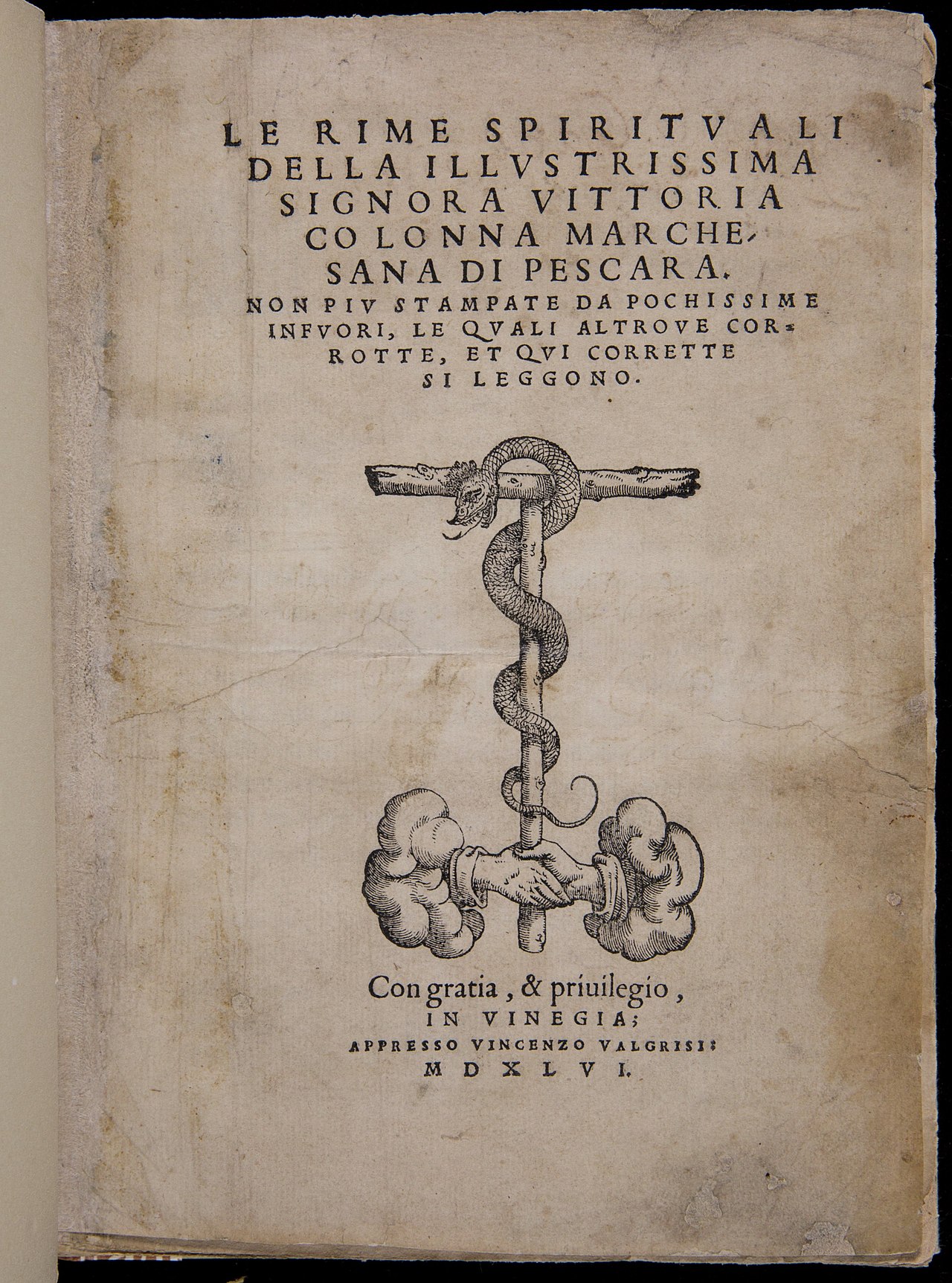
Colonna wrote in the Petrarchan sonnet tradition but redirected its emotional intensity toward religious meditation and consolation. Her output includes secular and devotional poems, often gathered in collections of "rime" and later assembled as devotional sequences sometimes titled Rime spirituali. Her style combines classical learning, intimate address, and moral concern, and her work circulated widely in manuscript and print. Selected editions and collections are discussed in modern summaries and critical editions: poetry collections and studies.
Relationships, correspondence and influence
Vittoria maintained a famous friendship and artistic exchange with Michelangelo, who admired her intellect and spirituality; their letters and mutual dedications illustrate a close creative bond. She also corresponded with other leading figures of her age and was associated with reform-minded Catholic circles that sought spiritual renewal without breaking with the Church. Her reputation as a virtuous poet made her a model for later women writers and helped legitimize female authorship in Renaissance Italy. See discussions of her relationships and artistic legacy at studies of her circle.
Notable facts and legacy
- She achieved contemporary fame uncommon for women of her rank, earning praise from poets and scholars across Italy.
- Her devotional sonnets influenced later devotional poetry and contributed to the formation of Catholic spiritual literature in the 16th century.
- Modern scholarship examines her role at the intersection of gender, religion and literature; for further reading consult critical bibliographies and studies at specialist resources.
Vittoria Colonna remains a central figure for those studying Renaissance literature, women's writing and the cultural networks that connected poets, artists and religious thinkers in early modern Italy.
Related articles
Author
AlegsaOnline.com Vittoria Colonna: Italian Renaissance poet and marchioness Leandro Alegsa
URL: https://en.alegsaonline.com/art/105677
Sources
- lib.uchicago.edu : Colonna, Victoria
- newadvent.org : Vitoria Colonna
- britannica.com : Vitoria Colonna, Italian poet