
Virgil Trucks (1917–2013)
American Major League Baseball starting pitcher best known for two no-hitters in 1952 and a long career primarily with the Detroit Tigers.
Virgil Oliver "Fire" Trucks was an American professional baseball pitcher who spent nearly two decades in Major League Baseball. Born in Birmingham, Alabama, in 1917, Trucks became known for his competitiveness and durability on the mound. His nickname, "Fire," reflected both his fastball and his intense presence in games. He is most often remembered for two no-hitters he threw in the same season and for a lengthy tenure with the Detroit Tigers.
Image gallery
2 Images
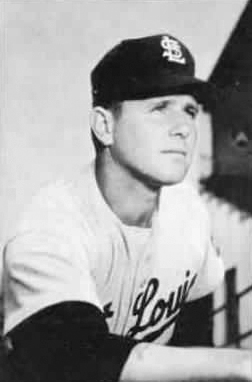
Early life and path to the majors
Trucks grew up in the industrial South and reached the professional ranks at a time when baseball was expanding its national profile. He broke into the major leagues in the early 1940s and emerged as a reliable starter. Like many players of his generation, his early career was interrupted by World War II, which briefly paused the development of several promising players.
Major League career and teams
Over a career that extended from the early 1940s into the late 1950s, Trucks pitched for several clubs. The bulk of his seasons were spent with the Detroit Tigers, but he also wore the uniforms of the Chicago White Sox, the New York Yankees, the St. Louis Browns and the Kansas City Athletics. He was valued as a starter who could work deep into games and contribute to a rotation across multiple seasons.
Notable achievements
- Threw two no-hitters in a single season, a rare and noteworthy feat.
- Recognized for his resilience and for frequently starting important games for his teams.
- Remembered as a classic mid‑20th century workhorse pitcher whose career bridged the wartime and postwar eras.
Those two no-hitters stand as Trucks's signature accomplishment and are regularly cited when his career is discussed. Beyond single-game highlights, he was respected for season-to-season consistency and for mentoring younger pitchers later in his career.
Playing style, reputation, and legacy
Trucks combined a lively fastball with competitive instincts. Contemporary accounts and later retrospectives often stress his mental toughness, ability to pitch on short rest when needed, and willingness to pitch to contact as well as for strikeouts. His longevity in the majors made him a familiar figure to fans of the era, and he remains part of baseball history for his rare pair of no-hit performances and his service to several notable franchises.
Later life and death
After retiring from active play, Trucks maintained ties to the game and to communities where he had played. He lived his later years in Alabama and was married to Elizabeth Ann Newman. Trucks died of natural causes at age 95 in Calera, Alabama, in 2013. His life and career are recalled by fans and historians as representative of a generation of players who bridged baseball's wartime and modern eras.
For further reading on mid‑century pitchers and the teams for which Trucks played, consult archival material on the history of the Detroit Tigers, the records of the Chicago White Sox, and broader retrospectives of Major League Baseball. Additional local histories document his roots in Birmingham and his later years in Alabama.
Related articles
Author
AlegsaOnline.com Virgil Trucks (1917–2013) Leandro Alegsa
URL: https://en.alegsaonline.com/art/105512
Sources
- article.wn.com : "Virgil Trucks_ 95_ threw two no-hitters in the major leagues"