
Virginia Woolf: Life, Work, and Influence
Concise encyclopedia entry on Virginia Woolf (1882–1941): biography, major works, stylistic innovations, feminist essays, and her influence on modernist literature and later criticism.
Virginia Woolf (Adeline Virginia Stephen; 25 January 1882 – 28 March 1941) was an English writer, essayist and a central figure in early 20th‑century modernist literature. A member of the Bloomsbury Group, she is widely known for experimental narrative techniques, sustained interest in consciousness and perception, and influential feminist essays that examined women’s place in culture and literature.
Image gallery
10 Images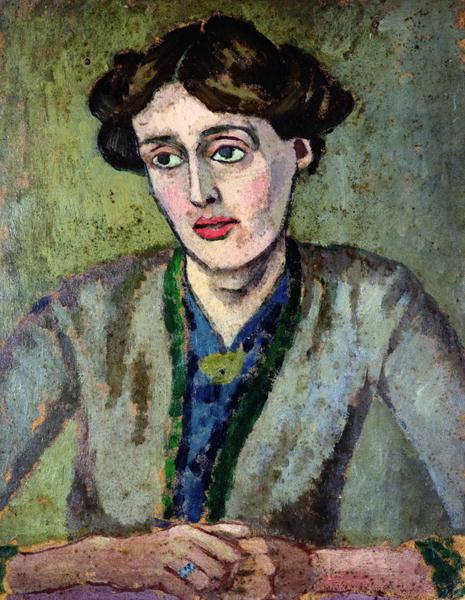


Life and background
Born into an intellectually prominent London family, Woolf grew up surrounded by writers, critics and artists. She and her husband, Leonard Woolf, founded the Hogarth Press, which published both her work and that of other important writers. Woolf’s periods of recurrent mental illness affected her life and writing; she died in 1941. For further biographical material and archival guides see biographical sources.
Style and themes
Woolf’s prose is notable for its fluid, associative narration often associated with what readers and critics call stream of consciousness. She emphasized interior experience over external action, experimented with shifting points of view, and used time and memory as structuring principles. Recurrent themes include gender and social constraint, the nature of art and creativity, the domestic and public spheres, and the inner lives of women.
Major works
- Mrs Dalloway (1925) — a novel set within a single day in London exploring individual consciousness and social interconnections.
- To the Lighthouse (1927) — a meditation on family, memory and the passage of time, notable for its structural innovations.
- Orlando (1928) — a genre‑bending narrative that playfully examines gender, identity and biography.
- A Room of One’s Own (1929) — an extended essay arguing for women’s material and intellectual independence as a precondition for literary production.
Reception and legacy
Woolf reshaped narrative possibilities for the novel and became a touchstone for feminist literary criticism and modernist studies. Her work has been widely studied across disciplines; critics have explored her formal experiments, political commitments and representations of subjectivity. The Hogarth Press, her essays and her letters have contributed to enduring scholarly interest and public recognition. Woolf’s influence continues in contemporary fiction, feminist theory and debates about literary form, and her writings remain central in surveys of twentieth‑century literature.
Related articles
Author
AlegsaOnline.com Virginia Woolf: Life, Work, and Influence Leandro Alegsa
URL: https://en.alegsaonline.com/art/105549
Sources
- books.google.com : Virginia Woolf and the "Lust of Creation": A Psychoanalytic Exploration