
Benito Pérez Galdós: Spanish realist novelist and chronicler of 19th-century Spain
Biography and overview of Benito Pérez Galdós (1843–1920), his major works, literary style, historical context, and lasting influence on Spanish literature.
Overview
Benito Pérez Galdós (May 10, 1843 – January 4, 1920) is widely regarded as the leading Spanish realist novelist of the late 19th century. A native of Las Palmas de Gran Canaria in the Canary Islands, he relocated to Madrid as a young man and spent most of his productive life there. Within Spain he achieved enormous popular and critical recognition, and critics have often placed him second only to Cervantes in terms of national literary stature. He is primarily associated with the realist movement and with a panoramic depiction of contemporary Spanish society.
Image gallery
4 Images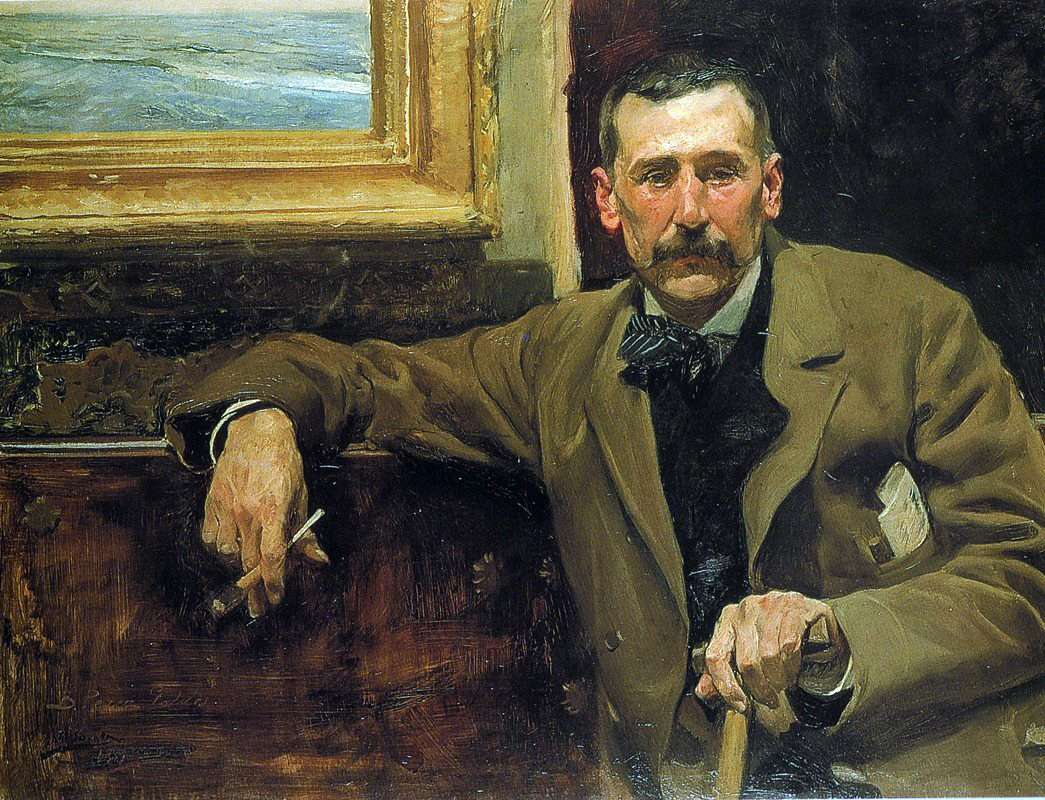

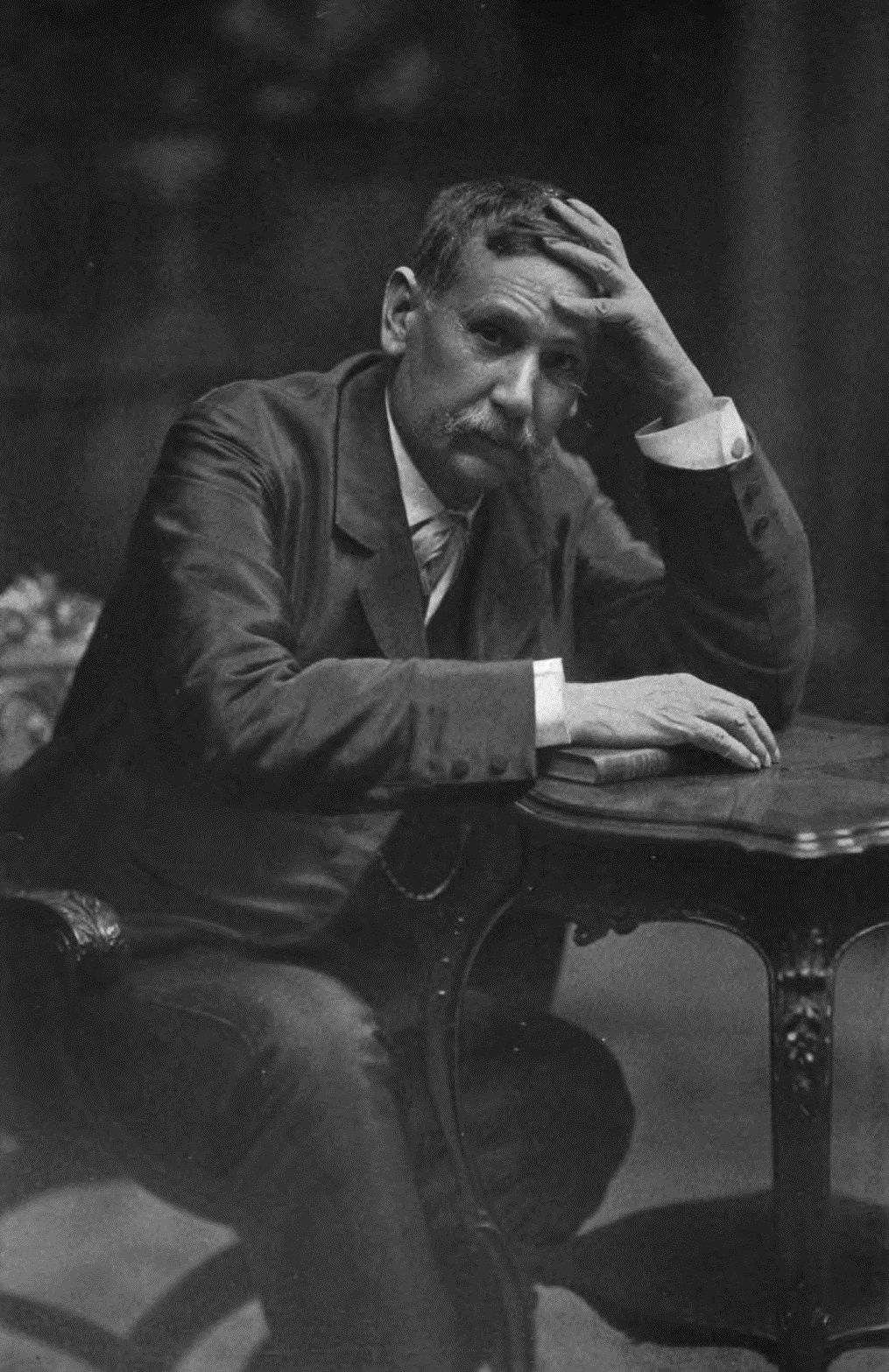

Life and career
Pérez Galdós trained briefly in law and philosophy before committing himself to letters. Early in his career he produced historical chronicles, short fiction and literary criticism, but he is best known for two extended projects that defined his reputation: the Episodios nacionales, a massive sequence of historical novels, and the Novelas españolas contemporáneas (contemporary Spanish novels), which examine social life, family ties and moral dilemmas in urban Spain. Active in intellectual circles, he engaged with political and social topics of his time and experimented with the stage and journalism as well as the novel.
Major works and themes
- Episodios nacionales — a multi-volume series that dramatizes key events in 19th-century Spanish history and blends fictional protagonists with historical figures.
- Novelas españolas contemporáneas — a group of realist novels addressing marriage, class mobility, provincial life and urban change; prominent titles include Fortunata y Jacinta, Doña Perfecta and Misericordia.
- Plays and essays — though less famous than his fiction, his dramatic works and critical writings contributed to public debate and literary culture.
Style, concerns and influence
Pérez Galdós is noted for close psychological observation, moral ambiguity, detailed social description and a narrative voice that can be at once ironic and compassionate. His city scenes and portraits of ordinary people give a broad view of Spain's social transformations during the Restoration and earlier upheavals. Critics have compared his breadth of social portraiture to that of Balzac and Dickens, while his national importance invites comparisons to earlier Spanish masters. His work influenced later Spanish novelists and remains a central reference for studies of 19th-century Spanish culture.
Legacy and later years
In his later life Pérez Galdós suffered health difficulties and public appeals were mounted in his support, reflecting the esteem in which he was held. He continued to write until his capacities declined. Today his novels are still read for their narrative power, historical insight and humane portrayals. Scholarly editions, translations and stage and film adaptations have kept key titles in circulation. For readers seeking primary texts and modern commentary, consult collected editions and critical studies that place his novels within both Spanish realism and European literary history.
For basic dates and further biographical notes see contemporary reference entries and bibliographies: biographical outline, archival summaries and library catalogues often provide accessible starting points: birth, year, death, year. Regional and municipal resources in the Canary Islands also document his origins in Las Palmas and his connections to the Canary Islands cultural heritage. Further reading and translations can be located through national libraries and university collections: Madrid archives.
Tags
Related articles
Author
AlegsaOnline.com Benito Pérez Galdós: Spanish realist novelist and chronicler of 19th-century Spain Leandro Alegsa
URL: https://en.alegsaonline.com/art/10538