
Venasque — hilltop commune in Vaucluse, Provence-Alpes-Côte d'Azur
Venasque is a small medieval hilltop commune in Vaucluse, Provence-Alpes-Côte d'Azur, in southern France, noted for its stone streets, old ramparts, panoramic views and regional Provençal character.
Overview
Venasque is a small commune in the Vaucluse department of southeastern France. Set within the region of Provence-Alpes-Côte d'Azur, it occupies a prominent hilltop site that gives the village a compact, historic appearance and broad views across the Provençal landscape to the south of France.
Image gallery
2 Images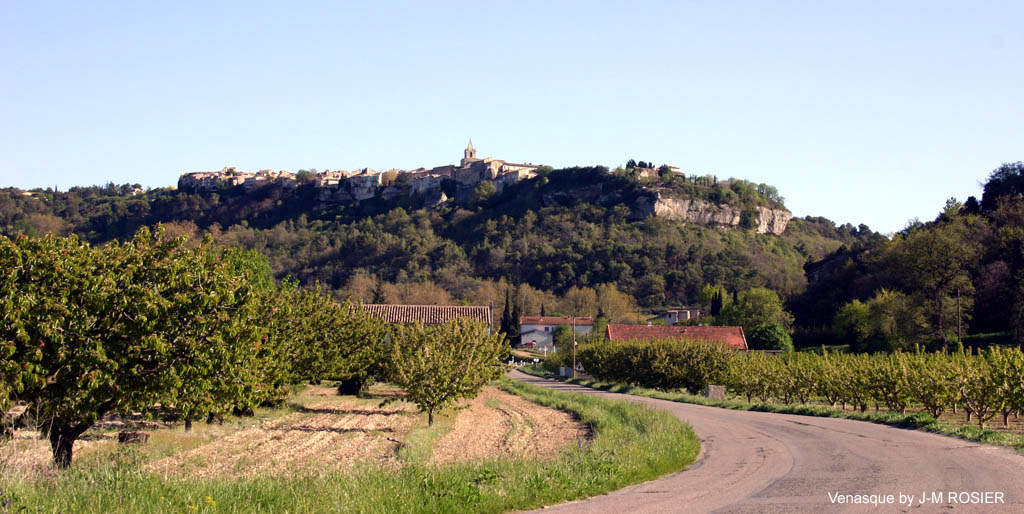

Geography and setting
The village stands on a rocky spur amid rolling farmland, vineyards and scrub typical of Vaucluse. From higher streets visitors can often see the plain below and, on clear days, distant features such as Mont Ventoux or the Luberon massifs. Its narrow lanes and clustered stone houses follow the contours of the hill, conserving a traditional rural layout.
Historic character and architecture
Venasque retains a visibly medieval fabric: fragments of defensive walls, an ancient gateway, a village church and tightly packed stone buildings. The overall impression is of a fortified settlement that developed in the Middle Ages and preserved many of its original streets and façades. Architectural details and surviving masonry reflect vernacular Provençal styles and long-standing local craftsmanship.
Culture, economy and tourism
Local life mixes agriculture — vineyards, olives, and other Mediterranean crops — with services catering to visitors. The village attracts people interested in historic Provençal settlements, quiet walks, and regional markets. Cultural events and markets in nearby towns amplify Venasque's role as a small but lively rural destination within Vaucluse.
Visiting and notable features
- Scenic viewpoints and narrow medieval lanes suitable for walking.
- Traditional stone architecture and traces of old fortifications.
- Close enough to larger centers to serve as a day-trip base for exploring Provence.
Practical information — opening hours of local sites, accommodations and events — can change seasonally; check local resources or the commune website before visiting. For administrative details and official notices see the commune page at Venasque commune or regional portals for Provence-Alpes-Côte d'Azur and Vaucluse. General regional context is available via administrative guides to the south of France at national and regional information services.
Related articles
Author
AlegsaOnline.com Venasque — hilltop commune in Vaucluse, Provence-Alpes-Côte d'Azur Leandro Alegsa
URL: https://en.alegsaonline.com/art/104521