
Velino — River of central Italy
The Velino is a central Italian river that drains the Rieti plain, feeds the famous Marmore Falls and is the main tributary of the Nera, ultimately joining the Tiber basin.
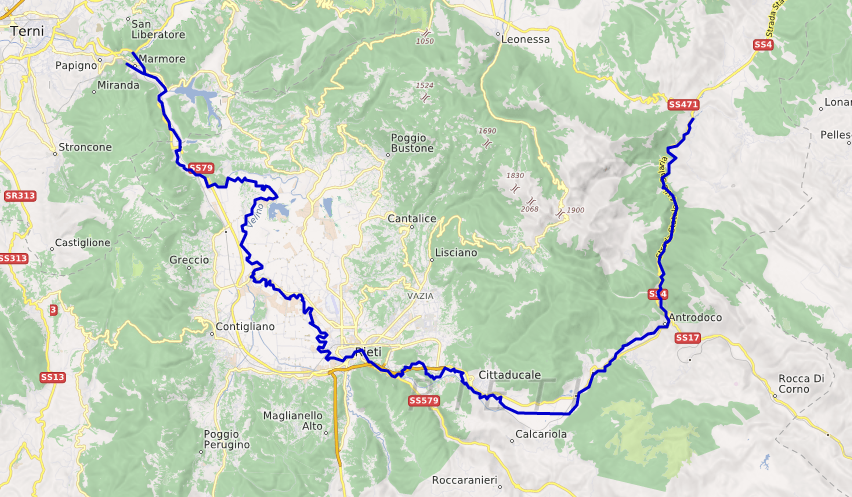
The Velino is a river whose springs rise in the mountains of central Italy; its general location can be seen at map coordinates. It flows mainly through the Lazio region and crosses parts of Umbria, running across the Rieti plain before joining the Nera. The Velino is best known for feeding the dramatic Cascata delle Marmore, a striking example of a river whose course has been shaped by both natural forces and human engineering.
Image gallery
7 Images


Course and characteristics
The Velino (river) begins in upland terrain and descends to the fertile basin historically called the Piana di Rieti. It traverses central Italy (central Italy), cutting through geological formations typical of the Apennine foothills. Although it passes through both the Lazio and Umbria regions, its main stretch lies within the regions administratively associated with Lazio. The Velino is the principal tributary of the Nera river and contributes to the Tiber's wider watershed (Tiber basin).
History and human influence
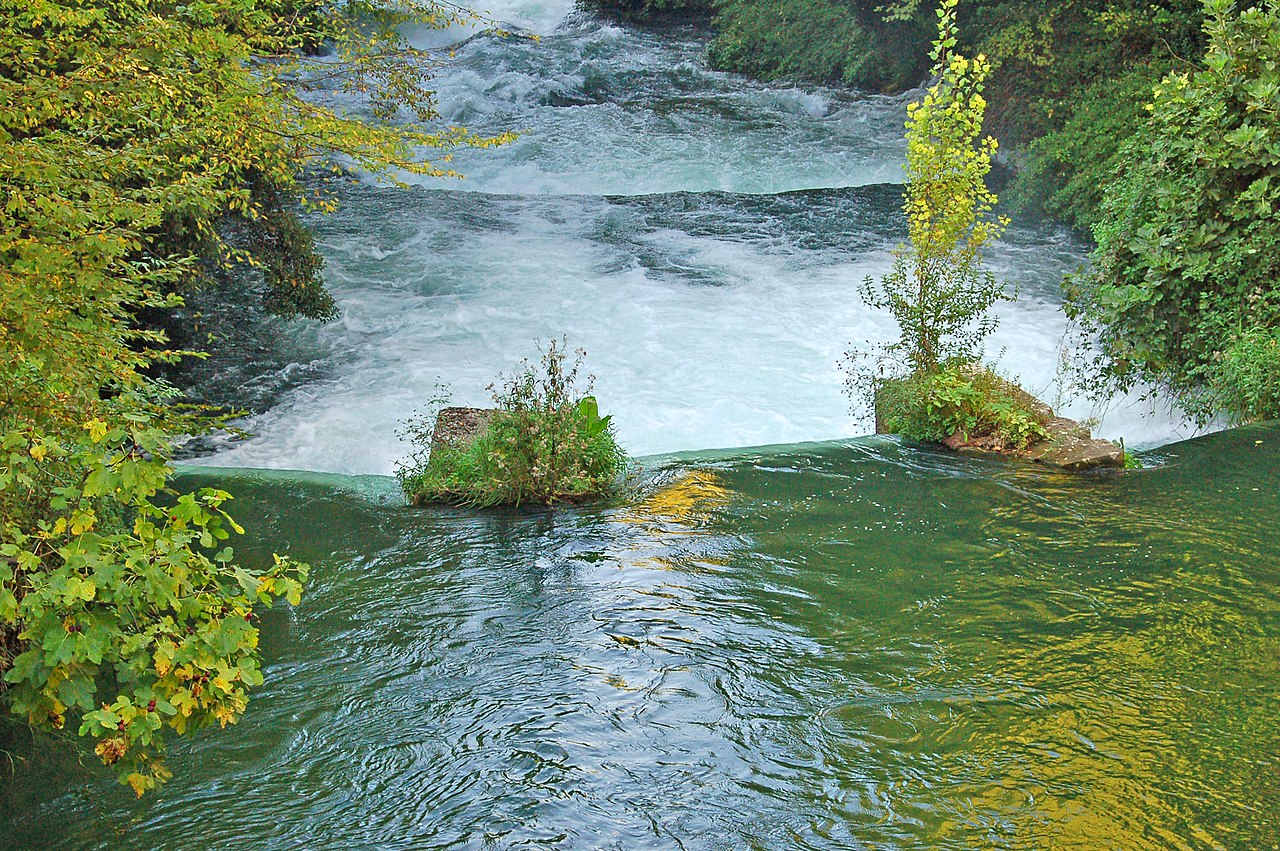
Human intervention has long altered the Velino's behavior. Ancient engineering works redirected parts of its flow to prevent seasonal flooding of the Rieti plain and to reclaim marshy land for agriculture. One of the most important modifications is the channel that produces the Cascata delle Marmore, a high, tiered waterfall created in antiquity and modified in later centuries. These interventions reflect a long history of water management in the valley and have had lasting effects on the local landscape and economy.
Uses and importance
The Velino's waters support irrigation for nearby farmland, supply small-scale hydropower installations, and sustain riparian habitats. The cascade at Marmore is a major tourist attraction drawing visitors to the area for scenic viewing, hiking and river sports; this in turn supports local services and cultural activities. River management balances agricultural needs, infrastructural uses and conservation of natural and historical features.
Ecology and notable facts
Riparian zones along the Velino host a variety of plant and animal species typical of central Italian waterways. Water quality and seasonal flow regimes influence fish populations and wetland habitats in the Rieti plain. Notable facts include the river's role as the main feeder of the Nera and its contribution to the larger Tiber system, plus the presence of one of Europe’s best-known man-made waterfalls.
For maps and technical references consult the geographic coordinates and regional resources on the Lazio and Umbria administrations; general summaries of the river and its status appear in guides for central Italy and in hydrological overviews of the regions. Further reading on tributary systems and basin connections can be found under entries for the tributary relationship to the Nera and the wider Tiber watershed.
Questions and answers
Q: What are the coordinates of the Velino river in central Italy?
A: The coordinates of the Velino river in central Italy are 42°33′13″N 12°42′49″E / 42.55361°N 12.71361°E / 42.55361; 12.71361.
Q: Which regions does the Velino river flow through?
A: The Velino river flows through the Lazio and Umbria regions.
Q: Which region does the Velino river mainly flow through?
A: The Velino river mainly flows through the Lazio region.
Q: What is the main tributary of the Velino river?
A: The main tributary of the Velino river is the Nera river.
Q: What is the Nera river?
A: The Nera river is a tributary of the Tiber river.
Q: How important is the Velino river in central Italy?
A: The text does not provide information on how important the Velino river is in central Italy.
Q: How long is the Velino river?
A: The text does not provide information on how long the Velino river is.
Related articles
Author
AlegsaOnline.com Velino — River of central Italy Leandro Alegsa
URL: https://en.alegsaonline.com/art/104487
Sources
- treccani.it : "Velino"
- provincia.rieti.it : "Sintesi degli Studi Relativi all'Istituzione del Parco del Vellino"