
Vanosc: a commune in Ardèche, France
Vanosc is a rural commune in the Ardèche department of southern France. It is known for its hilly landscape, traditional architecture, outdoor recreation and local agricultural heritage.
Overview
Vanosc is a small commune located in the Ardèche area of the French département system, situated in southern France. Like many villages in this part of the country, Vanosc combines rural livelihoods with a modest residential community and serves as a local center for surrounding hamlets and farms.
Image gallery
1 Image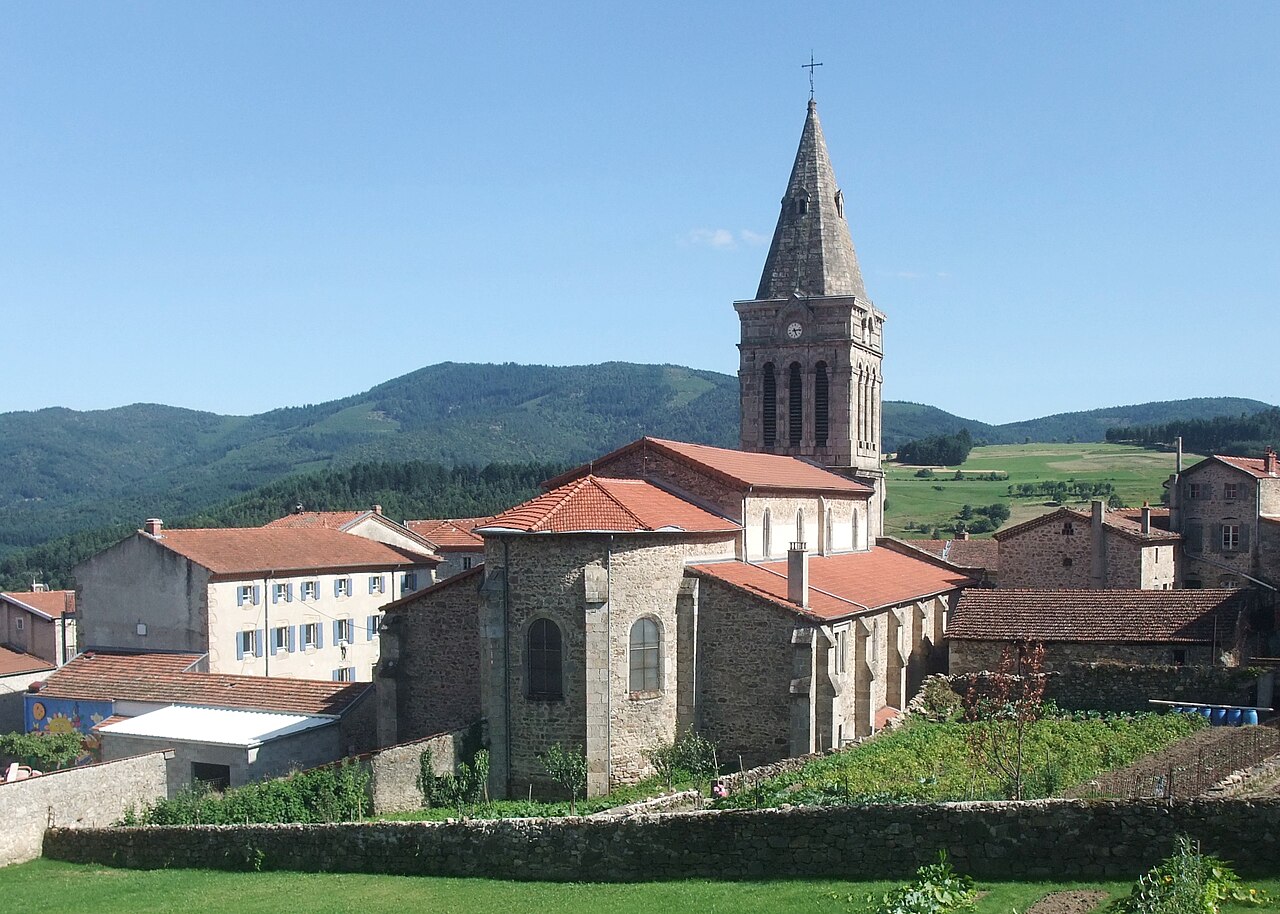
Geography and environment
The commune lies in a hilly, often wooded landscape characteristic of the northern Ardèche highlands. Its surroundings offer mixed farmland, pasture and patches of forest, with ridges and valleys that attract walkers and cyclists. The climate is temperate, with cooler conditions at higher elevation than the Mediterranean plain.
History and heritage
Vanosc has roots in the medieval settlement patterns of the Vivarais region. Over centuries the village developed around agricultural and artisanal activity; surviving elements of traditional stone architecture and community buildings reflect that long rural history. Local churches and communal structures often date back several centuries and form part of the village’s cultural identity.
Economy, culture and recreation
The local economy is based largely on agriculture, forestry and small businesses, supplemented by rural tourism. Visitors come for outdoor pursuits such as hiking and cycling, and for seasonal markets, village fêtes and regional food traditions. The area is associated with typical Ardèche products and a landscape valued for quiet recreation and natural scenery.
Administration and notable facts
As a French commune, Vanosc is administered by a mayor and municipal council and takes part in intercommunal cooperation with nearby communes for services and development. Notable aspects include its preserved village character, opportunities for walking and nature observation, and its role as an example of the small rural communities that shape the cultural and environmental fabric of the Ardèche region.
Key features
- Rural hillside setting with mixed farmland and woodland
- Traditional stone-built village character and historic buildings
- Local agricultural economy and village cultural events
- Access to outdoor recreation: hiking, cycling and nature appreciation
Related articles
Author
AlegsaOnline.com Vanosc: a commune in Ardèche, France Leandro Alegsa
URL: https://en.alegsaonline.com/art/104212